DbcultAccessing Vault...
Cult Review
Senior Film Conservator
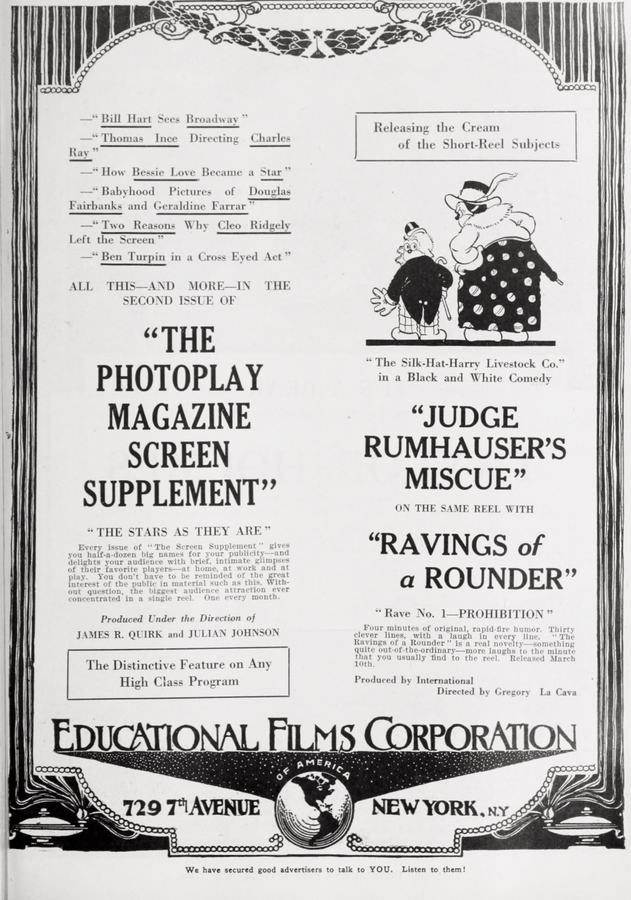
Stepping back into the annals of early cinema is always an illuminating experience, and few journeys prove as surprisingly rich as a revisit to Judge Rummy's Miscue. This film, a curious artifact from an era often romanticized yet rarely scrutinized with the depth it deserves, offers a fascinating glimpse into the nascent storytelling techniques of the silent screen. Directed by the prolific Gregory La Cava and penned by the sharp wit of Thomas A. 'Tad' Dorgan, it presents a narrative that, while ostensibly simple, delves into the intricate dance between perception and reality, the fallibility of authority, and the enduring power of conviction.
La Cava, even in these formative years, demonstrates an innate understanding of visual narrative, crafting scenes that, despite the absence of spoken dialogue, resonate with a palpable energy. His directorial hand, often celebrated for its later sophistication in talkies like 'My Man Godfrey,' shows early signs of its distinctive flair here. The pacing is deliberate, allowing moments of comedic misunderstanding to simmer and moments of dramatic tension to build with a quiet intensity. Dorgan's contribution, too, is undeniable. Known primarily for his cartooning, his foray into screenwriting for Judge Rummy's Miscue showcases a keen observational humor and a knack for character development that transcends the limitations of intertitles. The characters, even minor ones, feel remarkably fleshed out, their motivations and quirks communicated through subtle gestures and expertly framed shots.
The core of the film, as its title suggests, revolves around a judicial blunder perpetrated by the eponymous Judge Rummy. He is not a malevolent figure, but rather a product of his environment – a man whose authority is largely unquestioned, leading to a certain intellectual complacency. His 'miscue' regarding the purloined locket and the subsequent wrongful accusation of Silas, the impoverished artist, serves as the central catalyst. This narrative choice immediately positions the film as a critique of superficial judgment and societal biases. Silas, with his earnest demeanor and artistic sensibilities, stands in stark contrast to the town's established elite, making him an easy target for suspicion. This theme of social disparity and misjudgment echoes in other silent era works, though Judge Rummy's Miscue tackles it with a light yet incisive touch, avoiding overt melodrama in favor of character-driven conflict.
Elsie, Silas's indomitable sweetheart, emerges as the true protagonist, embodying resilience and unwavering loyalty. Her refusal to accept the prevailing narrative propels the plot forward, transforming what could have been a straightforward drama into a spirited quest for justice. Her detective work, often fraught with comedic mishaps and near-misses, highlights the absurdities inherent in bureaucratic processes and the power dynamics at play within the community. The portrayal of Elsie is particularly commendable; she is not a passive damsel in distress but an active agent of change, challenging the status quo with determination and ingenuity. This portrayal of a strong female lead was not entirely uncommon in silent films, but Elsie's grounded, relatable heroism feels particularly fresh here.
The film's visual language is rich with period detail. The costumes, the set designs, and the overall aesthetic transport the viewer to a bygone era. La Cava masterfully uses light and shadow to create mood, a technique that was still evolving at the time. Close-ups are employed sparingly but effectively, drawing the audience into moments of intense emotion or crucial revelation. The intertitles, far from being mere plot facilitators, are crafted with a poetic sensibility, occasionally injecting wit or a touch of dramatic irony that enhances Dorgan's script. They serve not just to convey dialogue but to articulate the internal states of the characters, a testament to the sophisticated communication methods developed during the silent era.
Comparisons to other films of the period reveal Judge Rummy's Miscue's unique position. While it shares thematic ground with films exploring wrongful accusation and redemption, such as Unjustly Accused or Redenzione, La Cava's film often injects a more pronounced vein of comedic irony. The absurdity of the situation, the almost farcical elements of Elsie's investigation, and the ultimate, rather mundane discovery of the truth prevent it from descending into pure melodrama. Instead, it maintains a delicate balance, allowing the audience to empathize with Silas's plight while also chuckling at the human follies that led to it. This tonal dexterity is a hallmark of La Cava's emerging style, a precursor to the screwball comedies he would later perfect.
The film also subtly critiques the societal obsession with appearances and material wealth. The missing locket, while valuable, becomes a symbol of misplaced priorities, leading to the near destruction of an innocent man's reputation. This theme resonates with films like What Money Can't Buy or The Auction Block, which similarly scrutinize the corrupting influence of avarice and social climbing. However, Judge Rummy's Miscue's approach is less overtly moralistic, instead using humor to underscore the folly of such pursuits. The resolution, where the true culprit is revealed to be a simple oversight rather than malicious intent, further emphasizes the film's nuanced perspective on human nature.
The performance of the largely uncredited cast, typical for many films of this era, relies heavily on exaggerated facial expressions and gestural language, yet it never feels overly theatrical. There's a sincerity to the portrayals, particularly in the earnestness of Silas and the determination of Elsie, that grounds the fantastical elements of the plot. Judge Rummy himself, while a figure of authority, is played with a subtle blend of pomposity and underlying good nature, making his eventual humbling a moment of genuine character growth rather than mere comeuppance. The climax, a chaotic courtroom scene, is a masterclass in silent film comedy, utilizing physical gags and rapid-fire revelations to build to a satisfying crescendo.
From a technical perspective, the cinematography, while perhaps not groundbreaking for its time, is consistently competent, capturing the essence of the small-town setting and the emotional beats of the story. The editing is crisp, maintaining a steady rhythm that keeps the audience engaged without feeling rushed. La Cava's nascent talent for visual storytelling is evident in how he uses camera placement and movement to guide the viewer's attention, building suspense and delivering comedic payoffs with precision. The construction of the narrative, with its clear inciting incident, rising action, and climactic resolution, adheres to classical storytelling structures, yet it never feels formulaic, thanks to Dorgan's inventive plot twists and characterizations.
One might draw parallels to the socio-economic critiques found in films such as Lyudi gibnut za metall, though La Cava’s film operates within a different cultural and political landscape, focusing more on individual moral failings within a community rather than systemic class struggle. Yet, the underlying message about the dangers of unchecked power and the importance of truth remains universal. Similarly, the exploration of identity and self-discovery, while not as central as in The Son of His Father, is present in Elsie’s journey to prove Silas’s innocence, solidifying her own sense of purpose and agency.
The charm of Judge Rummy's Miscue lies not just in its historical significance but in its enduring entertainment value. It’s a reminder that even in the early days of cinema, filmmakers were already grappling with complex themes, albeit through a lens of nascent artistry. The film's ability to elicit both laughter and genuine concern for its characters speaks volumes about the timeless appeal of well-crafted storytelling. It’s a testament to La Cava's budding genius and Dorgan's often-overlooked talent for narrative construction. The resolution, where Judge Rummy is humbled but ultimately enlightened, offers a satisfying conclusion, reinforcing the idea that even those in positions of power can learn and grow from their errors.
In an era where films like The Terror were pushing the boundaries of genre, Judge Rummy's Miscue carved its own niche, proving that character-driven comedy with a heart could be just as impactful. It’s a film that deserves to be rediscovered, not merely as a historical curiosity, but as a vibrant and engaging piece of cinematic art that continues to resonate with contemporary audiences. Its gentle humor, insightful characterizations, and a narrative that champions truth over presumption make it a delightful and thought-provoking watch.
The subtle exploration of societal pressures and the human desire for acceptance can also be seen in films like Don't Change Your Husband, though in Judge Rummy's Miscue, it’s less about marital complexities and more about community perception. The film skillfully navigates these waters, using the central misunderstanding to expose the underlying currents of judgment and class distinction. It never feels preachy, however; instead, Dorgan's script and La Cava's direction maintain a light touch, allowing the audience to draw their own conclusions while being thoroughly entertained.
Ultimately, Judge Rummy's Miscue stands as a compelling example of early American cinema's capacity for nuanced storytelling. It's a film that, despite its age and silent format, speaks volumes about the human condition, the pitfalls of snap judgments, and the quiet heroism found in defending the innocent. It’s a delightful reminder of the foundational artistry that paved the way for the cinematic masterpieces that followed, a true gem for any film enthusiast seeking to understand the roots of modern filmmaking.
IMDb 7.1
1928
Community
Log in to comment.