DbcultAccessing Vault...
Cult Review
Senior Film Conservator
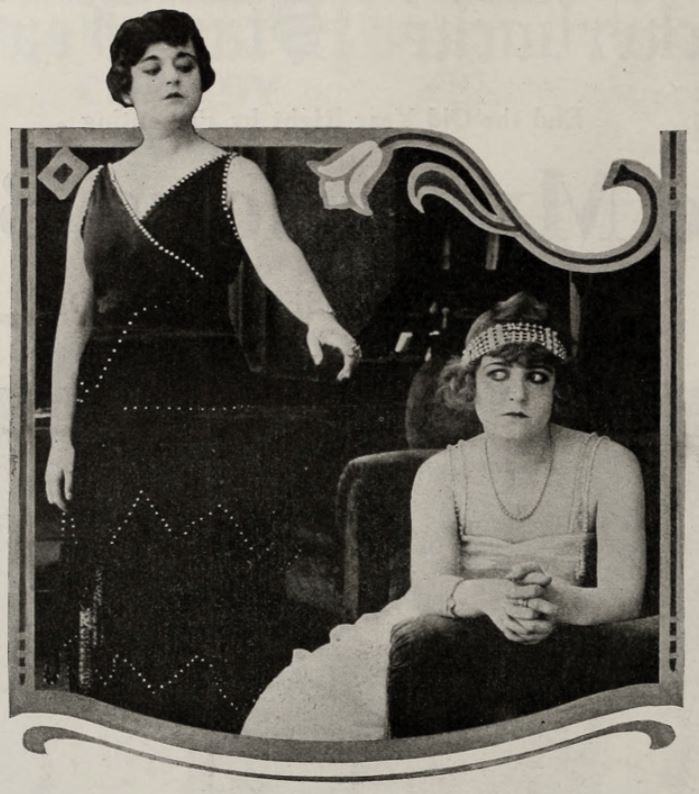
In the annals of early cinema, few narratives unfurl with the intricate, almost Shakespearean, fatalism of Max Marcin's "The Law of Blood." This isn't merely a tale of crime and consequence; it is a profound exploration of inherited destinies, the long shadow cast by past transgressions, and the relentless, often cruel, machinations of an indifferent universe. Directed with a keen eye for human frailty and the dramatic irony inherent in a world where secrets refuse to remain buried, the film presents a tapestry woven with threads of deceit, love, and a haunting sense of predestination. From its very inception, "The Law of Blood" posits a universe governed not by chance, but by an unseen, immutable code – a covenant of lineage that demands its due, regardless of the individual's conscious efforts to escape its grasp. It is a cinematic experience that challenges the viewer to ponder the very nature of fate, the resilience of the human spirit, and the often-agonizing path toward redemption. The film's title itself acts as a potent thematic indicator, suggesting a primal, inescapable connection to one's origins and the moral debts inherited or incurred.
The narrative commences with Al Spencer (Frank Belcher), a character etched from the grittiest corners of human vice. A gambler whose moral compass points squarely towards self-interest, Spencer is introduced not as a protagonist to be admired, but as a catalyst for a chain of events destined to reverberate through generations. His audacious act of desertion—abandoning his wife and infant daughter after a brazen robbery—is more than a crime; it is an abdication of responsibility, a severing of familial bonds that sets the stage for the film's central conflict. This initial transgression, stark and unforgiving, is the primordial scream that echoes throughout the film's subsequent acts. It is here that the "law of blood" first asserts itself, not as a genetic predisposition to crime, but as a karmic debt incurred, waiting patiently for its eventual collection. The film brilliantly establishes this moral vacuum, leaving the audience to ponder the sheer audacity of Spencer's betrayal and the immediate, devastating consequences for his innocent family. His flight from responsibility, driven by self-preservation and greed, lays a foundation of guilt that will, inevitably, resurface decades later, underscoring the film's central tenet that some debts cannot be outrun.
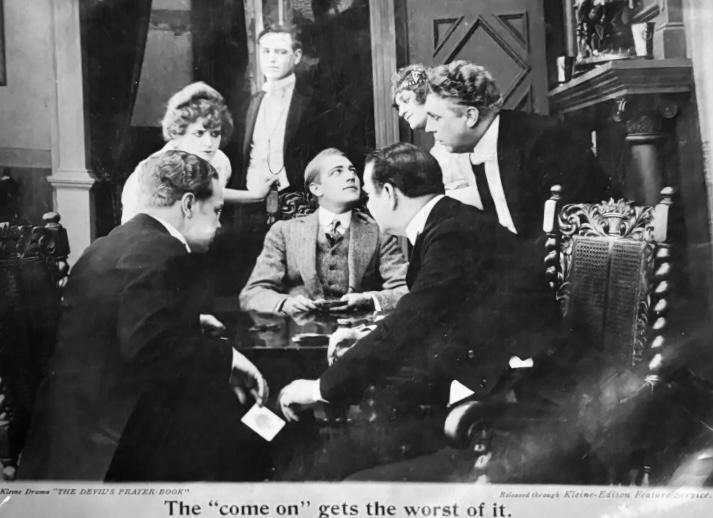
Into this bleak landscape steps Nancy Springer (Ruby Hoffman), a shoplifter whose own life is entangled in the legal labyrinth. Her husband's precarious position, awaiting trial, introduces a narrative contrivance that is both audacious and pivotal: the strategic deployment of an infant in court to sway public sympathy. The tragic irony is palpable as Spencer's abandoned child, Nell, becomes an unwitting pawn in another family's criminal machinations. Mrs. Spencer's innocent act of lending her baby, followed by her untimely demise, forces Nancy and her husband into an impromptu, morally ambiguous adoption. This accidental familial bond, forged in desperation and sustained by a peculiar blend of genuine affection and continued criminality, becomes the crucible in which Nell's destiny is shaped. It is a compelling exploration of how circumstances, far more than inherent evil, can forge a path for the innocent. This twist of fate is a masterstroke in a narrative already brimming with dramatic potential, setting up a complex web of relationships and future conflicts. One might draw parallels here to the intricate, often morally grey, familial bonds explored in films like The House Built Upon Sand, where the foundations of seemingly stable lives are revealed to be built on precarious secrets, much like Nell's upbringing. The accidental adoption, while seemingly benevolent, carries with it the inherent flaw of its origins in deceit, destined to unravel as Nell grows into awareness.
The narrative leaps forward fifteen years, a temporal chasm that underscores the enduring power of the past. Al Spencer, now reborn as the seemingly respectable Albert Sprague, has ascended to a position of affluence and social standing. His meticulously constructed facade of reformation, complete with a wealthy widow and a pretentious Long Island estate, is a testament to his cunning and perhaps a genuine, albeit superficial, desire for a new life. Yet, the audience knows, with a chilling certainty, that this gilded cage is destined to shatter. The Springers, still operating on the fringes of legality, are drawn to the Spragues' wealth like moths to a flame. Their audacious plan to rob the estate, leveraging Nell's burgeoning talents as a thief, sets the stage for the ultimate collision of past and present. The juxtaposition of Spencer's newfound respectability with his inescapable past forms the dramatic backbone of this section, creating an unbearable tension. The film expertly builds anticipation, knowing that the threads of fate, once spun, will inevitably tighten around its unsuspecting characters. This thematic thread of an inescapable past, even in the face of perceived transformation, resonates deeply with the tragic undercurrents of a film like Broken Fetters, where characters struggle against the chains of their history and the moral compromises they have made. Sprague's carefully curated new identity is a house of cards, built on the shifting sands of forgotten transgressions, waiting for the slightest tremor to bring it crashing down.
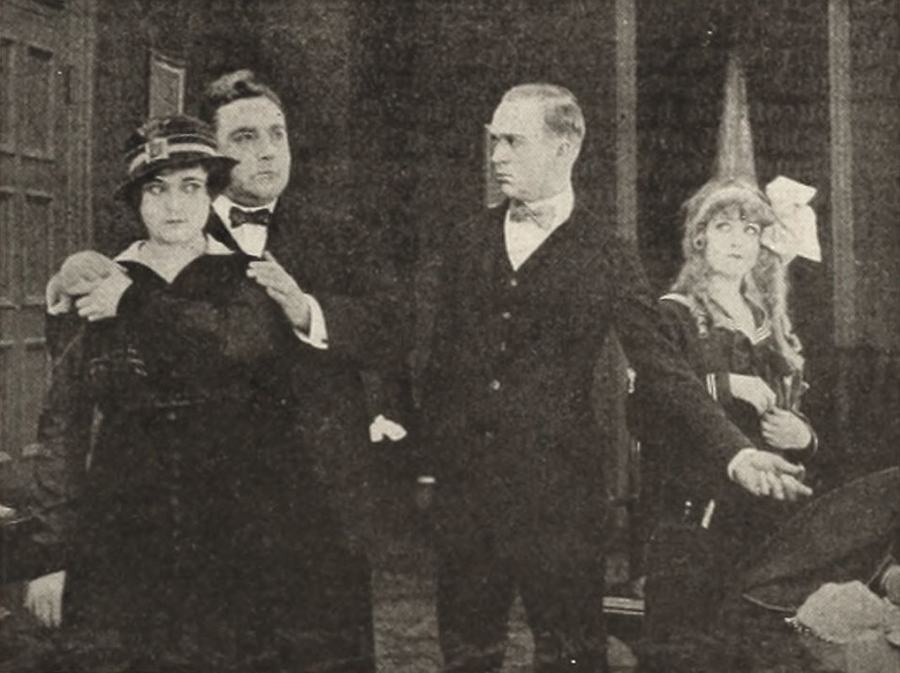
Nell (Alma Hanlon), the unwitting nexus of these intertwined destinies, emerges as the film's moral compass, albeit one constantly spinning in a vortex of conflicting loyalties. Her strategic "illness" at the Sprague residence, intended as a prelude to theft, becomes the catalyst for her own spiritual awakening. The burgeoning romance with young Sprague (Caryl S. Fleming) forces her to confront the stark reality of her life and the moral compromises she has made. Her confession, a wrenching act of courage, marks a pivotal turning point, not just for her character, but for the narrative's trajectory. It is here that the "law of blood" takes on a new dimension: the internal struggle against inherited circumstances, the yearning for a life beyond the confines of familial criminality. Nell's internal torment, caught between her adoptive family's expectations and her own burgeoning conscience, provides the film with its most poignant emotional beats. This profound internal conflict, the battle between one's upbringing and one's burgeoning conscience, is reminiscent of the moral dilemmas faced by characters in films such as The Daughter of the People, where identity is forged in the crucible of societal expectation and personal aspiration. Her choice to confess, risking everything, is a powerful assertion of individual will against the seemingly inexorable pull of her past, a desperate plea for a different future.
The film accelerates towards its tragic climax with the Springers' desperate, brutal robbery. The murder of young Sprague and the subsequent death of his mother from shock are visceral, shocking events that elevate "The Law of Blood" beyond a mere crime drama into the realm of profound tragedy. Nell's complicity, whether active or passive, leads to her conviction, a stark reminder of the inescapable web of consequence. The intervention of a state's evidence thief, leading to the Springers' capture, serves as the final, agonizing piece of the puzzle. It is through these confessions that the true identity of Nell is revealed to Albert Sprague, shattering his carefully constructed world and forcing him to confront the ghost of his past. The moment of revelation is a masterclass in dramatic irony, a devastating blow delivered by the very "law of blood" he had so carelessly invoked decades prior. The swift, merciless justice that befalls the characters, particularly the innocent caught in the crossfire, evokes the stark, often brutal, realism found in films like Der Weg des Todes (The Way of Death), where fate's decree is absolute and inescapable. The violence of the robbery and its immediate, devastating fallout serve as a brutal testament to the destructive power of unchecked ambition and the cyclical nature of crime. The film doesn't shy away from the horrific consequences, ensuring that the audience feels the full weight of the tragedy that unfolds.
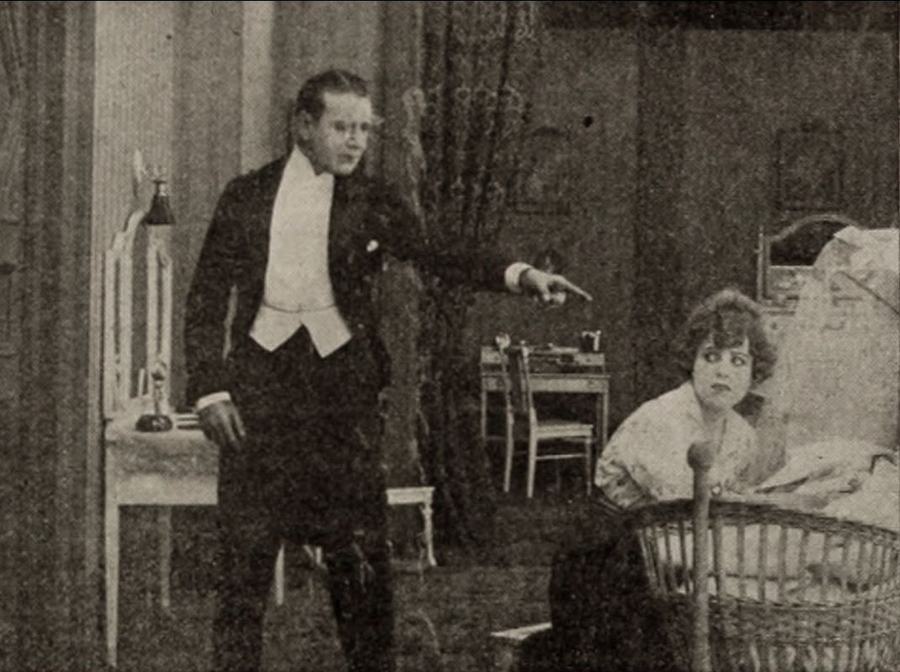
Sprague's subsequent efforts to secure Nell's release are not merely acts of paternal love; they are a desperate attempt at atonement, a belated acknowledgment of the familial debt he abandoned so long ago. His success in achieving her freedom, however, does not immediately pave the way for reconciliation. Nell's initial spurning of her biological father is both understandable and emotionally resonant. Her life has been irrevocably shaped by his desertion and the subsequent criminal upbringing, making forgiveness a complex, arduous journey. The eventual, albeit tentative, union between father and daughter is not a saccharine, Hollywood ending, but a hard-won truce, a fragile acknowledgment of their shared, tragic history. It suggests that while the "law of blood" may dictate certain outcomes, there remains a glimmer of hope for healing, for forging new bonds, even amidst the wreckage of the past. The lingering tension in their reunion speaks volumes about the lasting scars of abandonment, a theme that could be explored in comparison to the complexities of family ties in a film like A Romance of Billy Goat Hill, albeit with vastly different contexts. Sprague's journey from a self-serving gambler to a man burdened by guilt and seeking redemption is one of the film's most compelling arcs, showcasing the transformative power of profound regret and the enduring, albeit complicated, pull of parental love.
"The Law of Blood" is, at its core, a meditation on the interplay between fate and free will. Does Spencer's initial act of abandonment predestine Nell's life of crime and suffering, or is there room for individual choice to alter the course? The film leans heavily towards the former, suggesting that some destinies are inextricably linked to ancestral errors. Yet, Nell's eventual moral awakening and Spencer's desperate attempts at redemption offer a nuanced counterpoint, hinting at the possibility of agency, however constrained. The film masterfully employs dramatic irony, allowing the audience to witness the inevitable collision of these disparate lives long before the characters themselves grasp the full extent of their interconnectedness. The title itself is a powerful thematic statement, implying an inherent, almost genetic, pull towards certain outcomes, or perhaps, more profoundly, the indelible stain of one's lineage and the societal judgment that often accompanies it. This idea of inescapable destiny and the struggle against inherent traits or past actions finds echoes in the dramatic narratives of films like Eugene Aram, where characters are often trapped by their pasts or societal judgment, and where the weight of historical actions dictates the present. The film skillfully navigates these philosophical waters, leaving the audience to ponder the extent to which we are truly masters of our own fates versus pawns in a larger, predetermined game.
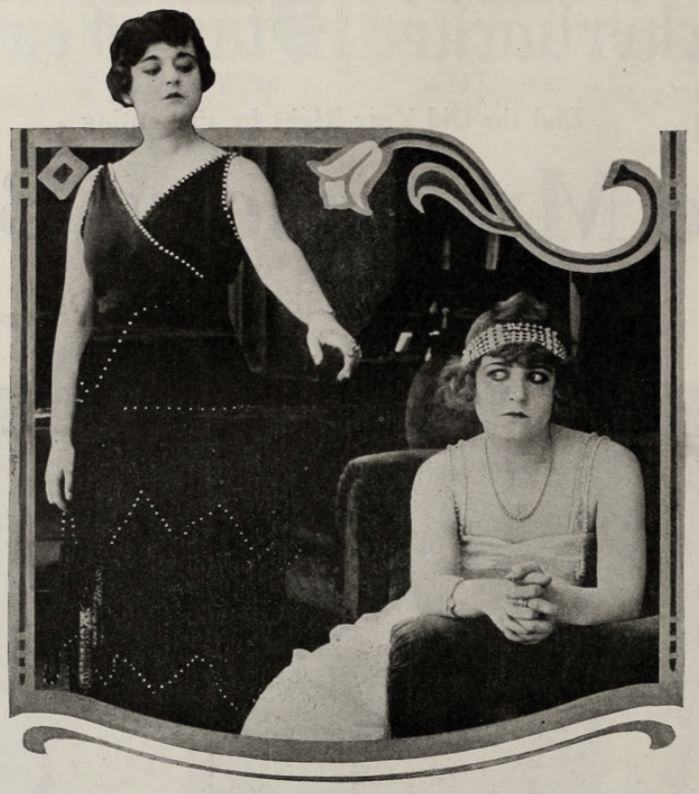
Max Marcin, as both writer and likely guiding force behind its cinematic realization, crafts a narrative that is both expansive in its scope and intimate in its emotional impact. For a film of its era, "The Law of Blood" exhibits a remarkable sophistication in its plotting and character development. The performances, particularly from the central trio of Frank Belcher, Ruby Hoffman, and Alma Hanlon, must have conveyed the profound emotional turmoil with the exaggerated yet potent expressiveness characteristic of silent cinema. The visual language, through title cards and carefully composed shots, would have been crucial in conveying the intricate web of deceit, despair, and eventual, fragile hope. The film's ability to sustain such a complex narrative through visual cues and the sheer force of its actors' presence speaks volumes about the artistry of early filmmaking. The stark contrasts between the opulence of the Sprague estate and the gritty reality of the Springers' lives would have been visually striking, emphasizing the social and moral chasm between them. This visual dichotomy amplifies the narrative's tension, highlighting the precariousness of Sprague's newfound respectability. The film's ability to convey complex emotional states without dialogue places it among the more compelling dramatic achievements of its time, akin to the powerful visual narratives found in films like The Might of Gold, which often explored moral quandaries through rich symbolism and striking imagery. The absence of spoken words would have necessitated heightened physical acting and evocative cinematography, making the silent era a unique canvas for such a profound story.
"The Law of Blood" stands as a testament to the enduring power of classic storytelling. It is a film that challenges its audience to consider the profound implications of individual actions, the long reach of the past, and the complex, often contradictory, nature of human relationships. It is a stark reminder that some debts, once incurred, demand payment not just from the original transgressor, but from those unwittingly caught in the wake of their choices. The film's conclusion, while offering a semblance of resolution, refuses to sanitize the preceding tragedy, leaving the audience with a sense of the profound, often melancholic, weight of inherited destiny. It's a gripping narrative that, despite its age, resonates with timeless questions about identity, morality, and the relentless march of consequence. In its exploration of crime and its repercussions, one might also consider its thematic ties to other crime dramas of the era, such as Thieves' Gold, though "The Law of Blood" adds a deeply personal, familial dimension to the genre, elevating it beyond a simple heist story. The film's enduring relevance lies in its unflinching portrayal of human fallibility and the intricate dance between fate and choice, a dance that continues to captivate audiences across generations.
Ultimately, "The Law of Blood" is more than a historical curiosity; it is a potent dramatic work that probes the very essence of what it means to be bound by lineage, by mistake, and by the relentless, often brutal, forces of fate. Max Marcin's vision, brought to life by a dedicated cast, ensures that this tale of a father's desertion and a daughter's unwitting suffering remains a compelling, if somber, cinematic experience. It is a film that forces us to reflect on the unseen threads that connect us to our past, and the often-painful journey towards understanding and, perhaps, a fragile form of redemption. The narrative complexity and the emotional depth ensure its place as a significant, albeit often overlooked, work in the tapestry of early American cinema, a testament to the power of storytelling that transcends time and evolving cinematic techniques. Its exploration of moral quandaries and the cyclical nature of consequences ensures its continued resonance, inviting contemporary audiences to engage with its timeless themes and powerful dramatic execution.
IMDb —
1928
Community
Log in to comment.