DbcultAccessing Vault...
Cult Review
Senior Film Conservator
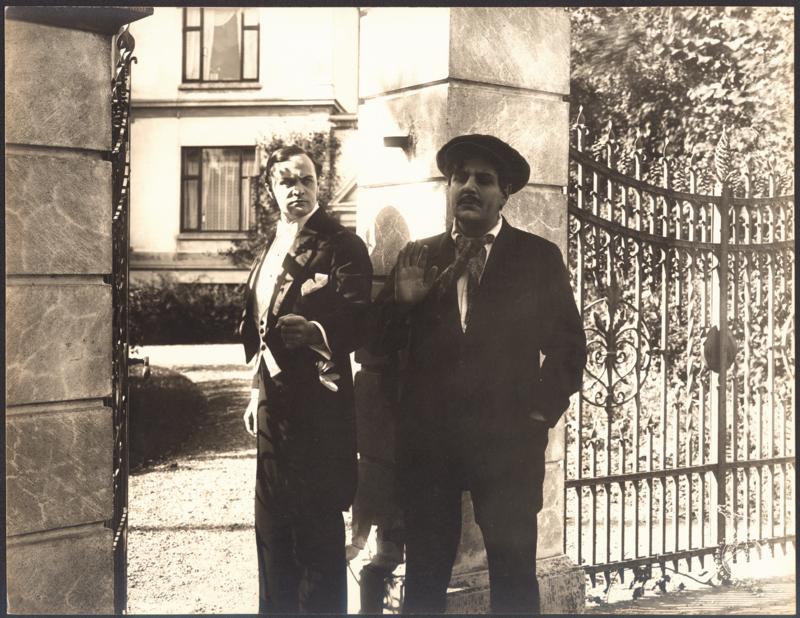
There are cinematic artifacts that, even when shrouded in the mists of time, retain an undeniable power, a resonant frequency that speaks across generations. 'Kampen om barnet', or 'The Fight for the Child', is precisely such a film. While its specific intricacies may have faded from common discourse, its thematic core — the primal struggle for a child, the societal pressures exerted upon women, and the often-unjust machinations of the legal system — remains strikingly pertinent. This Danish silent film, a product of an era brimming with dramatic experimentation and social commentary, offers a profound glimpse into a society grappling with morality, class, and the very definition of family. It’s a work that, even in its spectral presence, compels us to consider the enduring human dramas that have shaped our collective consciousness, a testament to the power of early cinema to articulate complex emotional landscapes without uttering a single spoken word.
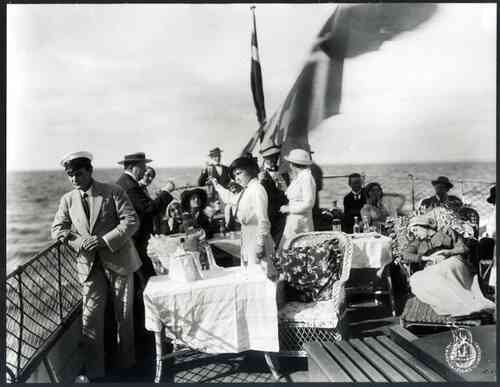
At the heart of this poignant drama lies Elin, portrayed with an exquisite blend of fragility and nascent strength by Else Frölich. Frölich, a luminary of the Danish silent screen, imbues Elin with a palpable sense of the era's restrictive social mores, a woman caught in a web of circumstances not entirely of her own making. Her initial transgression – a clandestine affair with Henrik, the scion of a more affluent family, played by Nicolai Johannsen with a convincing blend of charm and eventual callousness – sets in motion a chain of events that will irrevocably alter her life. The film masterfully delineates the stark societal double standards of the period: Henrik, though the father, largely escapes the opprobrium, while Elin is immediately branded, ostracized, and stripped of her dignity. The birth of her son, Lars, rather than being a moment of unadulterated joy, becomes a crucible of sorrow and impossible choices. The pressure to relinquish her child, exerted by the pervasive moralistic judgment of society and perhaps even her own family, embodied by the stern, unyielding figure of Carl Lauritzen, is a devastating testament to the era's unforgiving social fabric. This initial act of forced separation is the film's foundational tragedy, a wound that festers and eventually propels the narrative into its central conflict.
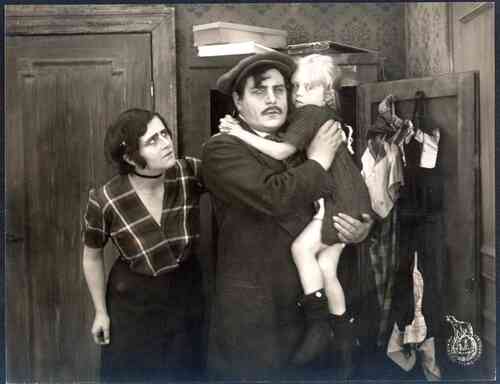
Lars finds a new home with Anna and Karl, characters etched with a compelling blend of sympathy and eventual moral ambiguity. Johanne Fritz-Petersen, a versatile actress of the period, portrays Anna as a woman initially driven by genuine compassion and a longing for motherhood, her every gesture conveying a deep, heartfelt attachment to the child she now calls her own. Oscar Stribolt, often lauded for his comedic timing, here delivers a performance that showcases his dramatic range, presenting Karl as a man burdened by his own quiet struggles, perhaps financial or societal, which deepen his attachment to the child as a source of stability and meaning. Their home, initially a sanctuary for Lars, slowly transforms into a battleground as Elin, having found a measure of stability and inner fortitude, begins her relentless quest to reclaim her son. The film artfully avoids simple villainy, instead portraying the adoptive parents as complex individuals whose love for Lars, while genuine, becomes increasingly possessive and desperate as the threat of losing him looms. This nuanced portrayal elevates the narrative beyond a mere melodrama, delving into the ethical complexities of ownership versus biological ties, love versus legal right.
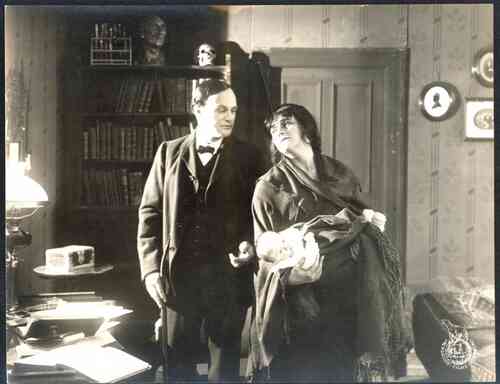
The struggle for Lars escalates into a gripping legal battle, a pivotal segment of the film where the cold, impartial hand of the law clashes with the fiery, untamed emotions of human hearts. Kaj Holberg and Martin Jørgensen, credited as the film's writers, construct a narrative that meticulously dissects the limitations of legal frameworks in resolving profoundly personal and emotional disputes. The courtroom scenes, while likely staged with the dramatic flourishes characteristic of silent cinema, serve as a powerful microcosm of societal judgment. Here, Elin's past is laid bare, scrutinized and weaponized against her, while the adoptive parents' seemingly unblemished record is presented as an unassailable advantage. The film highlights the inherent biases within the legal system, particularly against women of lesser means or those who have transgressed societal norms. Volmer Hjorth-Clausen, perhaps as Elin's sympathetic advocate or a figure representing nascent social reform, offers a glimmer of hope amidst the legalistic despair, fighting for a justice that transcends mere precedent. The tension is palpable, not just in the legal arguments but in the silent, agonizing expressions of the parents, each convinced of their righteous claim to the child. This sequence resonates with the moral quandaries explored in films like The Reform Candidate, though here the focus is intensely personal rather than political, the stakes immeasurably higher for the individuals involved.
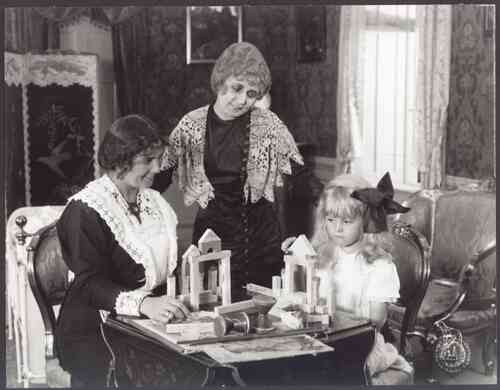
Without the benefit of dialogue, the burden of storytelling falls squarely on the visual language of the film – the actors' expressions, the director's framing, the mise-en-scène. 'Kampen om barnet' is a masterclass in this regard. The director, whose name may be lost to time but whose vision is undeniably potent, employs close-ups with devastating effect, allowing the audience to witness every flicker of hope, every tremor of despair on the faces of the protagonists. Else Frölich's eyes, brimming with unshed tears or blazing with fierce determination, become windows to Elin's soul. Johanne Fritz-Petersen's subtle shifts from nurturing love to desperate fear are equally compelling. The contrasting environments – the humble, often stark, settings of Elin's life versus the more comfortable, if increasingly strained, domesticity of the adoptive parents – serve as powerful visual metaphors for the class distinctions that underpin the entire conflict. The pacing, likely deliberate and measured, builds dramatic tension incrementally, allowing the emotional weight of each scene to fully register. The film’s visual grammar, though simple by today’s standards, is incredibly sophisticated for its time, demonstrating a keen understanding of how to convey complex emotions and narrative arcs through purely visual means. The performances from the entire ensemble, including Carl Schenstrøm, Lily Frederiksen, and Ebba Lorentzen in supporting roles, contribute to a rich tapestry of human experience, each face telling a part of the larger story without needing a single intertitle to explain their feelings.
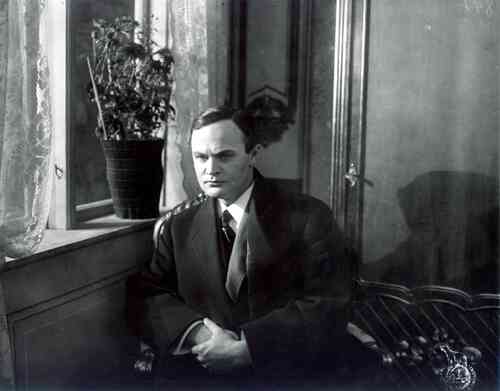
'Kampen om barnet' delves into a rich array of thematic concerns that transcend its specific historical context. At its core, it is a profound exploration of motherhood – not merely as a biological imperative, but as an emotional, psychological, and societal construct. The film questions what truly defines a mother: the act of giving birth, the act of nurturing, or the unwavering will to fight for a child's welfare? It also critiques the rigid moral codes of the era, particularly their disproportionate impact on women. Elin's plight is a microcosm of countless women who faced social ostracism and systemic disadvantage for perceived moral failings, while men often escaped consequence. This societal judgment echoes the themes of redemption and social condemnation found in films like Maria Magdalena, though 'Kampen om barnet' anchors its critique firmly in the domestic sphere. Furthermore, the film masterfully navigates the complexities of class, showing how economic disparity directly influences one's standing in the eyes of the law and society. The child, Lars, becomes more than just an innocent bystander; he is a symbol, a contested prize, representing hope, lineage, and the future, caught between the competing claims of love and legal entitlement. The film's resolution, whatever its specific outcome, undoubtedly leaves the audience pondering the true meaning of justice when emotions run so high and societal norms are so entrenched. It forces a contemplation of whether the law can ever truly adjudicate the deepest bonds of human affection.
The early 20th century was a golden age for Danish cinema, a period when studios like Nordisk Film produced a remarkable output of melodramas, social commentaries, and thrillers that captivated audiences worldwide. 'Kampen om barnet' fits squarely within this tradition, showcasing the Danish penchant for intricate character studies and emotionally charged narratives. Unlike some of the more sensationalist fare of the time, or the grand historical epics like Famous Battles of Napoleon, Danish dramas often focused on intimate human struggles, providing a lens through which to examine contemporary societal issues. The collaboration between writers Kaj Holberg and Martin Jørgensen, even if their primary contributions were script-based, demonstrates a commitment to narratives that resonate deeply with the human condition. Their work on 'Kampen om barnet' likely contributed to its reputation as a thought-provoking and emotionally engaging piece, a hallmark of Danish filmmaking of that era. The film serves as an important reminder of the nation's significant, though often overlooked, contribution to the development of cinematic artistry, particularly in its sophisticated use of visual storytelling and its willingness to tackle complex social dilemmas. It stands alongside other compelling Danish dramas such as Champagneruset in its ability to capture the zeitgeist of a changing society, albeit with a focus on the sober realities rather than hedonistic escapism.
To engage with 'Kampen om barnet' is to embark on a journey into the moral and emotional landscape of a bygone era, yet to find striking parallels with contemporary struggles. The film's unwavering focus on the plight of a mother fighting for her child, the insidious influence of class distinctions, and the often-imperfect nature of justice, ensures its enduring relevance. It’s a powerful testament to the universal themes that cinema, even in its earliest forms, was capable of exploring with profound depth and sensitivity. The performances, particularly from Else Frölich, Johanne Fritz-Petersen, and Oscar Stribolt, are etched with a raw honesty that transcends the limitations of silent acting, communicating volumes through subtle gestures and expressive visages. As a work of art, 'Kampen om barnet' serves as a crucial historical document, illuminating the social anxieties and ethical debates of its time, while simultaneously offering a timeless meditation on the complexities of love, loss, and the unyielding human spirit. It reminds us that some battles, particularly those fought for the heart, echo through history, their silent cries still heard by those willing to listen.

IMDb —
1925
Community
Log in to comment.