DbcultAccessing Vault...
Cult Review
Senior Film Conservator
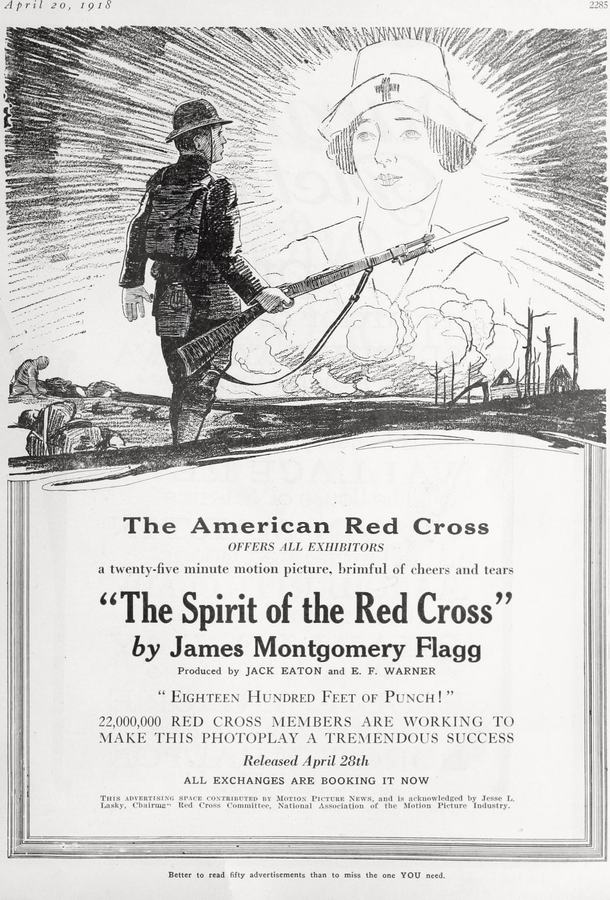
Stepping back into the cinematic landscape of 1918, one encounters a fascinating tapestry of nascent storytelling, often imbued with the fervent nationalistic spirit and the profound societal shifts of the era. The Spirit of the Red Cross emerges from this crucible, not merely as a film, but as a cultural artifact, a reflection of American sentiment during the Great War. This production, penned by the renowned James Montgomery Flagg, a name synonymous with iconic wartime imagery, promises a narrative steeped in patriotism and human compassion, a promise it largely endeavors to fulfill through its earnest portrayal of sacrifice and devotion.
At its core, the film is a romantic drama set against the harrowing backdrop of World War I, a period when the lines between personal narrative and national identity blurred. We are introduced to Sammy, a young American man, portrayed with a commendable blend of youthful zeal and quiet determination by Raymond McKee. His decision to sail for France, to actively engage in the brutal conflict, is framed not just as an individual choice but as an embodiment of a collective national resolve. This was a common trope in wartime cinema, where individual heroism became a microcosm of broader patriotic fervor, echoing sentiments found in other contemporary films like Good-Bye, Bill, which similarly channeled the public mood.
His sweetheart, Ethel, brought to life with understated grace by Claire Adams, refuses to be relegated to the passive role of the anxious woman awaiting news from afar. Her decision to follow Sammy to France, not as a mere observer but as an active participant in the humanitarian effort, specifically as a Red Cross nurse, elevates her character beyond the typical damsel in distress. This portrayal of female agency, even within the confines of traditional gender roles, was significant, subtly highlighting the expanding sphere of women's influence during wartime. Ethel's journey mirrors the societal shift that saw countless women step into roles previously dominated by men, from factories to the front lines of medical aid.
The Unseen Heroes: The Red Cross's Enduring Spirit
The titular 'Spirit of the Red Cross' is not merely a poetic flourish; it's the very heartbeat of the narrative. As Sammy navigates the grim realities of the Western Front, he becomes an eyewitness to the tireless, selfless work of the Red Cross volunteers. These scenes, while perhaps tinged with a degree of idealization common in propaganda-adjacent cinema, nevertheless serve a crucial purpose: to underscore the indispensable role of humanitarian aid amidst the chaos of war. The film effectively positions the Red Cross as a symbol of hope and unwavering compassion, a stark contrast to the destruction wrought by conflict. This focus on the Red Cross was a powerful message, designed to rally public support and donations for the organization, much like Flagg's iconic 'I Want YOU' poster galvanized recruitment efforts.
The narrative's emotional crescendo arrives when Sammy, wounded in the throes of battle, finds himself in dire straits. The ensuing rescue, orchestrated by none other than his beloved Ethel, transforms a personal drama into a powerful allegory. It’s a moment designed to elicit both relief and a profound sense of connection, emphasizing that even in the vast, impersonal machinery of war, individual acts of love and heroism can pierce through the darkness. This reunion, while perhaps predictably cinematic, serves as a deeply satisfying emotional anchor, validating the sacrifices made by both characters.
From a critical standpoint, The Spirit of the Red Cross is a fascinating study in early cinematic persuasion. James Montgomery Flagg's influence, primarily known for his visual artistry, translates into a narrative that is clear, direct, and emotionally resonant. While the plot might seem simplistic by today's standards, its directness was a strength in an era where film grammar was still evolving. The film’s pacing, typical of early silent features, relies on expressive intertitles and the nuanced performances of its leads to convey complex emotions and propel the story forward. Compare this to the more experimental narrative structures seen in European films of the same period, such as Impressioni del Reno or Sperduti nel buio, which often explored deeper psychological landscapes or social realism with a different aesthetic.
The Art of Persuasion: Propaganda and Poignancy
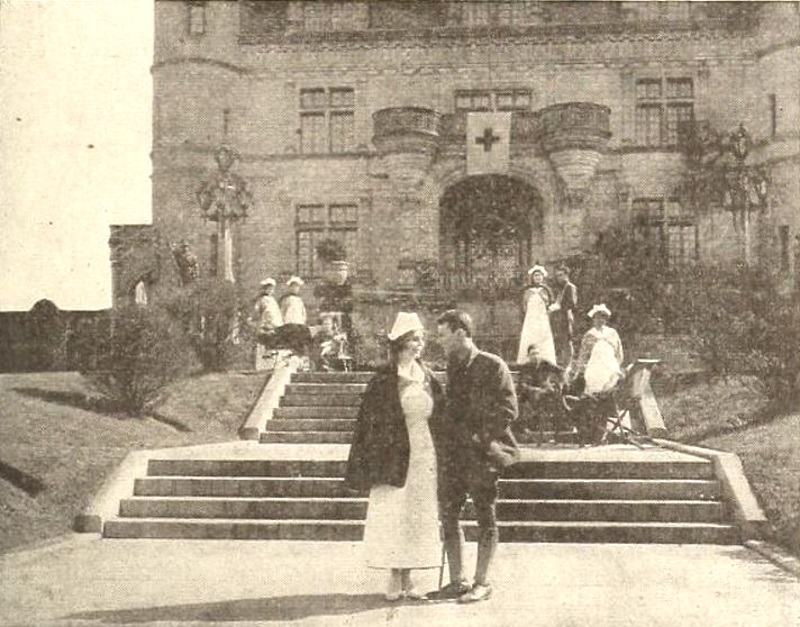
It's impossible to discuss The Spirit of the Red Cross without acknowledging its undeniable role as a piece of wartime propaganda. Yet, to dismiss it solely as such would be to overlook its genuine emotional appeal and its attempt to humanize the war effort. Unlike purely jingoistic fare, the film balances its patriotic messaging with a heartfelt portrayal of individual struggle and the universal desire for connection. It deftly intertwines the personal with the political, making the grand cause of the war feel intimately tied to the fate of its central characters. This approach allowed it to resonate deeply with audiences, fostering a sense of shared purpose and empathy for those serving both on the front lines and in support roles.
Raymond McKee, as Sammy, embodies the archetype of the earnest American hero. His performance, while constrained by the conventions of silent film acting, conveys a sincerity that makes his character relatable. We see his transformation from a hopeful recruit to a battle-hardened soldier, and his vulnerability in moments of peril. Claire Adams, as Ethel, is equally compelling. Her portrayal of a woman driven by love and a sense of duty is both strong and empathetic. She isn't just a love interest; she is an active participant in the unfolding drama, her compassion a tangible force. Their chemistry, communicated through subtle glances and gestures, lends credibility to their enduring bond amidst the turmoil.
The film's visual language, while perhaps not groundbreaking for its time, is effective in conveying the stark realities of war alongside the tender moments of human connection. The scenes depicting the Red Cross's work in makeshift hospitals or aid stations are particularly impactful, showcasing the dedication and resilience of these volunteers. The battlefield sequences, while limited by the special effects capabilities of the era, still manage to evoke a sense of danger and desperation, reminding viewers of the immense sacrifices being made. One can draw parallels to the visceral depictions of conflict, albeit on a different scale, in films like Down with Weapons, which explored the horrors of war with a more explicit anti-war stance, contrasting with the more supportive tone of The Spirit of the Red Cross.
Beyond its immediate impact, The Spirit of the Red Cross offers valuable insights into the social fabric of early 20th-century America. It highlights the prevailing ideals of heroism, the romanticization of war (even as its brutalities are hinted at), and the burgeoning recognition of humanitarian efforts as integral to national identity. The film serves as a historical document, illustrating how cinema was employed not just for entertainment, but as a potent tool for shaping public opinion and mobilizing national resources. Its focus on the Red Cross, a relatively new but rapidly growing organization, solidified its public image as a benevolent force for good.
A Legacy of Empathy and Endeavor
While it may not possess the sprawling epic scope of some later war films, or the intricate character studies of more modern dramas, its strength lies in its sincerity and direct emotional appeal. It's a film that speaks to the enduring power of love, the profound importance of altruism, and the resilience of the human spirit in the face of unimaginable adversity. It reminds us that even in the darkest hours, acts of kindness and unwavering dedication can offer a glimmer of hope. The film, in its quiet way, champions the unsung heroes of the Red Cross, whose tireless work often went unheralded but was absolutely vital to the morale and survival of countless individuals. Much like the societal dramas of the period, such as Maternità, which often explored human resilience, this film places its emphasis on a specific form of collective human endeavor.
The directorial choices, while not attributed to a specific individual in the provided information, reflect a clear understanding of how to craft a compelling narrative for a wartime audience. The use of close-ups to emphasize emotional states, the careful staging of dramatic confrontations, and the integration of intertitles that guide the viewer through the narrative arc all contribute to its effectiveness. The film's message is unambiguous: the Red Cross is a force for good, deserving of support, and the American spirit, both on the battlefield and in the hospitals, is indomitable. This was a crucial message for a nation deeply invested in a global conflict.
The Spirit of the Red Cross doesn't aim for complex moral ambiguities or profound philosophical inquiries into the nature of war. Instead, it offers a clear, resonant message of hope, duty, and the extraordinary capacity for human connection to transcend the horrors of conflict. It is a testament to the power of cinema as a tool for both emotional engagement and civic encouragement, a mirror reflecting the aspirations and anxieties of a nation at war. Its historical value is immense, providing a window into the popular culture and prevailing sentiments of its time. For enthusiasts of early cinema and those interested in the social history of World War I, this film remains a compelling watch, offering more than just entertainment – it offers a glimpse into the heart of a nation. It stands alongside other films of its era, like The House of Temperley or The Prodigal Son, in showcasing the narrative styles and thematic interests that captivated audiences of the early 20th century, but with its unique focus on a specific, humanitarian aspect of a global conflict.
In conclusion, The Spirit of the Red Cross, while a product of its time and its specific agenda, transcends simple categorization. It is a love story, a war drama, and a heartfelt tribute to the humanitarian spirit, all woven into a cohesive narrative by the pen of James Montgomery Flagg and the earnest performances of Raymond McKee and Claire Adams. It reminds us that even when the world descends into chaos, the human desire for connection, compassion, and courage can illuminate the darkest corners. Its enduring message, though delivered through the lens of a bygone era, remains remarkably relevant, underscoring the timeless importance of aid and empathy in a world often beset by conflict.
IMDb 6.8
1916
Community
Log in to comment.