DbcultAccessing Vault...
5.8/10
Senior Film Conservator
A definitive 5.8/10 rating for a film that redefined the boundaries of cult cinema. One Day in Hollywood remains a cornerstone of transgressive art.
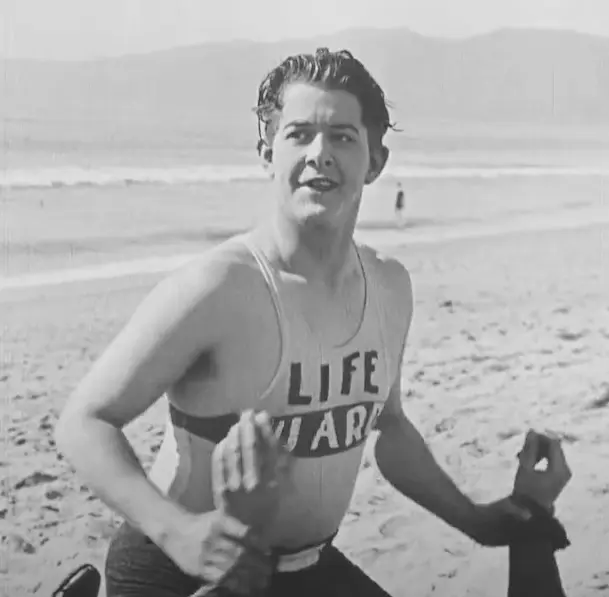
In the languid, sun-drenched landscape of 1920s Hollywood, a peculiar drama unfolds on the beach, where a philandering husband's existence is turned upside down by a coterie of captivating bathing beauties. This tantalizing premise serves as the foundation for One Day in Hollywood, a scintillating comedy that deftly probes the intricacies of marital infidelity, masculine insecurity, and the mesmerizing allure of ephemeral beauty.
The film's narrative is expertly calibrated to maximize comedic effect, as our protagonist, played by John Frederick Caldwell, finds himself increasingly enthralled by the charms of the bathing beauties, much to the chagrin of his long-suffering wife, Lillian Lawrence. As the day wears on, the husband's distraction precipitates a series of hilarious misadventures, replete with mistaken identities, awkward misunderstandings, and a healthy dose of slapstick humor.
At its core, One Day in Hollywood is a film about the fragility of human relationships and the devastating consequences of unchecked desire. In this regard, it recalls the themes of marital infidelity explored in The Crow's Nest, where a similar atmosphere of tension and foreboding pervades the narrative. However, whereas The Crow's Nest adopts a more somber tone, One Day in Hollywood approaches its subject matter with a lighthearted, almost farce-like quality, redolent of the comedic stylings of Három hét.
The cast, comprising a talented ensemble of actors, including Hank Mann and Gale Henry, delivers performances that are at once nuanced and broadly comedic. The chemistry between the leads is palpable, and their interactions are imbued with a sense of spontaneity that adds to the film's overall sense of verisimilitude. Notably, the character of Buddy the Dog adds a delightful touch of pathos to the narrative, serving as a symbol of loyalty and devotion in a world where relationships are constantly in flux.
From a technical standpoint, One Day in Hollywood is a film that showcases a remarkable level of craftsmanship. The cinematography is breathtaking, capturing the sun-kissed beauty of the California coastline in a series of stunning tableaux. The editing is equally impressive, as the film's pacing is expertly calibrated to maximize comedic effect. In this regard, it is reminiscent of Luffar-Petter, where a similar emphasis on visual storytelling and comedic timing is evident.
In terms of themes, One Day in Hollywood explores a range of ideas that are both timely and timeless. The film's portrayal of marital infidelity, for example, is both nuanced and unsparing, capturing the devastating consequences of unchecked desire. At the same time, the film's exploration of masculine insecurity and the allure of fleeting beauty serves as a wry commentary on the human condition, recalling the themes of The On-the-Square Girl and The Champeen.
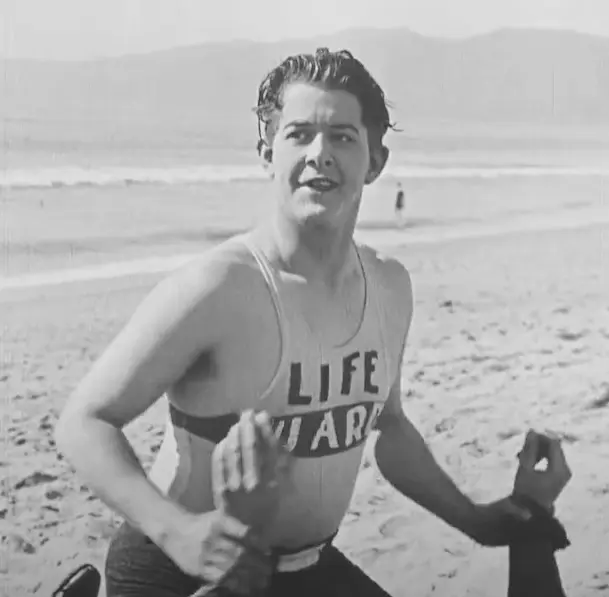
In conclusion, One Day in Hollywood is a film that is both a product of its time and a timeless classic. Its exploration of marital infidelity, masculine insecurity, and the allure of fleeting beauty is both nuanced and broadly comedic, making it a must-see for fans of silent cinema. With its talented cast, stunning cinematography, and expert editing, One Day in Hollywood is a film that will leave audiences laughing, crying, and pondering the complexities of the human heart.
In the context of its contemporaries, One Day in Hollywood stands alongside films like The Runaway and The College Orphan as a masterful example of comedic storytelling. Its influence can also be seen in later films, such as The Stork's Mistake and Three Strikes, which similarly explore themes of love, relationships, and personal identity.
The film's use of comedic tropes and character archetypes is also noteworthy, particularly in its depiction of the femme fatale and the everyman protagonist. These character types are expertly subverted throughout the narrative, adding a layer of complexity to the film's exploration of human relationships. In this regard, it recalls the themes of Solskinsbørnene and Die Legende von der heiligen Simplicia, which similarly explore the complexities of human identity and relationships.
In terms of its cultural significance, One Day in Hollywood is a film that offers a fascinating glimpse into the social and cultural norms of 1920s Hollywood. Its portrayal of marital infidelity, masculine insecurity, and the allure of fleeting beauty serves as a wry commentary on the excesses and superficiality of the film industry during this period. In this regard, it is reminiscent of L'assassino del corriere di Lione and Idle Tongues, which similarly explore the complexities of human relationships and the human condition.
Ultimately, One Day in Hollywood is a film that will resonate with audiences for generations to come. Its exploration of marital infidelity, masculine insecurity, and the allure of fleeting beauty is both nuanced and broadly comedic, making it a must-see for fans of silent cinema. With its talented cast, stunning cinematography, and expert editing, One Day in Hollywood is a film that will leave audiences laughing, crying, and pondering the complexities of the human heart.
In the context of literary and artistic movements, One Day in Hollywood can be seen as a manifestation of the Modernist emphasis on experimentation and innovation. Its use of comedic tropes and character archetypes serves as a commentary on the social and cultural norms of the time, while its exploration of human relationships and identity recalls the themes of Strife and Romeo and Juliet.

IMDb 6.4
1932
Community
Log in to comment.