body{background:#000;color:#fff;font-family:Georgia,serif;} h2{color:#C2410C;margin-top:2rem;margin-bottom:.5rem;font-size:1.8rem;} p{line-height:1.7;margin:0 0 1.2rem;text-align:justify;} a{color:#EAB308;text-decoration:none;border-bottom:1px dotted #EAB308;} a:hover{color:#0E7490;border-color:#0E7490;} blockquote{ma...
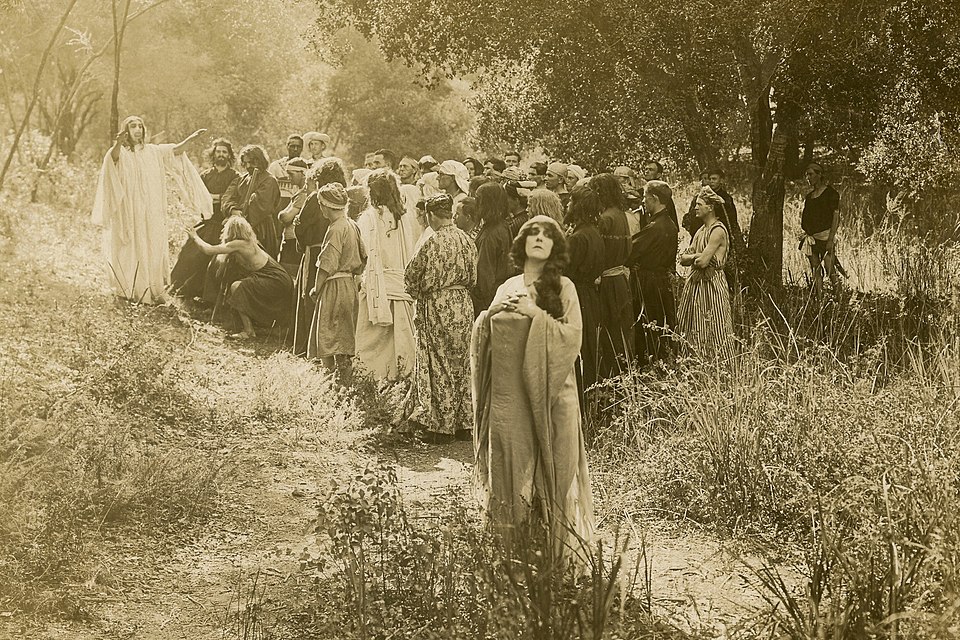
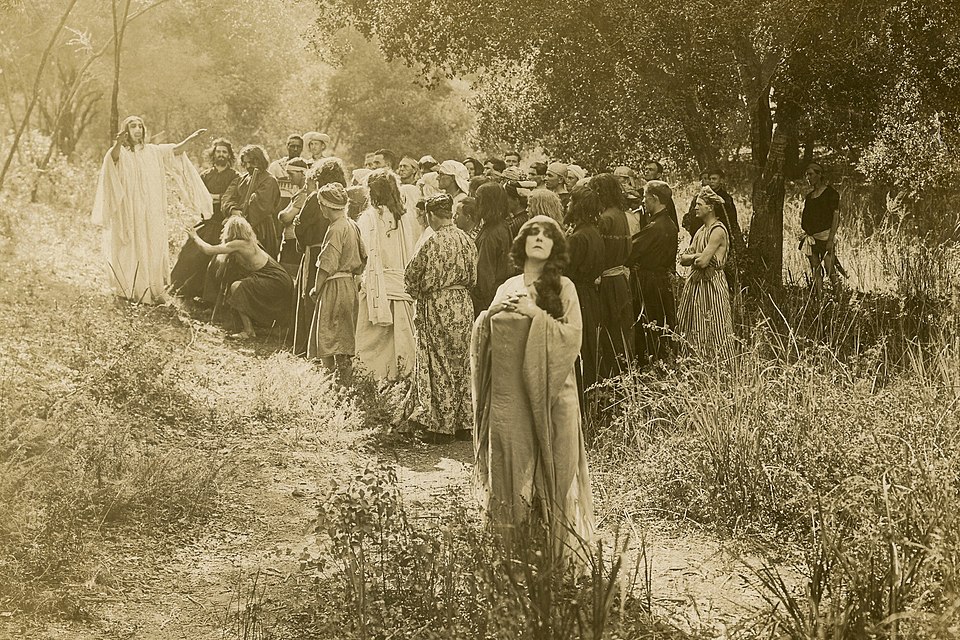
still_frame
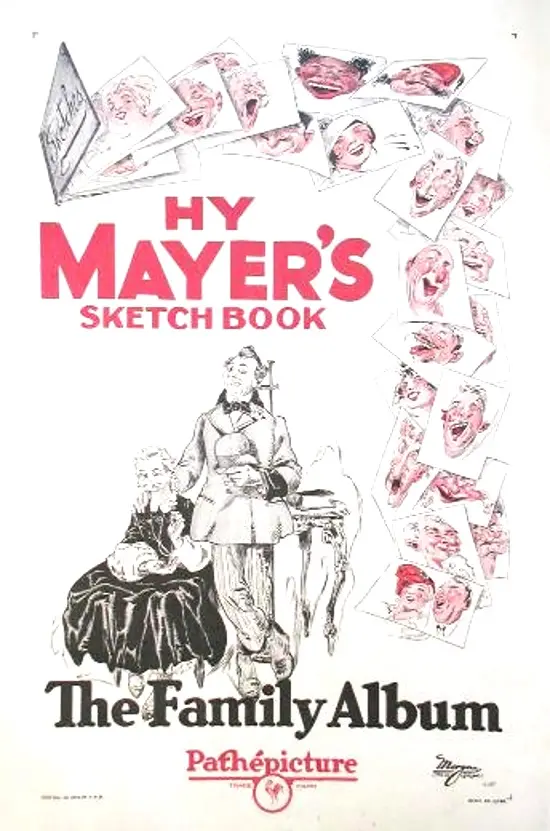
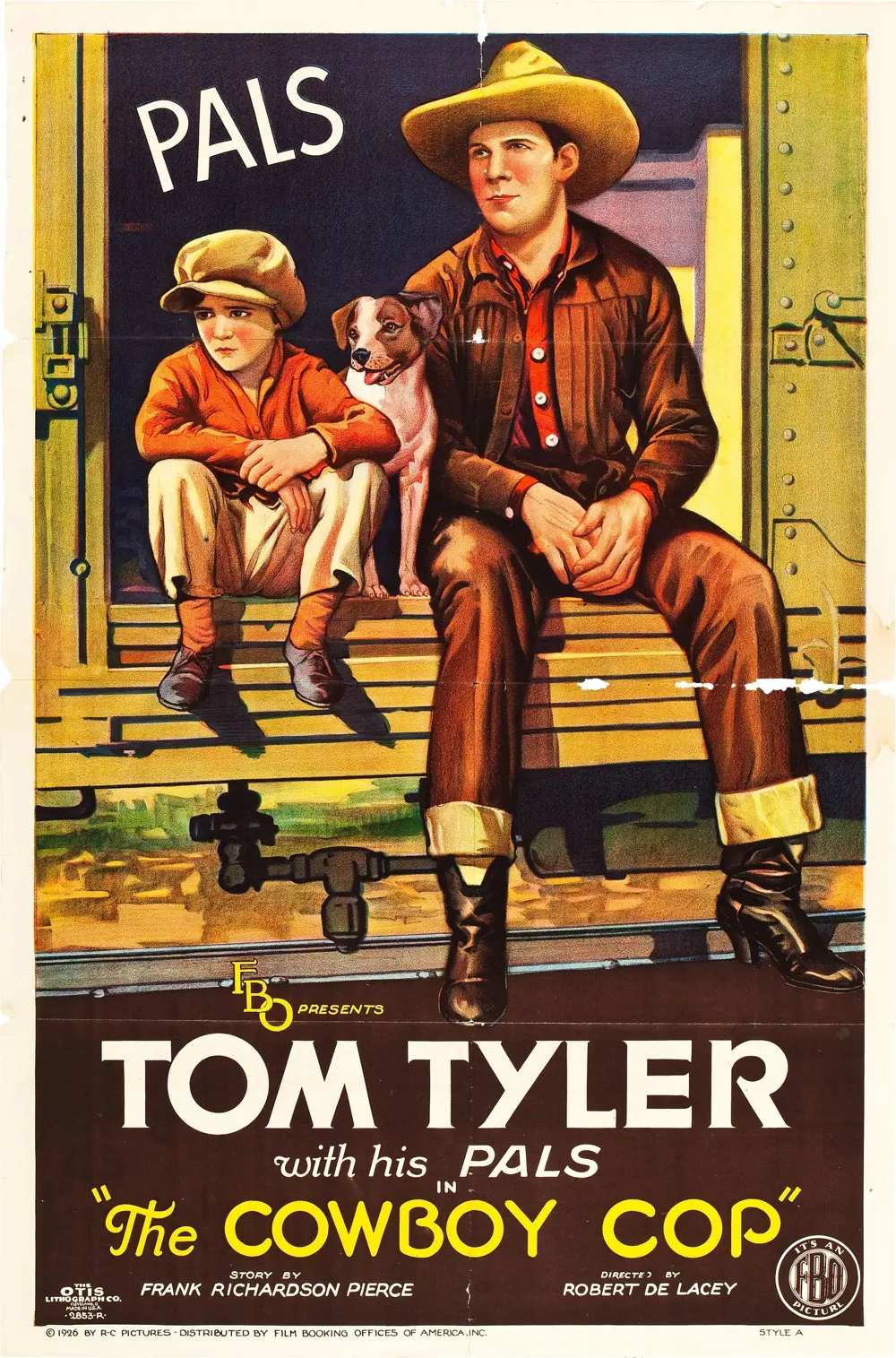
Comparing the cinematic DNA and archive impact of two defining moments in cult history.
Hans Oberländer
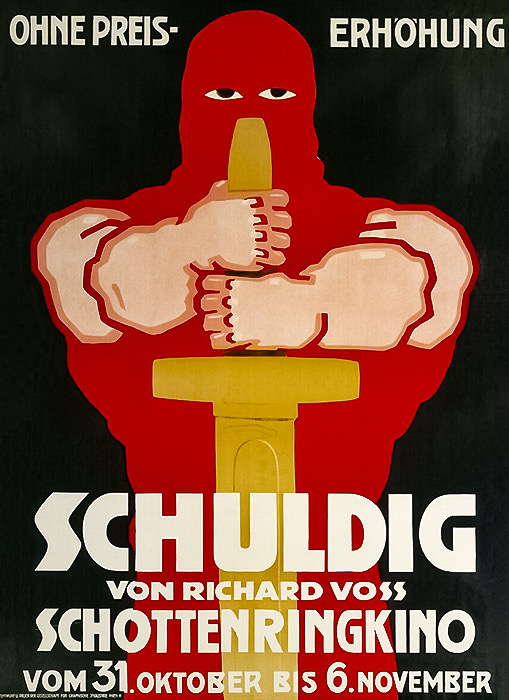
Hans Oberländer
Community
Log in to comment.
" body{background:#000;color:#fff;font-family:Georgia,serif;} h2{color:#C2410C;margin-top:2rem;margin-bottom:.5rem;font-size:1.8rem;} p{line-height:1.7;margin:0 0 1.2rem;text-align:justify;} a{color:#EAB308;text-decoration:none;border-bottom:1px dotted #EAB308;} a:hover{color:#0E7490;border-color:#0E7490;} blockquote{margin:1.5rem 2rem;padding-left:1rem;border-left:3px solid #0E7490;font-style:italic;color:#EAB308;} u{letter-spacing:.5px;} 1. A Flicker out of Oblivion Most cinephiles can recite ..."

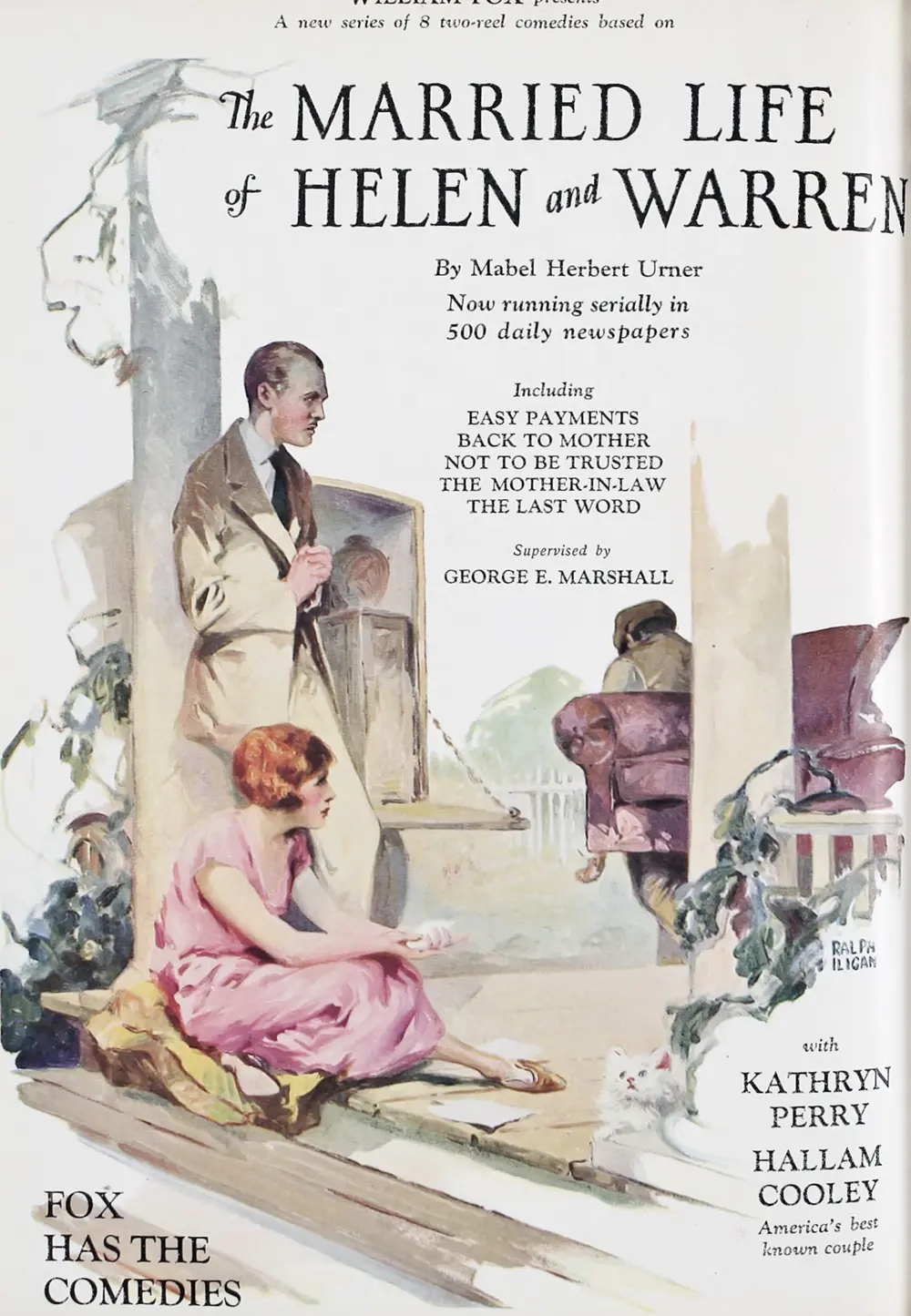
Deep dive into the cult classic
Discover similar cinematic experiences
A Directorial Spotlight on Hans Oberländer
