
DbcultAccessing Vault...
Cult Review
Senior Film Conservator
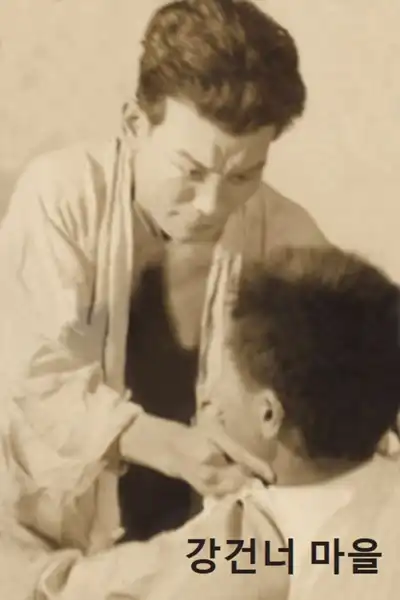
If you have the patience for older cinema that moves at the speed of a village walk, sure. This isn't for people who need constant movement or modern editing. You’ll probably hate it if you just want a quick fix of drama. But if you like seeing how people told stories way back when, you might find something here.
The whole thing kicks off with a cow. It’s the family’s only cow, which makes the son selling it feel like a gut punch even before you know how bad he is at being an adult. Watching him dump his responsibilities for a bus ticket to Seoul feels so stinking familiar, even if the clothes and the dust are from a different era.
Seoul doesn't treat him well. It’s crowded and cold and doesn't care about his problems. The movie doesn't spend too much time on the city itself, just enough to show that he's completely out of his element. There’s a scene where he’s just sitting there looking hungry that hits harder than a monologue would. 🍲
The return home is where the movie settles into its real rhythm. The begging for forgiveness part? It’s not flashy. It’s just sad and quiet. It reminded me a bit of the way emotions are handled in The Miracle Man—simple, no-nonsense, and relying on faces rather than big speeches.
There is a lot of silence in this film. I found myself staring at the background textures more than once. The way the light hits the dirt path makes you feel the heat. It’s a very grounded, earthy kind of filmmaking that we don't really get anymore.
It’s not perfect. Some of the dramatic turns feel a bit forced, like they needed to wrap things up before the film ran out. But it’s got heart. Sometimes, that’s all you really need.
It sits in a weird space, much like The Earth Woman, where the environment feels like a character. If you look at it long enough, you start to forget the grainy quality of the print. You just see the regret on the kid's face. And really, that's what sticks. 🌾
IMDb 5
1930