DbcultAccessing Vault...
5/10
Senior Film Conservator
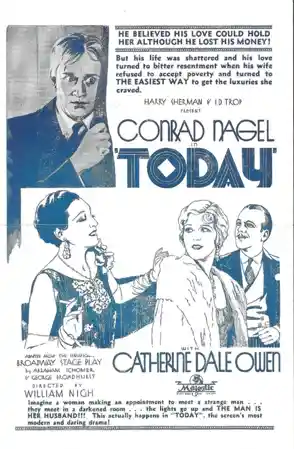
A definitive 5/10 rating for a film that redefined the boundaries of cult cinema. Today remains a cornerstone of transgressive art.
Alright, so Today, it’s one of those old films that really puts its cards on the table early. If you're into melodramatic tales of societal fall, or just curious about how silent films tackled *pretty heavy stuff*, then yeah, it’s worth a look. Folks expecting anything subtle or a light watch will likely find it a bit much, maybe even a little tiring.
The movie starts with Claire and Fred Warner, just swimming in money. We see them in these lavish settings, all grand parties and fancy clothes. It’s a good setup for the big crash, showing you exactly what they have to lose.
Then, poof. The fortune's gone. It happens so fast, a couple of intertitles and suddenly they're staring at an empty bank account. Fred, played by Conrad Nagel, tries to be the stoic one. He gets a job, a real job, and you see him come home tired, the light just gone from his eyes.
But it's Judith Vosselli as Claire who really carries the weight of this story’s central idea. Her performance is... a lot. She just cannot, for the life of her, adapt to not having servants or endless funds. There's this one scene where she's trying to do some simple housework, and it’s just a mess. She drops things, looks utterly bewildered. You almost feel the film trying to convince you this moment matters, like, *really* matters.
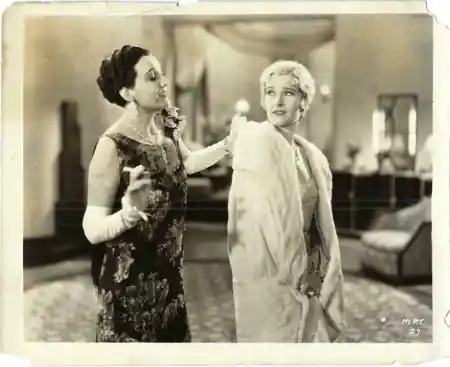
The film then takes a turn, a very bleak one, as Claire drifts into prostitution. It’s handled with a certain kind of dramatic flair that feels both shocking for its time and, frankly, a bit over-the-top by today's standards. But it makes its point.
There are these moments where the camera just lingers on Claire’s face, especially after she’s made her choice. You see the despair, sure, but also a kind of strange, almost defiant emptiness. It's not a nuanced performance, but it’s definitely a powerful one for the period.
The pacing can feel a little stretched at times. Some scenes, especially in the middle section, go on a bit too long, like the film is really making sure you understand *just how bad* things are. The silence starts to feel awkward rather than emotional.
And the intertitles? They’re often quite blunt. No fancy prose here, just straight-to-the-point declarations of ruin or moral failing. It adds to the film’s rather heavy-handed approach.
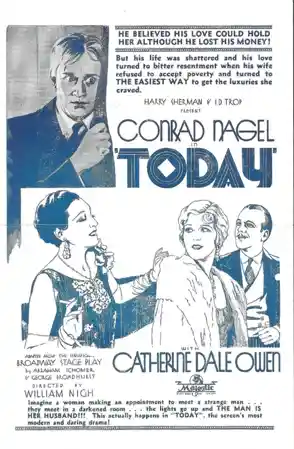
You can almost feel the movie trying to convince you this moment matters, like, *really* matters. It's a very earnest film, even if it sometimes trips over its own dramatic weight.
There’s a small, almost throwaway moment where Fred, after losing everything, still tries to hold onto a single, expensive-looking fountain pen. It’s a tiny detail, but it speaks volumes about how hard it is to let go of a certain kind of life.
Overall, Today is a stark, sometimes grueling watch. It's a melodrama through and through, without much pretense. It’s a fascinating window into how such intense themes were presented on screen back then.
IMDb 6.6
1916
Community
Log in to comment.