DbcultAccessing Vault...
5.8/10
Senior Film Conservator
A definitive 5.8/10 rating for a film that redefined the boundaries of cult cinema. Kara-bugaz remains a cornerstone of transgressive art.
If you have seventy minutes and a weird interest in how people used to harvest chemicals in the desert, then yeah, Kara-bugaz is for you.
Most people will find it incredibly dry. Literally.
It is a movie about salt. Specifically, it is about the Kara-Bogaz-Gol bay and the struggle to turn it into an industrial win for the Soviets back in the 30s.
I watched this on a Tuesday and I still feel like I need a glass of water.
The first thing you notice is the heat. You can almost feel the sun coming through the screen and burning your forehead.
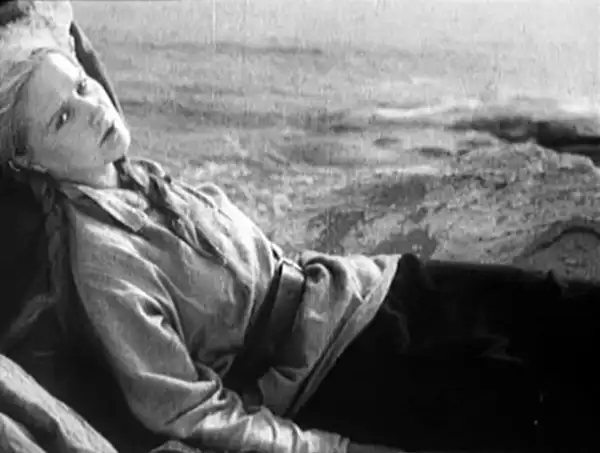
It’s a 1935 film, so the black and white looks very high-contrast. The white salt flats look like snow, but you know it’s actually blistering hot.
The actors, like Aleksandra Vasilyeva, look like they are actually melting. Their clothes are dusty and their faces have that specific kind of squint people get when there is too much light.
It’s not a "fun" movie. But it’s a thick movie. You can feel the weight of the air.
The film doesn't really have a "star" in the way we think of them now. Everyone is just part of the machine.
N. Radischev and Zaki Bayazedskiy show up and they look so sincere it’s almost painful. They really seem to believe in the salt.
There is a scene where a guy is talking about the future of the bay. He looks like he’s seeing a ghost, but he’s just seeing a factory that hasn't been built yet.
I noticed the hats. The hats in 1930s Soviet films are always so specific.
One guy wears a cap that seems to be two sizes too small for his head. It kept distracting me from the dialogue, which is already pretty slow.
The director, Aleksandr Razumnyj, seems obsessed with the ground. There are lots of close-ups of salt crystals and sand dunes.
The camera hangs on these white salt flats for way too long. Sometimes it feels like the movie forgot to move on.
It reminds me of the emptiness you see in Deadwood Pass, but without the fun of a shootout. It's just... emptiness with a purpose.
There are these long pauses where people just stare at the horizon. I wonder if they were waiting for a cue or if they were just actually tired of the sun.
The sound is a bit scratchy, which adds to the feeling of being in a desert. Or maybe it’s just the old print.
I liked the bits where they show the local people and their camels. The camels look much more relaxed than the engineers.
There’s a part where the wind blows and you can almost feel the grit in your teeth. It’s way more interesting than something like Penny of Top Hill Trail because it feels like it’s actually about something physical.
Even if that something is just Glauber's salt. Which apparently is very important for making glass and soap.
The music is very "1930s dramatic" and comes in at weird times. I think I liked the silent parts better because the wind is a better soundtrack for this kind of place.
It feels lonely. Like, really lonely.
If you like Wrestling Swordfish for the weird nature vibes, you might get a kick out of this. But mostly it’s for people who want to see a world that doesn’t exist anymore.
A world where people thought they could conquer the desert with enough shovels and enthusiasm. It’s a bit sad, actually.
Anyway, I'm glad I watched it once. I don't think I'll watch it again soon.
My eyes hurt from all the white salt on the screen. 🌵🧂

IMDb 6.1
1931
Community
Log in to comment.