Is this film worth watching today? Short answer: yes, but with significant caveats. Tragödie is a somber, often brutal journey into the destructive power of societal judgment and personal betrayal, a film that will resonate deeply with those who appreciate stark, character-driven silent dramas and are prepared for a relentlessly bleak narrative. However, it is decidedly not for viewers seeking lighthearted entertainment, fast pacing, or a story with any semblance of redemption.
The Unyielding Grip of Melodrama: Plot and Themes
Walter Wassermann and Fred Sauer’s screenplay for Tragödie plunges us into a world where reputation is everything and a woman’s past can be weaponized with devastating efficiency. The film’s narrative centers on Countess Maria, a renowned stage actress whose life is meticulously ordered until a ghost from her past, a frivolous poet, reappears. His threat to publish old love letters forces Maria into a desperate attempt to retrieve them, leading her into a compromising situation at a wild bacchanal. This single misstep unravels her entire existence.
The thematic core of Tragödie is a scathing indictment of societal hypocrisy and the double standards applied to women. Maria’s initial professional success and social standing are built on a fragile foundation, easily shattered by scandal. Her husband, Count Tamar, embodies the rigid moral code of the era, prioritizing public image over marital fidelity or understanding. His swift decision to divorce her and separate her from their child is not merely a personal betrayal but a chilling reflection of how easily a woman could be cast out and stripped of her identity.
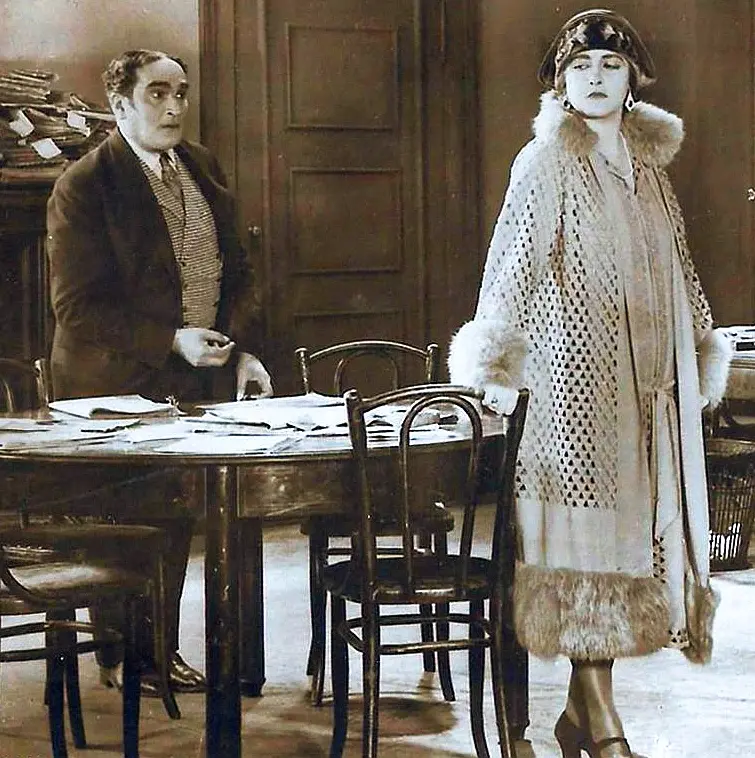
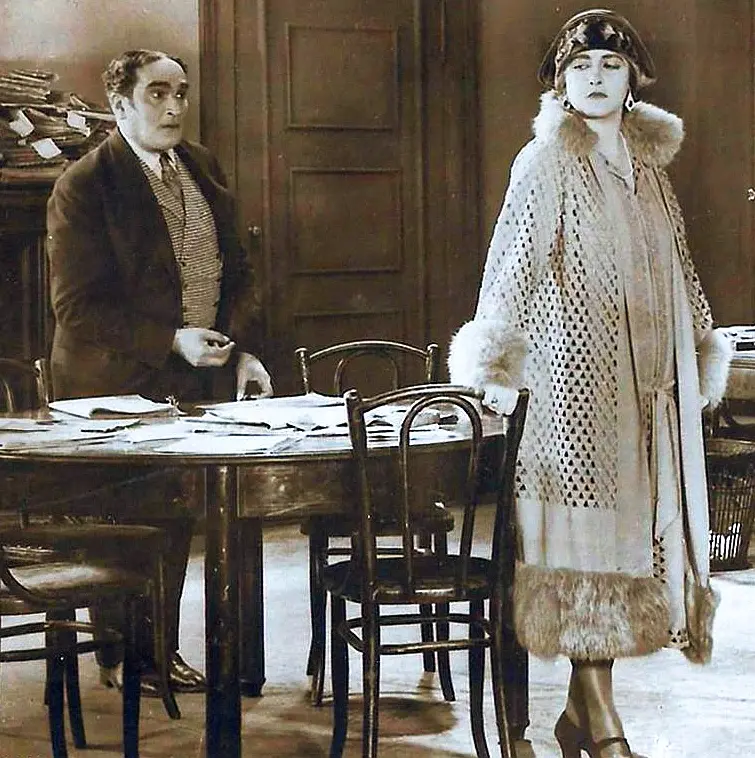
Scene from Tragödie
Cinematic perspective: Exploring the visual vocabulary of Tragödie (1925) through its definitive frames.
What makes this film work so powerfully, despite its age, is its unwavering commitment to depicting the crushing weight of this societal judgment. It doesn't shy away from the bleakness, presenting Maria's descent with a stark realism that transcends the often-theatrical nature of silent film. The tragedy is not just in her loss, but in the absolute finality of it – there is no escape, no redemption, only a relentless march towards despair.
A Star's Burden: Henny Porten's Performance
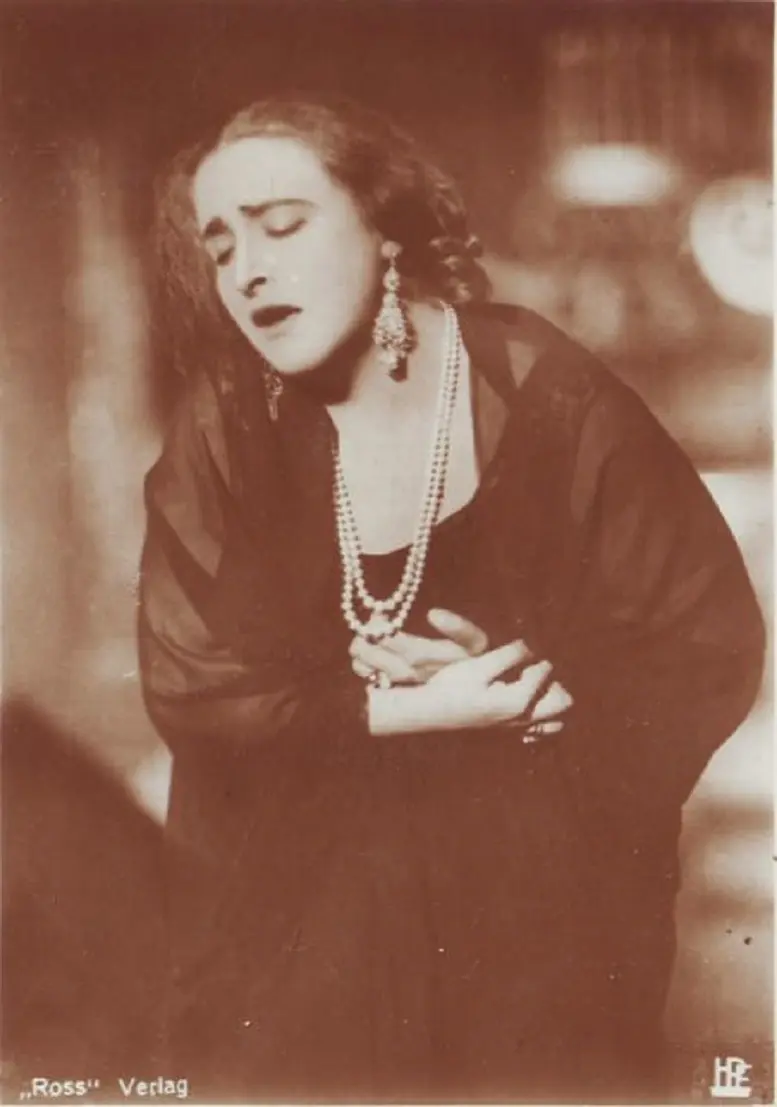
At the heart of Tragödie lies Henny Porten’s tour-de-force performance as Countess Maria. Porten, a colossal star of German silent cinema, delivers a masterclass in emotional expression, carrying the film’s immense dramatic weight almost single-handedly. Her portrayal is a testament to the power of non-verbal acting, utilizing every nuanced gesture and facial contortion to convey Maria’s internal turmoil.
From the initial shock and desperation when confronted with the blackmail letters to her gradual, heartbreaking collapse, Porten’s performance is utterly captivating. Observe her subtle shifts in posture when Maria first visits the poet’s house; the way her shoulders slump, the hesitant glances, betraying a deep unease even before the full extent of the bacchanal is revealed. Later, her silent screams of anguish, her physical deterioration, and the vacant stare in her eyes as she loses everything, are profoundly affecting.
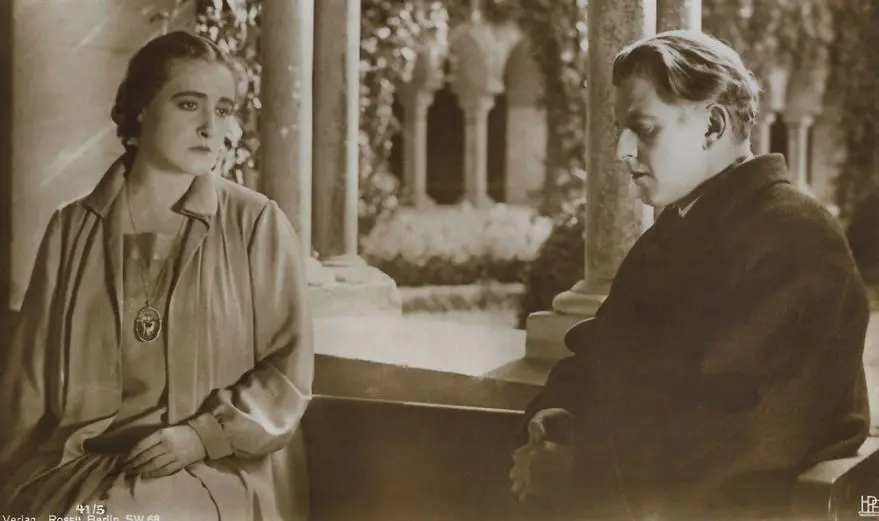
Scene from Tragödie
Cinematic perspective: Exploring the visual vocabulary of Tragödie (1925) through its definitive frames.
Porten doesn't just act; she embodies suffering. There’s a particular scene where, after the divorce, she tries to find work, only to be rejected repeatedly. Her slow, defeated walk away from each theater, head bowed, speaks volumes about her lost dignity and professional identity. It’s a performance that rivals the emotional intensity seen in other silent film greats, perhaps even surpassing some by its sheer, unadulterated vulnerability. She makes Maria’s plight feel agonizingly real, elevating the melodrama into something genuinely profound.
Walter Janssen, as Count Tamar, provides a chilling counterpoint to Porten's raw emotion. His performance is characterized by an almost icy stoicism, a rigid adherence to social codes that makes his betrayal of Maria feel even more brutal. Robert Scholz, as the frivolous stage poet, embodies a sneering, self-serving villainy that is both despicable and unfortunately, entirely believable. Their performances, while less central, effectively amplify Maria's isolation and despair.
The Craft of Tragedy: Direction and Cinematography
Fred Sauer’s direction in Tragödie is a study in deliberate, measured pacing designed to amplify the emotional impact. He employs a visual style that, while not overtly expressionistic, uses composition and lighting to underscore the film’s somber tone. The contrast between the elegant, ordered world of Countess Maria’s early life and the chaotic, dimly lit bacchanal scene is particularly effective. The latter sequence, with its swirling figures and shadows, feels like a descent into a moral abyss, perfectly mirroring Maria’s impending ruin.
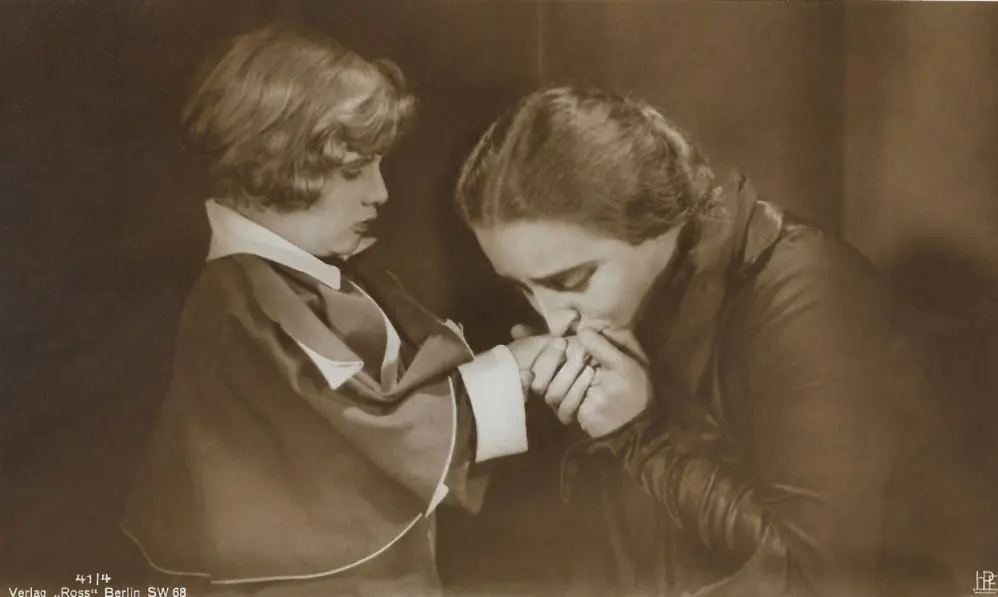
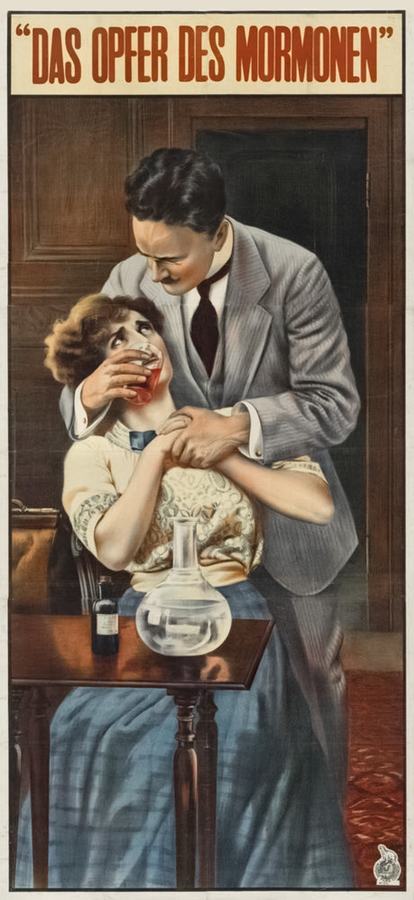
Scene from Tragödie
Cinematic perspective: Exploring the visual vocabulary of Tragödie (1925) through its definitive frames.
Sauer frequently uses close-ups on Porten’s face, allowing her expressive acting to dominate the frame and communicate the depths of Maria’s despair directly to the audience. These moments are crucial, forging an intimate connection between character and viewer that bypasses the need for intertitles. The cinematography, while not groundbreaking for its era, is competent and serves the narrative well, focusing on clarity and emotional emphasis rather than flashy technical prowess.
There's an interesting use of space and blocking, particularly in scenes of confrontation. When Count Tamar confronts Maria, the physical distance or proximity between them speaks volumes about their emotional chasm. The camera often lingers, allowing the weight of the moment to settle, a directorial choice that contributes significantly to the film’s slow, deliberate rhythm.
Pacing and Tone: A Slow Descent
The pacing of Tragödie is undeniably slow by modern standards. This is a film that takes its time, allowing scenes to breathe and emotions to simmer. For some contemporary viewers, this deliberate rhythm might feel laborious, even frustrating. However, it is also integral to the film’s power. The slow burn of Maria’s downfall, the protracted suffering, is what makes the tragedy feel so profound and inescapable.
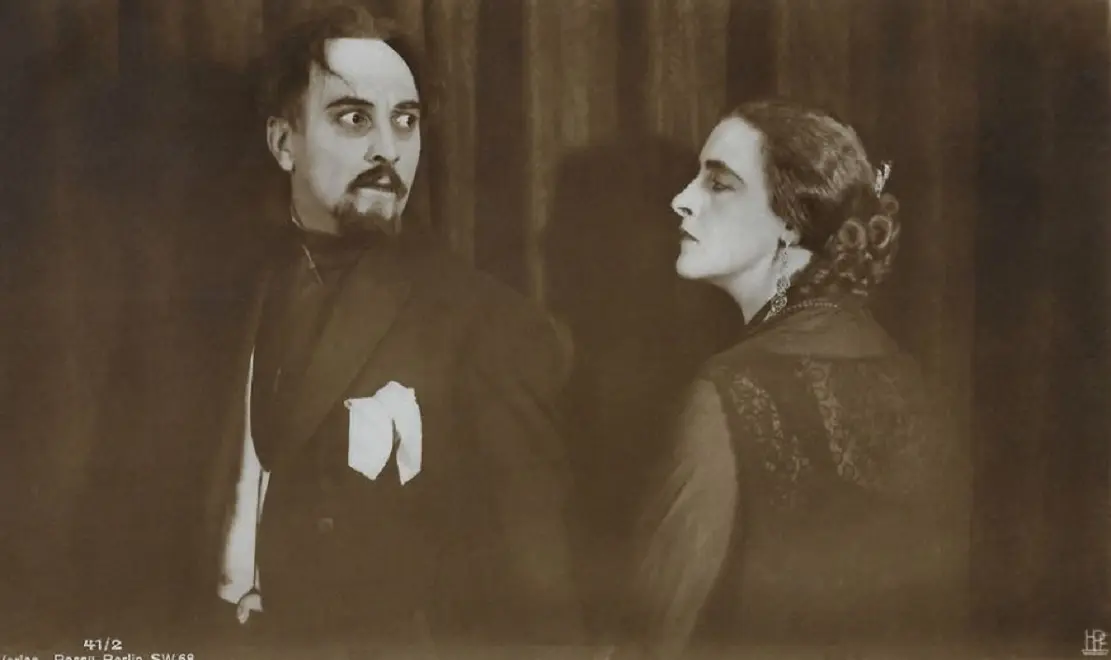
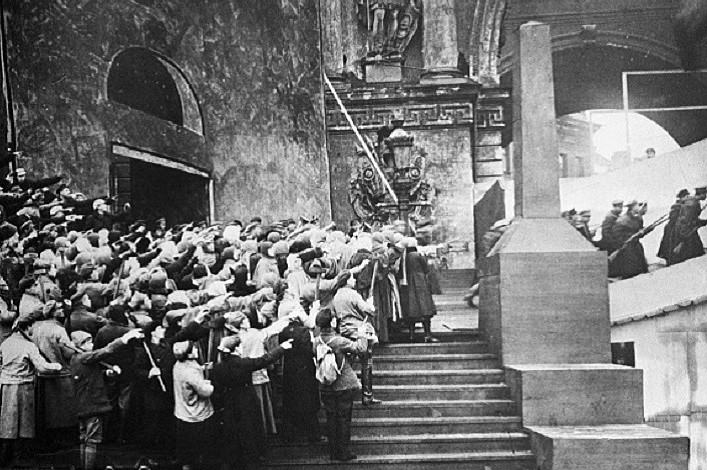
Scene from Tragödie
Cinematic perspective: Exploring the visual vocabulary of Tragödie (1925) through its definitive frames.
The tone is relentlessly bleak. From the moment the blackmail is introduced, there is a palpable sense of impending doom that never truly lifts. This isn't a film that offers moments of levity or hope; it is a dedicated exploration of human suffering and the devastating consequences of societal condemnation. While this unyielding commitment to tragedy can be emotionally exhausting, it also ensures that the film leaves a lasting, impactful impression. It works. But it’s flawed.
One unconventional observation is how the film's slow pace and unremitting sorrow, rather than alienating, can draw you deeper into Maria's psychological state. It forces the audience to inhabit her despair, making the final moments all the more poignant. This isn't escapism; it's an immersion into a character's crushing reality.
Is This Film Worth Watching?
This film works because it masterfully portrays the crushing weight of societal judgment through Henny Porten's raw, vulnerable performance, anchoring a melodramatic plot with genuine human suffering.
Scene from Tragödie
Cinematic perspective: Exploring the visual vocabulary of Tragödie (1925) through its definitive frames.
This film fails because its pacing can feel glacially slow by modern standards, and its unwavering commitment to tragedy, while thematically potent, can become emotionally exhausting without offering much catharsis.
You should watch it if you are a dedicated student of early German cinema, intrigued by the exploration of moral hypocrisy, or a fan of silent film acting at its most expressive.
Yes, Tragödie is worth watching for specific audiences. It is a significant piece of German silent cinema, showcasing the immense talent of Henny Porten. Its exploration of social injustice and the plight of women in a patriarchal society remains relevant. However, be prepared for its challenging pace and its deeply melancholic tone. It is a tough watch.
Key Takeaways
Best for: Fans of silent film history, those interested in early feminist themes in cinema, and admirers of powerful, character-driven performances.
Not for: Viewers seeking fast-paced entertainment, lighthearted narratives, or stories with a hopeful resolution.
Standout element: Henny Porten's profoundly moving and expressive performance as Countess Maria, which anchors the entire film.
Biggest flaw: The extremely slow pacing and relentless tragic tone, which can be difficult for contemporary audiences to endure without a break.
Pros and Cons
Pros:
Exceptional Acting: Henny Porten delivers one of her most memorable and emotionally resonant performances, a true masterclass in silent film acting.
Powerful Social Commentary: The film offers a stark and unflinching look at societal hypocrisy, gender inequality, and the destructive power of reputation.
Atmospheric Direction: Fred Sauer effectively uses composition and lighting to create a somber, immersive atmosphere that enhances the tragic narrative.
Historical Significance: A valuable artifact of early German cinema, demonstrating the narrative sophistication of the era.
Cons:
Challenging Pacing: The film's deliberate, slow rhythm can be a significant hurdle for modern viewers accustomed to faster narratives.
Relentless Bleakness: The unwavering tragic tone offers little emotional respite, which can be emotionally draining.
Limited Accessibility: As a silent film, it requires a certain level of engagement and patience that not all viewers possess.
Melodramatic Excess: While handled well by Porten, some elements of the plot lean heavily into melodrama that might feel dated to some.
Verdict
Tragödie is not an easy film to recommend universally, nor is it a forgotten gem waiting to be rediscovered by the casual viewer. It is, instead, a significant and emotionally potent piece of early German cinema that demands patience and a willingness to engage with its challenging themes and pacing. Its power lies almost entirely in Henny Porten’s breathtaking performance, which elevates what could have been a standard melodrama into a searing portrait of a woman’s undoing.
For those who appreciate the artistry of the silent era, particularly its dramatic capabilities, Tragödie offers a rich and rewarding experience. It provides a stark contrast to more celebrated works like Hamlet (1917) or even the lighter fare of films like The Inn of the Blue Moon, showcasing a darker, more critical side of early 20th-century storytelling. It’s a film that stays with you, not for its joy, but for its profound sorrow and its unflinching gaze into the abyss of human cruelty and societal judgment.
Ultimately, Tragödie is a film that succeeds in its ambition to portray tragedy in its purest, most unadulterated form. It’s a powerful, albeit somber, testament to the enduring expressive power of silent film and the magnetic presence of its greatest stars. Watch it if you dare to face its despair head-on; you might find it hauntingly beautiful.