DbcultAccessing Vault...
7.3/10
Senior Film Conservator
A definitive 7.3/10 rating for a film that redefined the boundaries of cult cinema. The Wrestler remains a cornerstone of transgressive art.
Is The Wrestler worth watching today? Short answer: yes, but with a crucial caveat. This early silent comedy, a charming relic from 1914, offers a fascinating glimpse into the nascent stages of cinematic storytelling and physical humor. It's a film for those who appreciate the historical context of cinema, the simple elegance of silent-era gags, and the sheer audacity of a plot driven by accidental heroism.
However, if your viewing habits lean exclusively towards modern blockbusters, intricate narratives, or films with contemporary pacing, then The Wrestler is decidedly not for you. Its humor is broad, its performances exaggerated by necessity, and its technical execution, while pioneering for its time, will feel rudimentary to an uninitiated eye. This is a film best approached with an open mind and a fondness for cinematic archaeology.
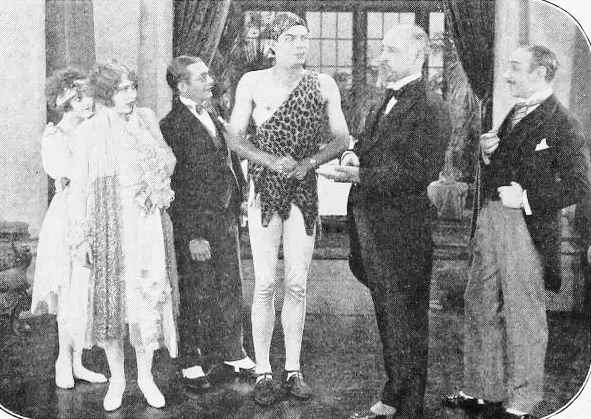
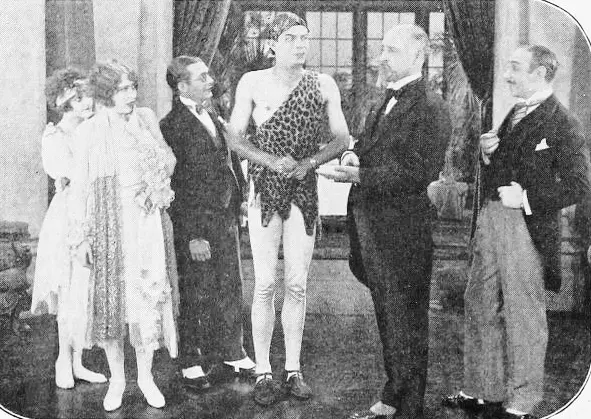
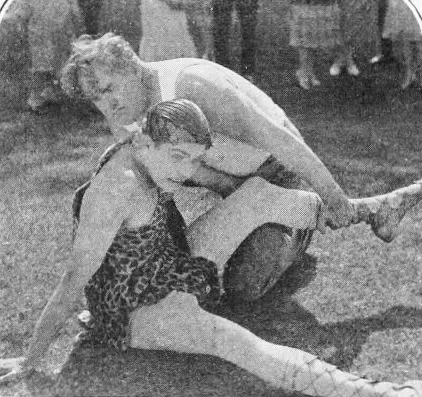
The premise of The Wrestler is its most enduring strength: a dandy, Van Bibber (Frank Beal), repeatedly stumbles into victory through no skill of his own. It’s a delightful inversion of the typical hero’s journey, one that finds its comedy in the sheer improbability of its protagonist’s success. The film doesn't ask us to believe Van Bibber is a skilled fighter; it asks us to marvel at the universe’s bizarre conspiracy to make him one.
The opening sequence on the train, where Van Bibber’s initial triumph over a burly wrestler is attributed to the vehicle’s violent lurching, is a masterclass in early cinematic slapstick. Imagine the exaggerated falls, the wide-eyed confusion of Beal, and the subsequent bewildered adoration of Carol Wines’ dancer character. It’s a simple gag, but it establishes the film’s comedic engine immediately.
Here are three succinct observations about The Wrestler:
Frank Beal, as Van Bibber, carries the film on his shoulders, or perhaps, more accurately, on his bewildered face. In silent cinema, every emotion, every reaction, had to be writ large. Beal’s portrayal of the reluctant hero likely relied on a repertoire of wide-eyed astonishment, nervous fidgeting, and an almost comical lack of physical prowess. His transformation from a 'wealthy fashion plate' to an accidental wrestling sensation would have been conveyed through sartorial contrast and increasingly disheveled appearances, highlighting the comedic clash between his true nature and his imposed reputation.
The supporting cast, including Carol Wines as the enamored dancer and Earle Foxe as the jealous Duke, would have played their roles with similar theatricality. Wines' character, the source of Van Bibber's initial predicament, would likely have expressed her devotion through dramatic gestures and longing glances, bordering on caricature. Foxe's Duke, the villain of the piece, would undoubtedly have embodied silent-era villainy: sneering, plotting, and radiating palpable jealousy, his every movement designed to convey his nefarious intent without uttering a single word. Their performances are less about nuanced character development and more about fulfilling archetypal roles within the comedic framework.
Directing a silent comedy like The Wrestler required a keen understanding of visual storytelling. The director would have had to meticulously choreograph the physical gags, ensuring that the 'lurching of the train' was not just described by an intertitle, but dynamically felt on screen. This would involve specific camera movements – perhaps a shaky frame, or actors deliberately stumbling – to convey the chaos. The 'weirdest breaks of good luck' in the final match against Strangler Stransky would have demanded inventive staging: perhaps a strategically placed banana peel, a loose rope, or even a sudden, inexplicable gust of wind. These moments are the film's lifeblood, requiring precise timing and clear visual cues.
Cinematography in 1914 was still in its infancy, often characterized by static cameras and wide shots. However, even within these constraints, a director could emphasize comedic moments through careful blocking and the use of close-ups for key reactions. Imagine a tight shot on Van Bibber’s face as he realizes he’s *won* again, a mix of terror and disbelief. This kind of visual emphasis would have been crucial for landing the jokes. The film likely employed simple, clear framing to ensure the audience could follow the physical antics without confusion, a fundamental principle of early narrative cinema.
The pacing of The Wrestler, like many films of its era, would likely feel deliberate, even slow, to a modern audience. Silent films relied on longer takes and less rapid-fire editing than we are accustomed to today. The humor unfolds at a more leisurely pace, allowing the audience to absorb the visual gags and the exaggerated reactions. This isn't a film that rushes its jokes; it savors them.
The tone is undeniably lighthearted and farcical. There's no deep psychological drama here, no complex moral dilemmas. It’s pure escapist entertainment, designed to elicit chuckles and gasps of disbelief at Van Bibber’s uncanny luck. The film revels in its silliness, creating a world where incompetence can, against all odds, lead to glory. It’s a testament to the era’s desire for unpretentious, accessible amusement. I would argue that its unpretentious nature is precisely what gives it a unique charm, distinguishing it from the often overly earnest dramatic features of the time. It doesn't try to be profound; it just wants to make you smile. And for an early silent film, that’s a surprisingly ambitious goal.
Absolutely, but with the right mindset. For film historians, students of early cinema, or anyone with a genuine curiosity about how movies evolved, The Wrestler is an invaluable artifact. It showcases foundational comedic techniques, character archetypes, and narrative structures that would influence decades of filmmaking. It’s a window into a bygone era of entertainment, offering insights into what audiences found amusing over a century ago.
However, it would be disingenuous to suggest it offers the same kind of immediate, visceral entertainment as a contemporary film. The lack of sound, the exaggerated acting, and the slower pace require an adjustment from the viewer. It's a film that demands patience and an appreciation for its historical context rather than instant gratification. Consider it less a thrilling ride and more a charming, slightly creaky historical tour. It works. But it’s flawed.
An unconventional observation: The Wrestler, in its portrayal of an undeserving hero, inadvertently critiques the very notion of fame and public perception. Van Bibber becomes a celebrated figure not for skill, but for circumstance, highlighting the arbitrary nature of heroism in the public eye. It's a surprisingly meta commentary for a 1914 comedy.
The Wrestler is more than just a forgotten film; it's a delightful, if rudimentary, piece of cinematic history. Its charm lies in its unapologetic embrace of farce and its commitment to the absurd. While it won't be for everyone, particularly those unaccustomed to the unique rhythm and performance styles of the silent era, it offers a valuable and surprisingly humorous look at the origins of screen comedy. It's a testament to the enduring appeal of the accidental hero, a trope that continues to resonate even a century later. If you approach it not as a blockbuster, but as a quaint, historical curiosity with a genuine comedic heart, you might just find yourself charmed by Van Bibber’s preposterous triumphs. It’s not a masterpiece, but it’s an important stepping stone, and for that alone, it deserves a viewing from the truly curious.
IMDb 1.6
1935
Community
Log in to comment.