DbcultAccessing Vault...
Cult Review
Senior Film Conservator
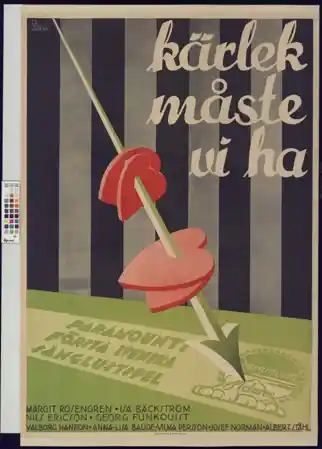
You know, for a movie from 1936, Kärlek måste vi ha (which translates to 'Love We Must Have' or 'We Must Have Love' — quite a title!) is a bit of a mixed bag. If you're a fan of vintage Swedish cinema, especially those gentle comedies, then yeah, give it a shot. It’s got that old-school charm that’s hard to replicate. But if you’re hoping for something that moves fast or really says something profound, you might find yourself checking your watch. 🕰️ It's very much a product of its era, for better or worse.
The core idea is pretty simple: Olivia and Charles Dangerfield, our main couple, hit a rough patch financially. So they have to rent out their big, beautiful home. And who moves in? Mrs. Falkner, a newly rich widow. You can just feel the class tension simmering from the get-go.
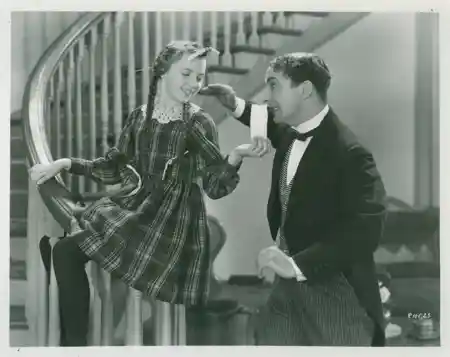
Margit Rosengren as Olivia is quite the presence. She carries herself with this almost regal air, even when things are clearly going sideways. There's a scene where she's trying to pretend everything is fine, even as she's packing up her own possessions, and it’s just this perfect blend of pride and quiet desperation. You really feel for her, like.
Nils Ericson, playing Charles, has this slightly bewildered look through most of it. Like he’s just wondering how they got into this mess. His attempts to be stern or authoritative often just come off as a bit flustered, which is pretty endearing actually. He’s not a bad guy, just a bit out of his depth.
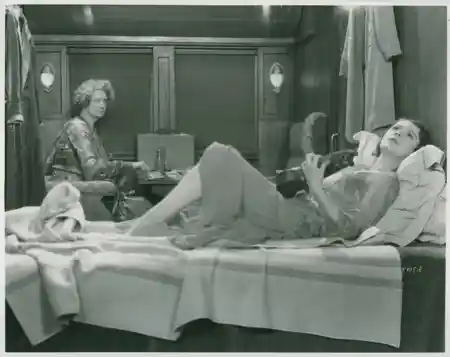
Mrs. Falkner, played by Anna-Lisa Baude, is the real scene-stealer. She’s not subtle. Not one bit. Her clothes are a little too loud, her laugh a little too booming. But she’s also got this underlying vulnerability that peeks through sometimes. Like when she’s trying to impress people who clearly look down on her. It’s a messy character, but surprisingly real in a way.
There's this one moment – it really sticks with me – where Mrs. Falkner is rearranging the Dangerfield's ancestral portraits. She moves one of them to make space for a very modern, almost gaudy vase. The way Olivia reacts, just a tiny flinch, no words, but you see it all in her eyes. It's a small thing, but it tells you everything about their different worlds. 🖼️
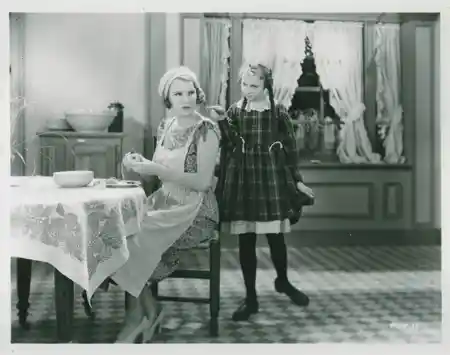
The pacing is… well, it’s 1936. Things take their time. A conversation that today might be two quick lines stretches out, allowing you to really soak in the awkward pauses. Sometimes it works, like in those moments of subtle character interaction. Other times, you just wish someone would speed things up a touch. You know?
The dialogue is often quite witty, but in a very polite old-fashioned way. No one is really rude, even when they’re clearly annoyed. It’s all about veiled insults and pointed compliments. You have to listen carefully to catch the real meaning sometimes. 🧐
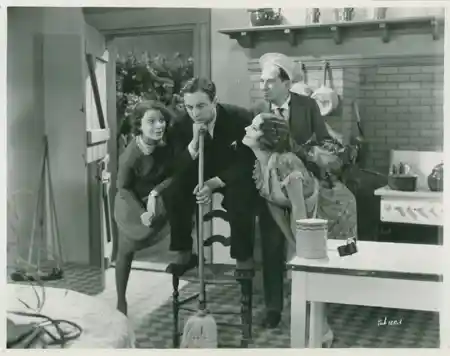
I found myself thinking about how much society has changed, but also how some things just don't. The fear of losing status, the awkwardness around new money versus old money – that's still around, isn't it? Though maybe not with quite as many drawn-out tea scenes.
The sets are pretty lush, too. The Dangerfield home really feels like it's been in the family for generations. Lots of dark wood and heavy curtains. Then Mrs. Falkner brings in her bright, new, slightly garish things, and it creates this visual tension that really works. It’s not flashy, but it shows rather than tells.
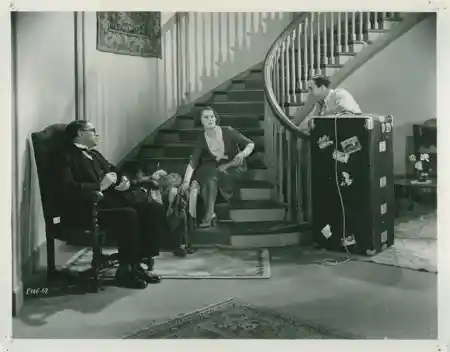
There's a subplot with some of the supporting characters, like a young couple perhaps, but it doesn’t quite land with the same emotional punch as the main story. It feels a bit like filler, to be honest. Like they needed to pad out the runtime a little. Not bad, just… there.
The ending feels a little bit tidy, a little too neat. After all that subtle class friction, it resolves things in a way that feels expected for the era. But hey, it's a romantic comedy at heart, so maybe that's what audiences wanted then. 😊
The sound quality isn't perfect, of course. Sometimes the background music swells a bit too loudly over the dialogue. But it adds to the vintage feel, I suppose. Makes you appreciate how far sound engineering has come.
It's not some grand cinematic statement, no. But it's a pleasant enough watch if you go in with the right expectations. A little window into a different time, a different rhythm of storytelling. It reminds you that sometimes, even a 'small' movie can have its own quiet charm. And sometimes, that's enough.
IMDb 7
1922
Community
Log in to comment.