DbcultAccessing Vault...
6.3/10
Senior Film Conservator
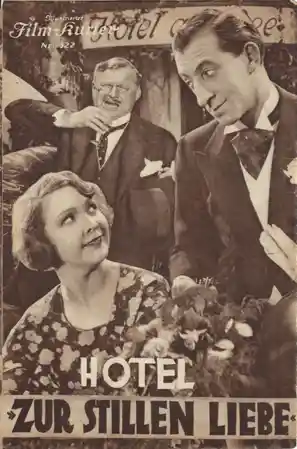
A definitive 6.3/10 rating for a film that redefined the boundaries of cult cinema. Keine Feier ohne Meyer remains a cornerstone of transgressive art.
Alright, so if you’re into old silent films, the kind with big expressions and even bigger misunderstandings, then Keine Feier ohne Meyer might be a fun afternoon watch. It’s definitely not for folks who need fast edits or sound effects beyond a piano score, obviously. But if you’ve got a soft spot for the absurd romantic comedies of the 1920s, you’ll probably find some real chuckles here. If the idea of watching a film from almost a hundred years ago with no dialogue makes you groan, then yeah, skip this one. You’ll be bored stiff.
The whole setup is just *so* delightfully silly. Meyer, played by Gaston Briese, runs this office that’s like a one-stop shop for love and its messy aftermath. Need to get married? Meyer’s your man. Need a divorce? Also Meyer. It’s a pretty clever little concept, right off the bat.
His own love life, though? That’s where the real fun starts. Meyer is head-over-heels for Elsa (Dina Gralla), who, unbeknownst to him, is actually in love with his best friend. And then the best friend, completely clueless about Meyer’s feelings or Elsa’s true affections, hires Meyer to help him secure Elsa’s hand, because her father isn’t too keen on the match. It's like a comedic snowball rolling downhill, picking up more confusion as it goes.
Gaston Briese as Meyer really sells the whole thing. He’s got this wonderfully earnest, almost frantic energy. You can see the wheels turning (or perhaps, spinning out) in his head as he tries to navigate these increasingly awkward situations. There’s a scene where he’s trying to advise the best friend on how to woo Elsa, and you just know, *you just know* he’s giving advice that’s secretly meant to sabotage things, but he can’t really help it. The conflict on his face is priceless. 😂
Dina Gralla’s Elsa is quite charming. She’s not just a prop in this whole mess. She’s got her own feelings, even if they’re getting tossed around by the men folk. Her exasperated looks at her father, played by Ernst Behmer, are some of the best bits. Behmer, by the way, is fantastic as the disapproving dad. He’s all bluster and arm-waving, exactly what you want from a silent film patriarch.
One particular sequence involves Meyer trying to orchestrate a 'chance' meeting between Elsa and the best friend, but things go wrong. It involves a *lot* of slamming doors and people narrowly missing each other in corridors. It feels a bit like a stage play sometimes, with everyone just missing their cues perfectly for maximum comedic effect. The timing for these physical bits is surprisingly sharp.
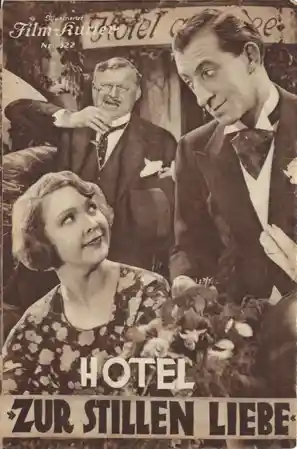
The intertitles, you know, those text cards, are pretty good here. They keep the story moving without over-explaining everything. Some of them are genuinely witty, which helps a lot. It’s easy for silent film intertitles to be just functional, but these have a little extra spice.
I found myself wondering about the fashion sometimes. There’s a hat Meyer wears in one scene, kind of a fedora but slightly off-kilter, that just perfectly sums up his whole character: trying to be suave but just a *little* bit out of sync. These small visual details really add to the experience.
The pacing is pretty steady for a silent film. It doesn’t drag too much, which is a common pitfall. The misunderstandings just keep piling up, and you’re waiting to see how they’ll all unravel. It reminds me a bit of the sheer energy in some of the early American comedies, like those with Charlie Chaplin, though this feels a touch more grounded in a domestic kind of chaos.
Now, while it’s a fun ride, don’t expect any deep philosophical musings. This is pure, unadulterated comedic escapism. It’s not trying to be Juno and the Paycock or something with heavy drama. It’s just here to make you smile, maybe even laugh out loud at the absurdity of it all. And it does that job pretty well.
The ending ties everything up in a neat little bow, as these films often do. It’s satisfying to see everyone end up where they probably should, even if it takes a convoluted path to get there. There’s a moment of clarity for Meyer where he realizes the whole situation, and his reaction shot is just *gold*. You can see the embarrassment and resignation wash over him in a single, exaggerated facial expression.
So, yeah. If you’re in the mood for some old-school laughs and appreciate the craft of silent filmmaking, give Keine Feier ohne Meyer a look. It’s a delightful little forgotten gem that proves a good premise and energetic performances can really hold up.
IMDb —
1922
Community
Log in to comment.