DbcultAccessing Vault...
6.8/10
Senior Film Conservator
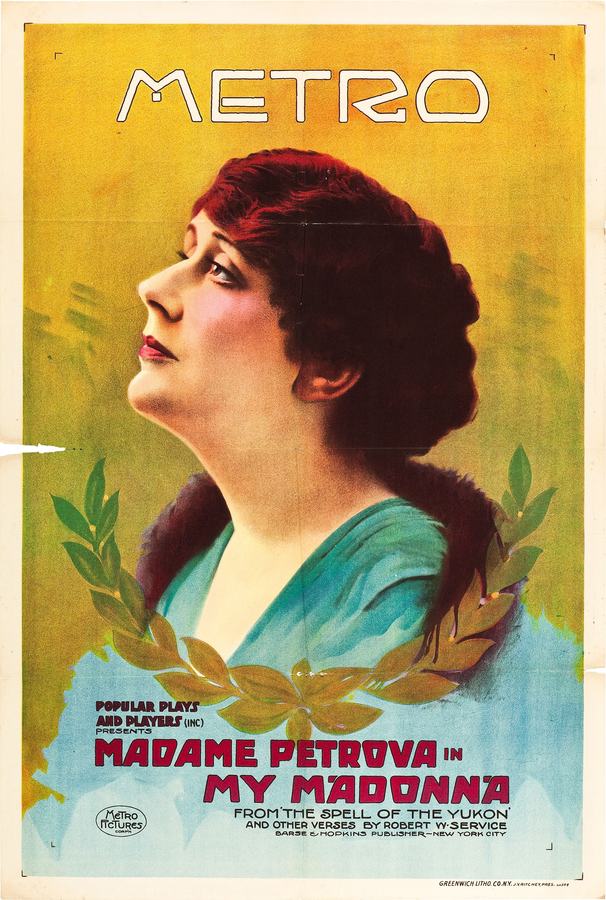
A definitive 6.8/10 rating for a film that redefined the boundaries of cult cinema. My Madonna remains a cornerstone of transgressive art.
In the grand tapestry of early cinema, few narratives weave together the threads of artistic aspiration, profound romance, societal machinations, and the stark realities of justice with the intricate elegance found in My Madonna (my-madonna). This isn't merely a film; it's a sprawling fresco of human experience, a melodrama that transcends its era to speak to timeless truths about inspiration, integrity, and the redemptive power of unwavering affection. From the initial spark of an artist's divine vision to the ultimate, poignant reunion, the journey presented here is one of exquisite highs and devastating lows, all painted with a brushstroke of dramatic intensity that keeps the viewer captivated.
Our story commences with Robert, an artist whose material poverty stands in stark contrast to the immense wealth of his inner world. He is a man consumed by an almost spiritual yearning, haunted by the elusive image of a perfect Madonna—a divine feminine ideal that demands manifestation. This isn't merely a creative impulse; it's an existential imperative. The film deftly portrays the artist's struggle, the often-futile search for a muse capable of embodying such an elevated concept. It's a universal struggle, one that resonates deeply with anyone who has ever pursued an ideal with unyielding fervor. This quest, initially fruitless, sets the stage for a pivotal encounter that will irrevocably alter the course of Robert’s life and art.
Enter Lucille, a figure from the demimonde, whose beauty is as striking as her circumstances are complex. She is not the conventional, saintly model one might expect for a Madonna; her very presence challenges preconceived notions of purity and inspiration. Yet, it is precisely this unexpected connection that makes their story so compelling. Lucille, drawn by the authenticity and raw talent of the shabby artist, makes a profound choice, forsaking her fashionable, perhaps superficial, acquaintances to become Robert's muse. This act of devotion, of seeing beyond superficiality to the soul of the artist, forms the bedrock of their burgeoning love. As Robert paints, channeling his vision through Lucille's form, their bond deepens, culminating in a masterpiece that is as much a testament to their love as it is to Robert's artistic genius. The depiction of their collaborative process, even if implied through narrative rather than explicit visual detail, speaks volumes about the synergistic power of shared passion. Lucille's subsequent, clandestine act of selling the painting—an act of selfless love designed to bring Robert the recognition and fortune he deserves—is a pivotal moment, showcasing her deep commitment and foresight. It’s a move that echoes the quiet strength of heroines in films like Gambier's Advocate, where female characters often take decisive, impactful actions behind the scenes.
The instant success and wealth that follow the sale of 'My Madonna' initially seem like a blessing. Robert and Lucille marry, ostensibly securing their happiness. However, the film brilliantly, and tragically, portrays the insidious nature of newfound prosperity. Robert, once humble and passionately devoted, begins to drift. His affections cool, lured by the superficial glitter of high society. The Baroness, a woman of the world, becomes his new fixation, a symbol of the very social circles Lucille abandoned for him. This shift in Robert's character is a powerful commentary on the corrupting influence of wealth and fame, a theme explored with similar gravitas in films like Der Lumpenbaron, where societal status often dictates moral compass. Robert’s growing indifference to Lucille, the very woman who inspired his greatest work and engineered his success, is a heartbreaking betrayal, highlighting the fragility of human devotion when confronted with the temptations of vanity and social climbing.
The plot thickens with the introduction of the Baron, the Baroness's husband. A man of casual indifference to his own wife, he harbors a past connection with Lucille, recognizing her from her demimonde days. His delight at Robert's interest in the Baroness is chillingly opportunistic; he views it as a strategic leverage point, a means to reignite his own pursuit of Lucille. This intricate web of relationships—Robert's infatuation, the Baroness's vanity, the Baron's manipulative desires, and Lucille's quiet heartbreak—creates a simmering tension that foreshadows inevitable catastrophe. The film expertly builds this sense of impending doom, demonstrating how easily human frailties and desires can entangle lives in unforeseen ways. It’s a dance of deception and misguided affection, a precursor to the dramatic turn the narrative is about to take.
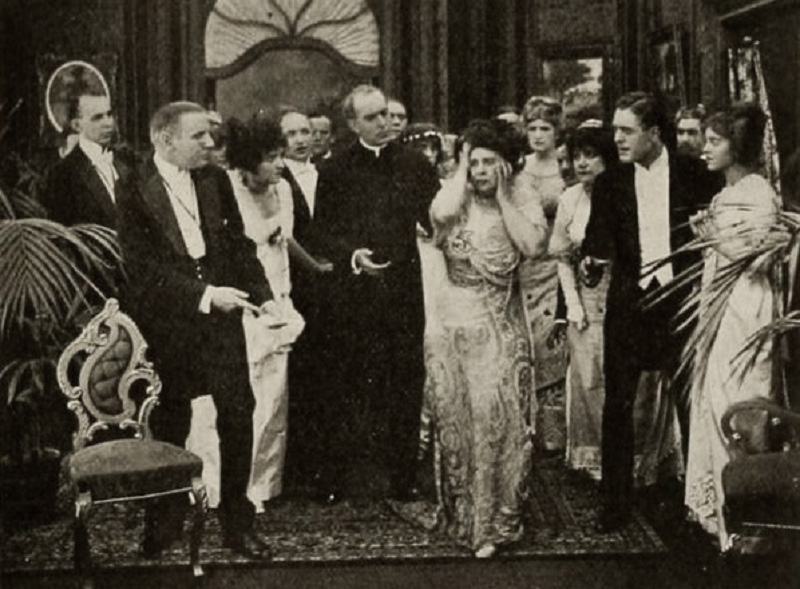
The narrative plunges into profound darkness when Robert arrives for an appointment at the Baron's house, only to stumble upon a gruesome scene: the Baron lying dead, a victim of a workman he had wronged. In a moment of fatal misjudgment, Robert picks up the murder weapon, just as the Baroness and her servants enter. The tableau is damning. Convinced of Robert's guilt, the Baroness's accusation, fueled by grief and perhaps a touch of vindictive jealousy, seals his fate. The ensuing conviction and life sentence for a crime he did not commit are a brutal indictment of circumstantial evidence and the swift, often flawed, judgment of society. This segment of the film resonates with the tragic injustice explored in works like The Avenging Conscience: or 'Thou Shalt Not Kill' and Judge Not, where the protagonist is ensnared by a legal system unable to discern the truth. Robert's descent into despair, his world crumbling around him, is depicted with a raw emotional intensity that evokes profound empathy.
While Robert languishes in prison, believing himself abandoned, Lucille's character undergoes a magnificent transformation, solidifying her as the true moral compass of the story. Her devotion remains undimmed, her belief in Robert's innocence absolute. Eschewing a life of ease, she dedicates her wealth and talents to charity, becoming a tireless worker among the poor. This selfless act is not merely a plot device; it is a profound testament to her inherent goodness and resilient spirit. It is through her compassionate work that fate intervenes once more. A dying workman confesses his guilt in the Baron's murder, a revelation that Lucille, with remarkable presence of mind and determination, ensures is legally documented in the presence of a notary and police officials. This pivotal moment underscores Lucille's agency and strength, a quality often found in the compelling female protagonists of the era, such as those in Betty in Search of a Thrill or The Adventures of Kitty Cobb, who navigate complex challenges with fortitude. Her unwavering pursuit of justice for the man who had, in his prosperity, forgotten her, elevates her character to heroic proportions.
Robert's liberation, though a triumph of justice, does not immediately bring joy. Broken in spirit and convinced of Lucille's indifference, he does not seek her out. This depiction of his psychological state—shattered by years of wrongful imprisonment and perceived abandonment—adds a layer of poignant realism to his suffering. He seeks solace not in human connection, but in the spiritual comfort of a church, specifically before his own 'Madonna' painting, which has found its rightful place within the sacred walls. It is a moment of profound irony and beauty: the artist, stripped of everything, returns to the pure source of his inspiration, to the painted image of the woman he once loved and lost. It is here, in this sacred space, before the very embodiment of their shared past, that fate orchestrates their reunion. Lucille, perhaps guided by intuition or simply by the enduring pull of their shared history, finds him there. The scene of their reconciliation before the 'Madonna' is exquisitely rendered, a wordless testament to forgiveness, enduring love, and the ultimate triumph of spirit over adversity. It’s a powerful conclusion, echoing the themes of enduring fidelity and ultimate justice found in stories like The End of the Road, where characters find their way back to each other after immense hardship.
My Madonna, through its intricate plot and deeply etched characters, explores a multitude of profound themes. The delicate balance between artistic integrity and commercial success is central, questioning whether fame inevitably corrupts the purity of creation. Robert's journey serves as a cautionary tale, illustrating how easily one can lose sight of genuine value in the pursuit of superficial recognition. Conversely, Lucille's unwavering loyalty and moral fortitude offer a powerful counter-narrative, celebrating the strength of character that resists the seductive pull of material gain and societal judgment. Her transformation from a woman of the demimonde to a compassionate charity worker, and ultimately a relentless seeker of justice, is particularly compelling. The film also delves into the often-flawed nature of the legal system, where appearances can tragically outweigh truth, a theme that remains disturbingly relevant today.
The casting, featuring talents like Albert Derbil and Olga Petrova (whose range often spanned complex dramatic roles, much like her contemporaries in films such as The Coming Power), undoubtedly brought these intricate characters to vivid life. The writing, credited to Alice Guy, Aaron Hoffman, and Robert W. Service, demonstrates a sophisticated understanding of dramatic pacing and character arc, crafting a narrative that feels both epic and intimately personal. Alice Guy's involvement, a pioneering force in early cinema, imbues the film with a particular sensitivity to emotional depth and narrative complexity, pushing beyond mere spectacle to explore the human condition.
In an era where cinema was still finding its voice, My Madonna stands as a remarkable achievement. It’s a testament to the power of storytelling to grapple with weighty subjects—love, betrayal, justice, redemption, and the very essence of artistic creation. It reminds us that true masterpieces are not just about the brushstrokes on a canvas or the frames on a reel, but about the enduring human spirit that shines through adversity. The film's conclusion, a quiet, almost sacred reunion before the very image that started it all, offers a profound message: even after the deepest falls, and the most grievous injustices, love, when true, can find its way home, offering solace and a renewed sense of purpose. It leaves the audience contemplating the true meaning of devotion and the often-circuitous path to genuine happiness, a journey vividly rendered and deeply felt.
IMDb —
1914
Community
Log in to comment.