DbcultAccessing Vault...
7.3/10
Senior Film Conservator
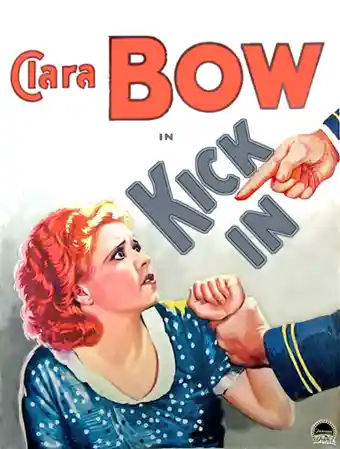
A definitive 7.3/10 rating for a film that redefined the boundaries of cult cinema. Kick In remains a cornerstone of transgressive art.
So, Kick In from 1931. Is it worth tracking down today? Well, if you’re into early talkies, especially those with a dose of pre-Code grit and Clara Bow’s magnetic screen presence, then yeah, absolutely. But if you’re looking for modern pacing or pristine sound, you’ll probably find yourself quite bored. This one’s for the film history buffs, really. 🧐
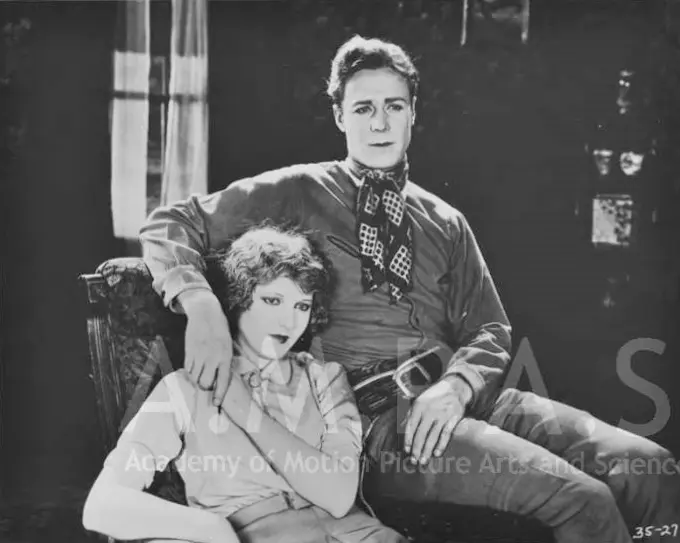
Our story centers on Chick Hewes, played by Regis Toomey, an ex-con who is, like, genuinely trying to go straight. He’s got his wife, Molly (Clara Bow), by his side, and she’s just all in for him. You really feel her commitment, her desperation, to see him succeed outside the slammer.
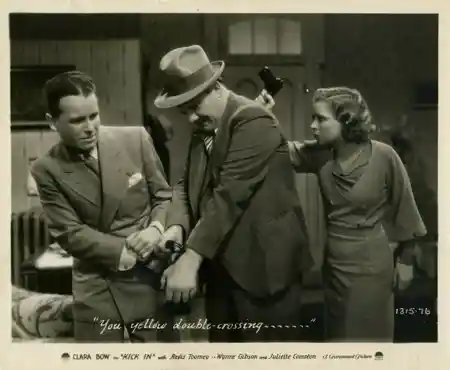
Bow is just electric here, even in a role that feels a little constrained compared to some of her silent era work. She’s still got that spark, you know? That nervous energy, those wide eyes that just convey everything. There's a scene where she's just *pleading* with Chick, and you can practically feel her heart trying to leap out of her chest. It’s powerful, even with the slightly stiff dialogue of the time.
Regis Toomey as Chick, bless his heart, tries hard. He’s got the look of a guy who’s been through it. But sometimes his performance feels a little... flat next to Bow. It's like she’s playing at a different speed, a different intensity. You almost wish the movie was just about her trying to save him, rather than him trying to save himself. Or, you know, both.
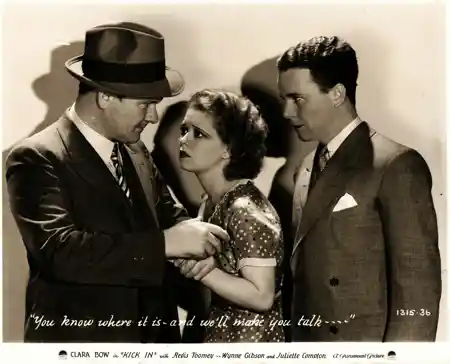
The plot itself is pure melodrama, which, honestly, is kinda fun. Chick gets tangled up with his old gang, led by this menacing fellow named Spider, played by Leslie Fenton. Spider is good at being bad. He just oozes slimy menace every time he’s on screen. You really believe he's the kind of guy who would drag Chick back down.
One thing that really sticks out is the dialogue. It's got that early sound film rhythm, where sometimes it feels a bit stilted, like the actors are waiting for their cue. But then other times, a line will just hit right, feeling very naturalistic for the period. There's a moment when Molly says something about how *hard* it is to be good, and it’s just so genuine. It makes you lean in.
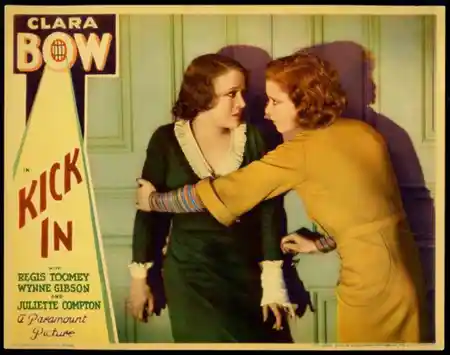
Donald Crisp is also in this, as Detective Brand, the cop who’s always on Chick’s tail. He’s got this weary, almost paternal vibe to him, which is a nice touch. He’s not just a flat antagonist; he seems to genuinely believe Chick can’t change, but also might harbor a tiny bit of hope. His scenes are always solid.
The pacing is… well, it’s 1931. It’s slower than we're used to. Some scenes linger a bit, letting the tension build, or sometimes just letting the awkwardness hang in the air. The whole thing feels a bit like a stage play, which wasn't uncommon for movies back then. The camera doesn't move a whole lot, mostly just observing the action.
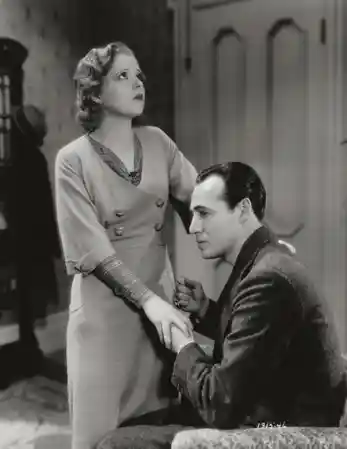
There's a scene near the end, a big confrontation, where the camera just locks on Molly’s face for a long time. You can see her processing everything, all the hope and despair mixing together. It’s a really strong moment. It makes you remember why Clara Bow was such a huge star. Her expressions are just *so* expressive.
You can tell they were still figuring things out with sound recording. Sometimes the audio cuts a little abruptly, or a background noise is a bit too loud. It adds to the charm, though, in a way. It’s a testament to how far cinema has come, but also a reminder of its raw beginnings. Like, you can almost hear the microphones trying their best. 🎤
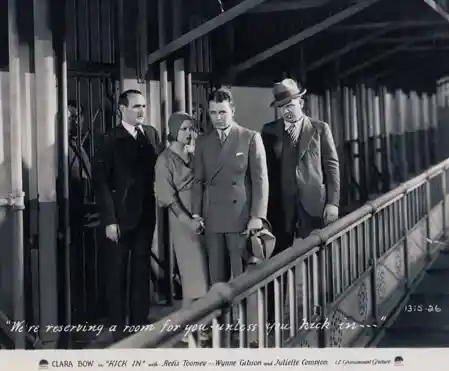
The whole atmosphere of the film is pretty grim. It’s not trying to sugarcoat the struggles of the working class or the difficulty of escaping a criminal past. It’s a pre-Code film, remember, so it gets to be a little rougher around the edges than what came later. There’s a certain frankness to the despair presented.
I found myself wondering, during one particular moment of high drama, if Chick and Molly could have just, you know, *left town*. Like, just packed a small bag and disappeared. But then, this is a movie, so they had to stick around for the conflict. The circumstances really do force them into trouble, as the plot synopsis says.
Is it a perfect film? Nah. The acting is uneven, some of the plot mechanics feel a bit clunky, and the sound is definitely of its time. But it’s got Clara Bow, and she alone makes it worth a look if you’re interested in that era of cinema. She just has this incredible, raw talent that still pops off the screen almost a century later. You can't take your eyes off her.
It’s a gritty, little melodrama that reminds you how tough life could be, even on film. And how much a good performance can carry a story, even when other elements falter.
IMDb —
1923
Community
Log in to comment.