DbcultAccessing Vault...
5.9/10
Senior Film Conservator
A definitive 5.9/10 rating for a film that redefined the boundaries of cult cinema. North of 50-50 remains a cornerstone of transgressive art.
Ah, the silent era. A time when cinematic storytelling relied not on spoken dialogue, but on the raw power of visual narrative, the emotive flicker of expression, and the potent symbolism embedded in every frame. It was a period ripe for the grand, sweeping narratives of heroism and hardship, especially those set against the formidable backdrop of the North American wilderness. And within this rich tapestry, few figures loomed larger in the popular imagination than the iconic Northwest Mounted Policeman – the 'Mountie.' Their red serge, their unwavering resolve, their legendary mantra of 'getting their man' – these were the ingredients for countless thrilling tales. Today, we turn our gaze to a fascinating, if sometimes overlooked, entry in this venerable genre: North of 50-50, a film that distills the very essence of the Mountie mythos into a stark, emotionally charged drama. Starring the formidable Len Powers, this picture, with its deceptively simple plot, offers a profound glimpse into the moral complexities that lay beneath the surface of frontier justice.
At its heart, North of 50-50 presents a narrative as stark and unyielding as the landscape it inhabits. The premise, as relayed through the sparse intertitles characteristic of the period, is deceptively straightforward: a Mountie, imbued with the unshakeable directive to apprehend his target, embarks on a relentless pursuit. This isn't merely a chase across geographical miles; it's a psychological odyssey, a testament to the singular focus demanded by the badge. The film, even with its limited surviving details, speaks volumes through its foundational premise. It’s not just about tracking a criminal; it’s about the inherent conflict between the individual’s humanity and the impersonal machinery of the law. The Mountie, portrayed with an almost stoic intensity by Len Powers, becomes an embodiment of this internal struggle, his every stride across the desolate terrain a physical manifestation of his moral burden.
The 'usual tricks' of the Mountie, as the plot synopsis suggests, are not mere cinematic contrivances. They are reflections of a very real, often brutal, dedication to duty that defined these frontier peacekeepers. In an era before advanced forensics, tracking skills, intuition, and sheer perseverance were the Mountie’s most potent weapons. The film, in its silent eloquence, would have emphasized the visual cues: the careful examination of tracks in the snow, the scanning of distant horizons, the silent vigilance. These actions, devoid of dialogue, would have conveyed the methodical, almost ritualistic nature of the pursuit, building an inexorable tension that culminates in the film's tragic climax.
While specific details of Len Powers' performance in North of 50-50 may be scarce, we can infer a great deal about his portrayal based on the conventions of the time and the archetypal role he inhabited. The silent film actor, particularly in a role as iconic as the Mountie, had to convey a universe of emotion and resolve through gesture, posture, and facial expression alone. Powers, in this context, would have been tasked with embodying the ideal of the Mountie: stoic, courageous, and utterly dedicated. His gaze would have needed to project unwavering determination, his physical presence, an indomitable strength. Yet, beneath this veneer of duty, there must have been hints of the internal conflict that defines the film's climax. The Mountie's mandate is clear, but his heart, as we discover, is not immune to the complexities of human connection. Powers' challenge would have been to subtly convey this dichotomy, making the inevitable confrontation all the more poignant.
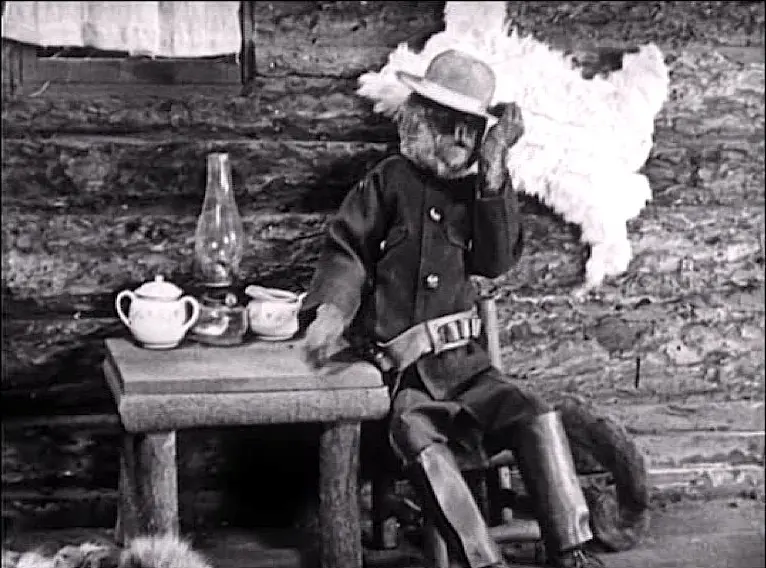
The physical demands of such a role cannot be overstated. Traversing imagined snowscapes, battling unseen blizzards, and enacting intense tracking sequences all required a physicality that was both believable and dramatic. A performance in a film like North of 50-50 wasn't just about acting; it was about embodying a national ideal, a symbol of law and order in a vast, untamed land. Powers' contribution, therefore, would have been crucial in grounding the myth in a relatable, albeit silent, human experience.
The narrative's true dramatic weight coalesces in its devastating conclusion. The Mountie, having meticulously followed his quarry, arrives at a secluded shack – not just any hideout, but the sanctuary of the very woman who holds his heart. This twist elevates North of 50-50 beyond a mere chase film, infusing it with a profound sense of tragic irony. Here, the impersonal pursuit of justice slams headlong into the deeply personal bonds of love. The 'sweetheart's shack' becomes a crucible where duty and desire are pitted against each other with heartbreaking finality. It's a classic cinematic setup, yet rendered with a silent film's unique capacity for raw, unadorned emotional impact.
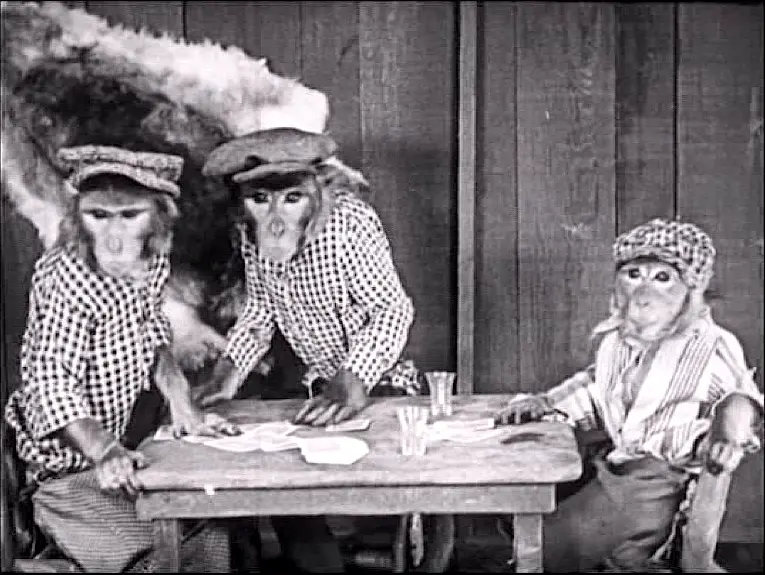
And then, the moment of revelation: 'dripping blood betrays his hiding place.' This detail, stark and visceral, is the film's most potent image. It is not a spoken confession, nor a dramatic struggle, but a silent, inexorable leakage that seals a man's fate. The blood, a universal symbol of life and injury, here becomes the ultimate betrayer, an unwitting accomplice to the law. It’s a moment designed to elicit a gasp, to underscore the sheer inevitability of the Mountie's mission, even as it shatters his personal world. The audience, through the silent medium, would have been left to ponder the agonizing choice forced upon the protagonist: uphold the law, or succumb to the dictates of the heart? The tragic beauty of this moment lies in its wordless power, allowing the visual to carry the full weight of the emotional devastation.
North of 50-50, despite its age and potentially limited availability, speaks to timeless themes that resonate deeply within the human experience. Foremost among these is the unyielding conflict between individual desire and societal obligation. The Mountie's personal agony becomes a microcosm of a larger struggle: the establishment of law and order in a wild, untamed land. His sacrifice, though perhaps not explicitly depicted as such, is implied in the very act of apprehending a loved one. This theme of personal sacrifice for a greater good is a cornerstone of many heroic narratives, and the Mountie genre, in particular, often explored this dichotomy.
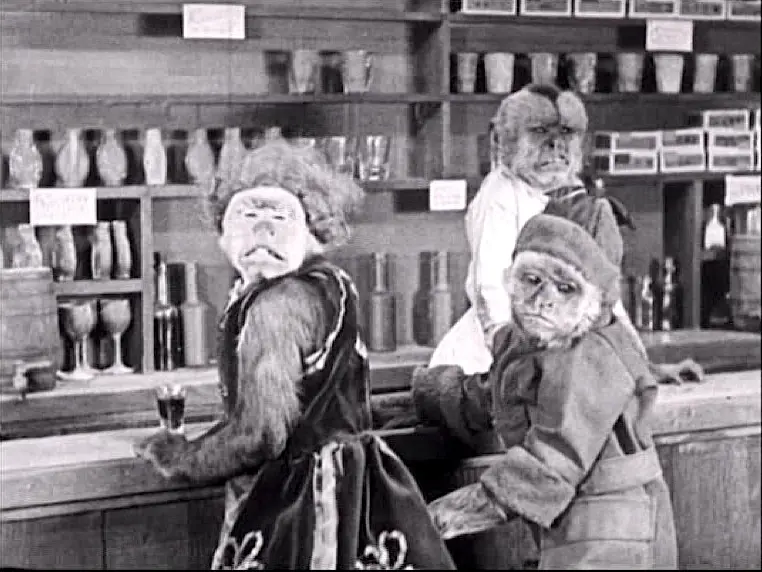
The wilderness itself acts as a powerful, almost sentient character in the film. The 'North of 50-50' isn't just a geographical marker; it's a metaphor for isolation, hardship, and the moral grey areas that can emerge far from civilization's comforts. The vast, indifferent landscape amplifies the human drama, making the stakes feel even higher. It's a setting that strips away pretense, forcing characters to confront their rawest emotions and make their most difficult choices. This portrayal of nature as both adversary and silent witness can be seen in other films of the era that explored similar themes of man against the elements, such as the survival stories often told in early cinema.
The film also touches upon the concept of destiny or fate. The Mountie's pursuit is almost preordained, leading him to a conclusion that feels tragically inevitable. The dripping blood isn't just a plot device; it's a symbol of a fate that cannot be evaded, a consequence that must be faced, regardless of the personal cost. This sense of inescapable destiny adds a layer of classical tragedy to a seemingly straightforward genre piece.
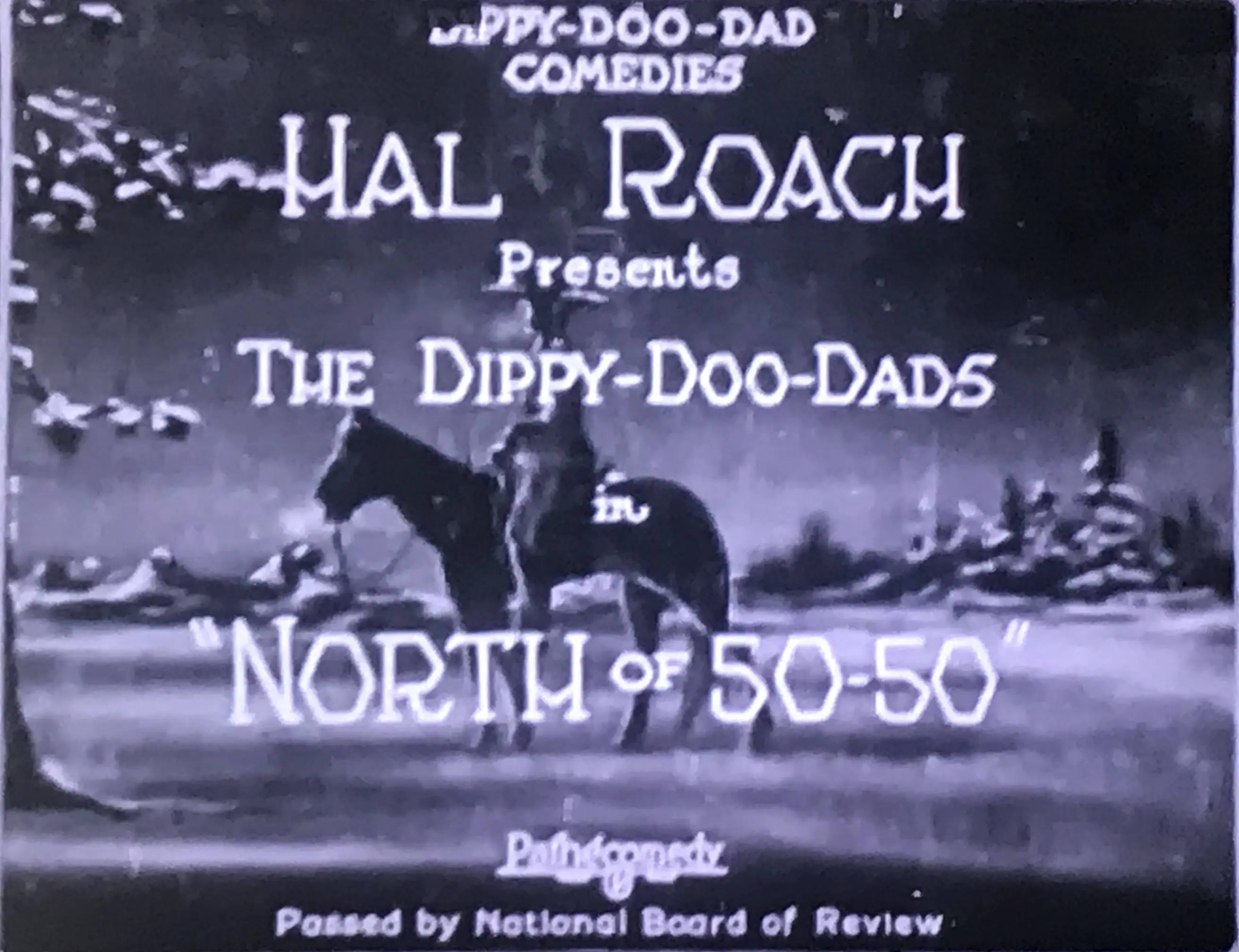
To fully appreciate North of 50-50, one must understand the unique grammar of silent film. The absence of synchronized sound forced filmmakers to develop a highly sophisticated visual language. Every shot, every gesture, every intertitle was meticulously crafted to convey meaning and emotion. In a film like this, the director would have relied heavily on close-ups to capture Powers' internal turmoil, wide shots to emphasize the vastness of the Canadian wilderness, and carefully orchestrated sequences to build suspense during the chase. The pacing, dictated by the rhythm of the editing and the emotional beats, would have fluctuated, accelerating during the pursuit and slowing down for moments of dramatic introspection.
The use of intertitles, far from being mere expository text, often served as narrative bridges, conveying dialogue, setting, and emotional states. In North of 50-50, these intertitles would have been crucial for establishing the Mountie's mission, the identity of the 'sweetheart,' and perhaps the internal thoughts that couldn't be fully expressed through action alone. The dramatic impact of the 'dripping blood' revelation would have been heightened by the preceding silence, making the visual cue all the more shocking and profound.
Comparing North of 50-50 to other silent films reveals its place within a broader cinematic landscape. While it shares the melodramatic intensity of films like Romeo and Juliet in its exploration of forbidden or tragic love, its frontier setting and focus on justice align it more closely with adventure and crime dramas. The relentless pursuit of a protagonist, often with moral ambiguity, can be seen in films like The Runaway, where characters are driven by desperation and the consequences of their actions. The stark struggle against circumstances, whether natural or societal, also finds echoes in films such as Strife, which often depicted intense personal and communal conflicts. The sense of isolation and the harsh realities of life in remote areas, for instance, might be subtly explored in ways that resonate with the themes in The Crow's Nest, albeit from a different narrative perspective. What truly sets North of 50-50 apart is its specific blend of the Mountie myth with a deeply personal, almost Greek, tragedy.
The Mountie film, as a subgenre, held a particular fascination for audiences, both in Canada and internationally. It presented a vision of order imposed upon chaos, of stoic heroism in the face of immense challenges. North of 50-50 contributes to this legacy by not merely glorifying the Mountie, but by exploring the heavy personal cost of their duty. It reminds us that behind the iconic uniform lay individuals grappling with human emotions and difficult choices. This film, even in its fragments, serves as a valuable document of how these narratives were constructed and consumed in the early days of cinema.
While we might not have access to every frame or the original score that would have accompanied its screenings, the fundamental dramatic structure and thematic power of North of 50-50 remain evident. It's a testament to the enduring appeal of stories that pit duty against love, justice against compassion, and man against the indifferent majesty of the wilderness. Films like Három hét or Luffar-Petter, though potentially different in their specific cultural contexts or comedic tones, nonetheless speak to the universal appeal of narratives built around characters navigating complex social structures and personal dilemmas, often with a sense of underlying tension or pursuit. The fundamental human experiences of longing, regret, and the consequences of one's actions are threads woven through many early cinematic works, and North of 50-50 stands as a powerful, if stark, example of this.
In conclusion, North of 50-50, with Len Powers at its core, emerges as more than just a relic from the silent era. It is a potent exploration of the human condition, cloaked in the rugged garb of a frontier drama. Its plot, while concise, carries the weight of universal themes: the relentless pursuit of justice, the agonizing demands of duty, and the tragic collision of public obligation with private affection. The silent film medium, far from being a limitation, amplifies these themes, allowing the stark visuals and the power of suggestion to convey profound emotional depth. The image of the 'dripping blood' remains a haunting symbol, encapsulating the film's core tragedy and its unflinching portrayal of consequences.
As film enthusiasts, our journey into the past often unearths these forgotten treasures, reminding us of the foundational narratives that shaped cinematic art. North of 50-50 is a prime example of a film that, despite the passage of time, retains its power to move and provoke thought, offering a window into the moral landscape of a bygone era and the timeless struggles that continue to define us. It stands as a testament to the evocative force of silent storytelling, proving that sometimes, the most resonant narratives are those whispered through images, rather than shouted in words.
IMDb 5.2
1912
Community
Log in to comment.