DbcultAccessing Vault...
Cult Review
Senior Film Conservator

So, is Weary Winnie worth seeking out today? Honestly, that depends on what you’re looking for. If you crave spectacle, snappy dialogue, or a plot that barrels forward, you’ll probably find this one a slog. But if you’re someone who appreciates the quiet hum of everyday existence, the subtle aches and small joys, then yeah, this might just resonate.
It’s a film that asks you to settle in, to just be with its characters. It won’t grab you by the collar, but it might just gently pull you into its orbit if you let it. Think less Running Wild and more of a whispered conversation.
The whole movie, it kinda just… happens. Not in a bad way, mind you. It feels like a series of vignettes centered around a feeling, a character named Winnie, who’s not necessarily sad, but just deeply, profoundly weary. Not the kind of tired you fix with a nap, but the kind that settles in your bones.
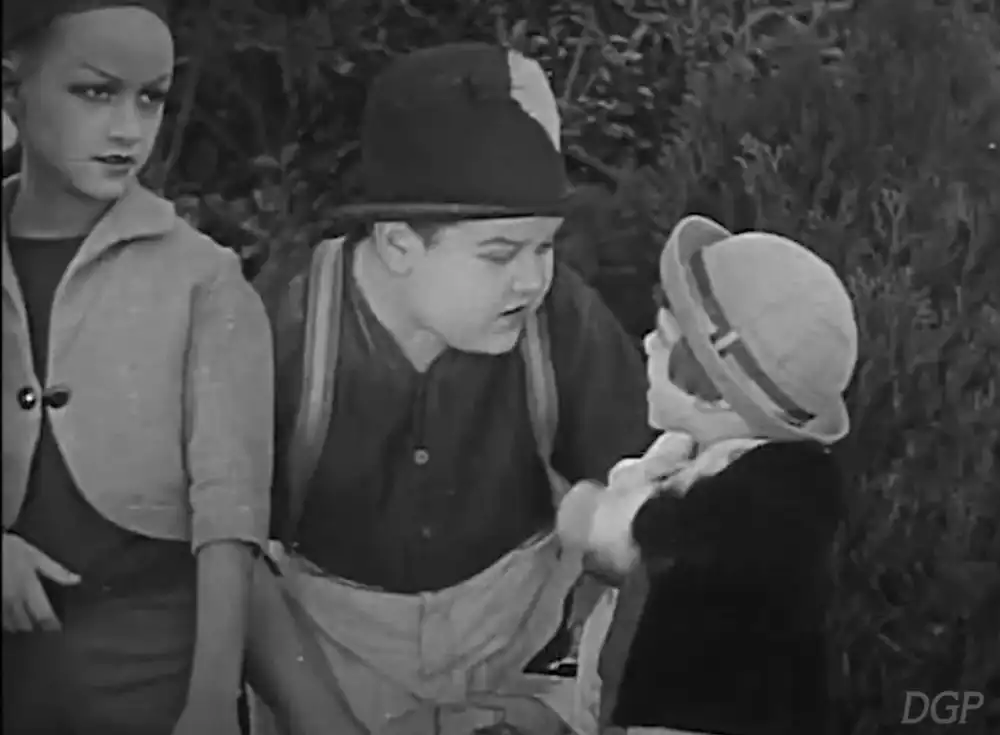
There’s this one shot, early on, where Winnie is just staring out a window. It goes on about 20 seconds too long, and the silence starts to feel awkward rather than emotional, but then it *clicks*. You realize she’s not looking at anything specific, just looking *out*. That stuck with me.
Albert Schaefer, as whoever he’s playing here—a neighbor? A colleague? It’s not totally clear—has this wonderful, understated presence. His interactions with Winnie are minimal, often just a glance or a shared moment of quiet, but they speak volumes. You can almost feel the movie trying to convince you this connection matters, and it mostly succeeds.
Billy Bassette’s character, on the other hand, provides a bit of a jittery energy. He's always bustling, always a little too loud, a stark contrast to Winnie’s settled stillness. There’s a scene where he’s trying to fix a small appliance, and his frantic movements feel almost comical against the backdrop of Winnie’s quiet kitchen. It’s a good counterpoint, even if he sometimes feels like he’s in a different movie.
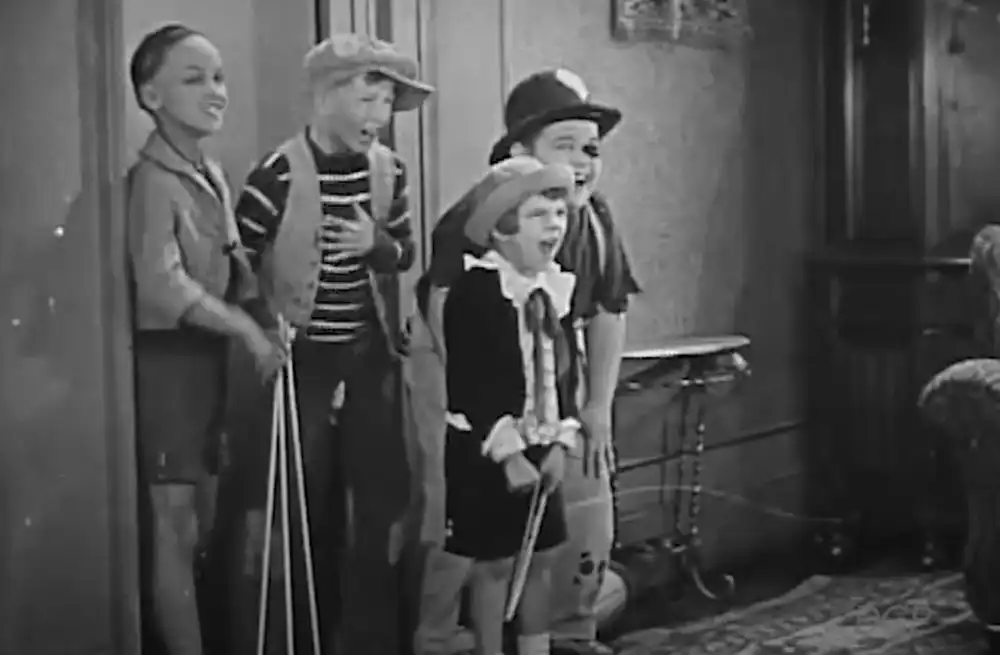
The film is full of these small, almost insignificant details. Like the way the light falls through a window in one scene, illuminating dust motes, making the ordinary feel momentarily profound. Or that chipped teacup Winnie uses throughout the film; it's always the same one, and you start to wonder about its story.
Bobby Nelson shows up later, and his character, a delivery person maybe? I dunno, his role felt a bit less defined. But there’s a moment where he nearly drops a package, and the sudden, clumsy flail felt so real. It wasn't a joke, just a human goof. Those little things, they make you feel like you’re actually *there*.
The pacing, it's definitely a slow burn. Sometimes it drags, sure. You might find yourself checking the time. But then it’ll hit you with another one of those quiet, observational moments, and you remember why you’re watching. It’s a testament to the idea that not every film needs a rollercoaster plot, not like The Gasoline Buckaroo, that’s for sure.

One reaction shot of Winnie, after a particularly mundane conversation, lingers so long it becomes funny. You see her trying to process, or maybe just endure, whatever was just said. It’s a quiet laugh, a knowing nod to the small absurdities of life.
The settings are simple, domestic. A small apartment, a quiet street. They don't try to be grand or sweeping like in 1810 o Los libertadores de México. The movie gets noticeably better once it stops trying to inject any forced drama and just settles into its rhythm of observation. It's a film about atmosphere more than direct action.
The soundtrack, if you can call it that – it’s mostly ambient noise or a very sparse piano. It contributes to that feeling of quiet introspection, almost too much at times. A little more variation wouldn't have hurt, but it fits the overall mood.
Weary Winnie isn't going to be everyone's cup of tea. It’s not flashy, it doesn't offer easy answers. But for those who appreciate a film that lets you sit with its characters, to just observe the texture of their days, there’s a surprising depth here. It’s a film that leaves you with a certain feeling, a quiet understanding, rather than a definitive statement. And sometimes, that’s exactly what you need.
IMDb 5.3
1932
Community
Log in to comment.