DbcultAccessing Vault...
5.8/10
Senior Film Conservator
A definitive 5.8/10 rating for a film that redefined the boundaries of cult cinema. Kid Speed remains a cornerstone of transgressive art.
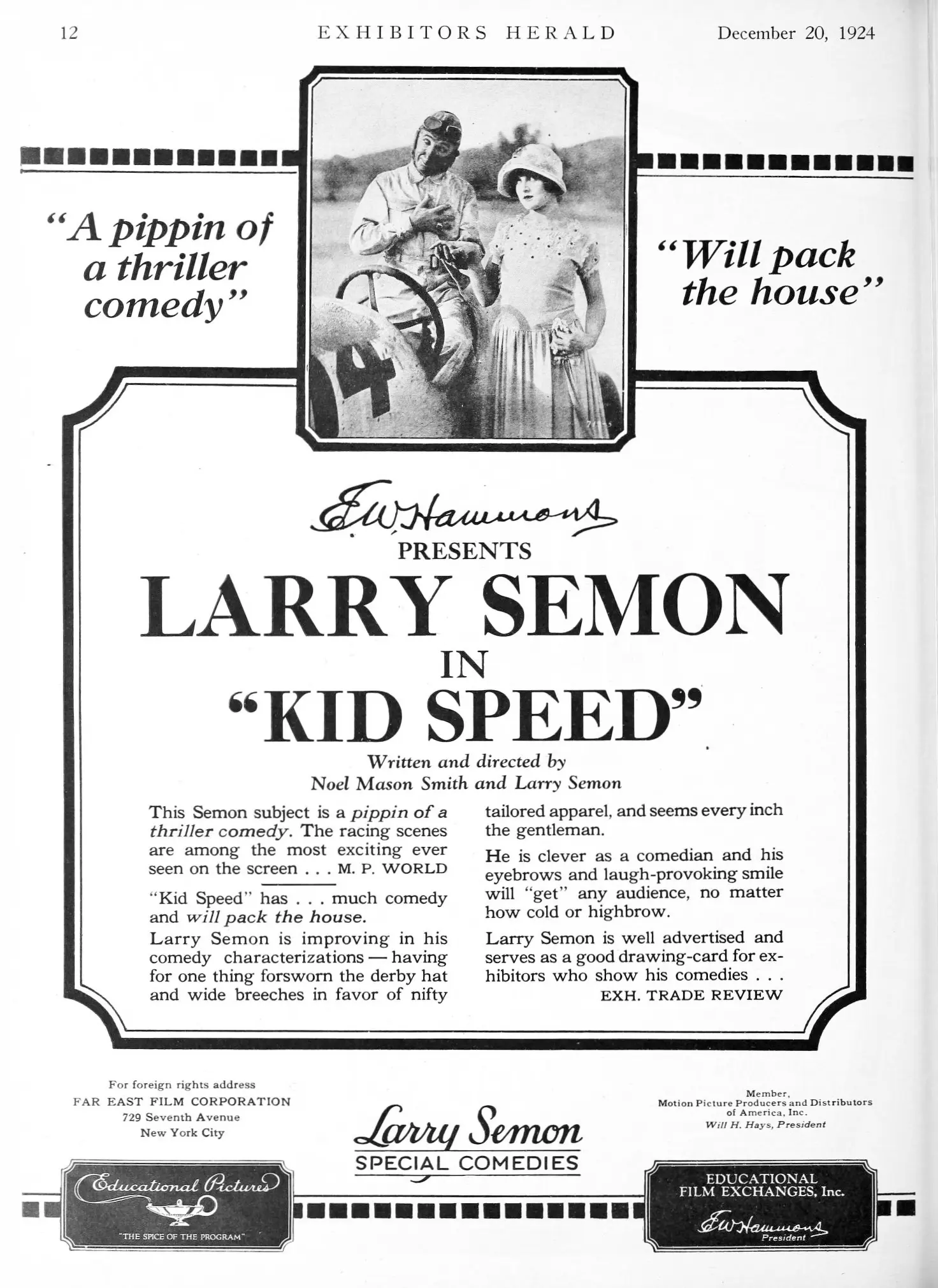
Step into a time capsule, back to the vibrant, chaotic, and utterly charming era of the 1920s – a period when cinema was truly finding its voice, even without dialogue. Amidst the burgeoning fascination with speed, machinery, and the thrill of the chase, films like Kid Speed emerged, capturing the zeitgeist with an infectious energy. This 1924 silent comedy, a delightful concoction of slapstick, romance, and high-octane action, is more than just a relic; it's a pulsating testament to the ingenuity and sheer entertainment value of early filmmaking. It doesn't merely present a story; it invites you to experience a world where every gesture, every exaggerated expression, and every breakneck stunt speaks volumes.
At its core, Kid Speed is a classic tale of romantic pursuit, but one uniquely framed by the mechanical marvels of its age. The plot, deceptively simple, unfurls with a wealthy businessman, Mr. Morgan, orchestrating an elaborate automobile race. This isn't just any race; it's a grand spectacle, a social event, and, crucially, a proving ground for the affections of his beautiful daughter, Priscilla (played with effervescent charm by Dorothy Dwan). The stakes are unequivocally clear: the victor will earn the coveted privilege of calling upon Priscilla, effectively becoming a favored suitor. This arrangement, a blend of paternal decree and societal expectation, sets the stage for a dramatic and often hilarious contest of wills, skill, and sheer luck.
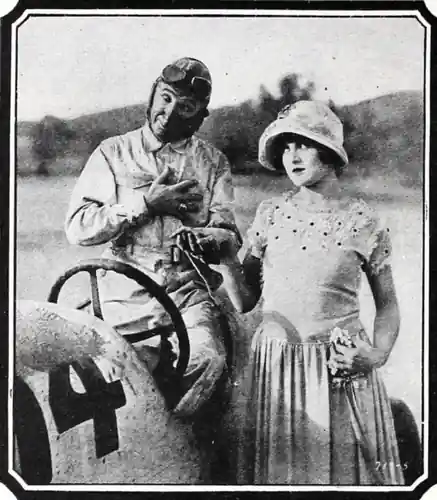
Our protagonist, Kid Speed (embodied by the inimitable Larry Semon), is one such hopeful. His heart, it's quickly established, beats solely for Priscilla. He represents the earnest, slightly clumsy, but ultimately determined underdog. However, the path to true love, as cinema so often reminds us, is rarely a smooth one. A formidable rival emerges in the form of another competitor, a character often played by the imposing, yet comically nuanced, Oliver Hardy. Hardy, long before his legendary partnership with Stan Laurel, already possessed a remarkable gift for conveying pompous authority and frustrated villainy, traits he deploys to great effect here. This love triangle, fueled by the roar of engines and the promise of a hand in marriage, propels the narrative forward with an irresistible momentum, ensuring that the action on the track is always mirrored by the emotional turbulence off it.
Larry Semon, often overshadowed by the likes of Chaplin, Keaton, and Lloyd in historical retrospect, was a titan of silent comedy in his own right. His films were characterized by an almost anarchic energy, elaborate practical gags, and a penchant for pushing the boundaries of physical comedy. In Kid Speed, Semon is in his element, orchestrating a symphony of mechanical mayhem and human folly. His character, Kid Speed, is a masterclass in comedic underdog portrayal – resourceful, resilient, and perpetually on the verge of disaster, only to miraculously escape through a combination of wit, luck, and sheer force of will. Semon's physical dexterity and inventive comedic mind are on full display, from intricate stunts involving his race car to the chaotic interactions with his bumbling mechanics and rival drivers. The film truly showcases Semon's unique brand of kinetic humor, a style that prioritized visual spectacle and relentless motion.
Semon’s approach to comedy was distinct; it wasn't always about the subtle character nuances of a Chaplin or the stoic brilliance of a Keaton. Instead, it was about grand, often destructive, set pieces and a relentless pace that kept audiences gasping and laughing in equal measure. His work, including films like Fresh Paint, consistently demonstrated his capacity for crafting elaborate gags that often involved complex contraptions and perilous situations. In Kid Speed, this translates directly to the race sequences, where Semon doesn't just drive; he navigates a landscape of escalating chaos, turning every obstacle into an opportunity for a new, spectacular gag. His face, a canvas of exaggerated expressions, conveys every triumph and tribulation without uttering a single word, a testament to the power of silent acting.
Before he became one half of the world's most beloved comedy duo, Oliver Hardy carved out a significant niche as a formidable character actor in numerous silent films. In Kid Speed, he often plays the role of the haughty, well-to-do rival, a perfect foil to Semon's everyman hero. Hardy’s presence, even in these early roles, is unmistakable. His expansive physique, coupled with a nuanced ability to convey exasperation, indignation, and a touch of villainous glee, makes his character far more than a mere obstacle. He embodies the established order, the wealthy competitor who believes his status alone should guarantee victory, only to be constantly thwarted by Semon's ingenious, if unconventional, methods. The comedic tension between Semon's frenetic energy and Hardy's often more ponderous, yet equally expressive, reactions creates a delightful dynamic that elevates the film beyond simple chase sequences.
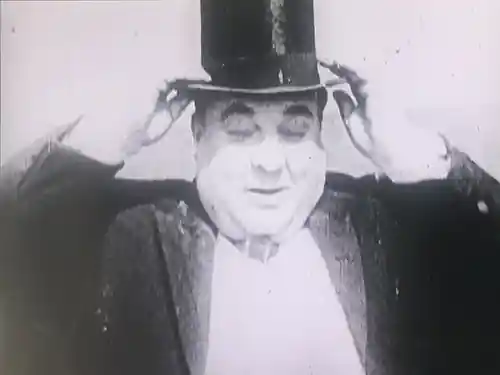
Hardy's contributions here are crucial not just for the immediate comedic impact but also for understanding the evolution of his comedic persona. Even without Laurel, his ability to react to chaos, to suffer indignities with a slow burn of frustration, is already evident. It’s a performance that hints at the genius to come, showcasing his mastery of silent film acting where body language and facial expressions were paramount. The rivalry between Kid Speed and Hardy’s character isn’t just about winning a race; it’s a clash of social classes, of ingenuity versus entitlement, played out with a delightful, often brutal, sense of humor.
No silent romantic comedy would be complete without a captivating ingenue, and Dorothy Dwan fills this role with grace and charm as Priscilla. While the narrative largely focuses on the male protagonists and their antics, Dwan’s presence is vital. She isn't merely a passive prize; her reactions, her expressions of concern for Kid Speed, and her subtle displays of affection provide the emotional anchor for the entire high-stakes race. She is the desired outcome, the motivation that drives Kid Speed through impossible odds, and her character grounds the fantastical comedic elements in a relatable human desire for love and companionship. Her performance, though less boisterous than Semon's or Hardy's, is essential for providing the romantic stakes that give the film its heart.
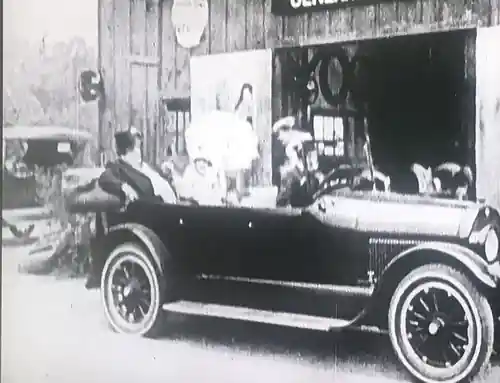
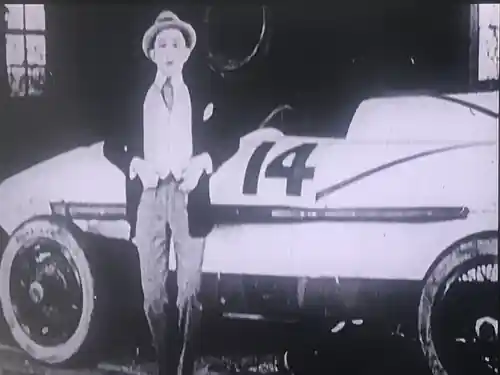
The central draw of Kid Speed, as its title suggests, is the race itself. The filmmakers, Noel M. Smith and Leon Lee, along with Larry Semon's creative input, crafted sequences that are nothing short of breathtaking for their era. The practical stunts, the sense of genuine peril, and the sheer audacity of the vehicular acrobatics are astounding. These weren't CGI creations; these were real cars, real drivers, and real risks. The film capitalizes on the public's burgeoning love affair with the automobile, transforming it from a mere mode of transport into a chariot of destiny and a vehicle for unparalleled comedic chaos. The editing during these sequences is often fast-paced, creating a dynamic sense of urgency and excitement that belies the film's age.
The race isn't a straightforward dash to the finish; it’s a journey fraught with sabotage, unexpected detours, and increasingly improbable situations. From cars breaking down in spectacular fashion to ingenious (and often illicit) shortcuts, the film never allows the tension to slacken. It's a testament to the physical comedy era's ability to create narratives that were inherently visual, where the action itself told the story with minimal need for intertitles. The sheer kinetic energy of the film is a masterclass in how to sustain audience engagement through continuous, escalating action and inventive visual gags.
Beyond the surface-level thrills and laughter, Kid Speed subtly touches upon themes that resonated deeply with 1920s audiences. The wealthy businessman's control over his daughter's romantic choices, and the contrast between Kid Speed's earnest, perhaps less affluent, background and his rival's more privileged status, hint at the era's social dynamics. The race becomes a metaphor for upward mobility, for the idea that through sheer determination and ingenuity, an individual can overcome societal barriers and achieve their dreams. This narrative arc, where the underdog triumphs against the odds, is a timeless one, and Kid Speed executes it with a charm that makes it particularly endearing.
One might even draw a parallel to the romantic entanglements seen in films like Distilled Love, where the complexities of a love triangle often serve as a catalyst for dramatic or comedic scenarios. Here, the love triangle isn't merely a plot device; it's the very engine of the narrative, driving both the characters and the plot towards a climactic resolution. The stakes are personal, making the broader themes of ambition and perseverance feel deeply human. Similarly, the struggle of an individual against established power structures, or the journey of self-improvement for love, echoes sentiments found in films like The Ne'er-Do-Well or Man and His Soul, albeit within a comedic framework rather than a dramatic one.
The direction by Noel M. Smith and Leon Lee, under Semon's creative influence, is a masterclass in silent film storytelling. They understood that every frame had to communicate, every gesture had to be clear, and the pacing had to be meticulously controlled to maintain audience interest without dialogue. The use of intertitles, far from being a mere necessity, becomes an art form in itself, conveying plot points, character thoughts, and comedic punchlines with pithy elegance. The cinematography, while perhaps not as artistically ambitious as some of the grander dramas of the era, is perfectly suited to the film's comedic and action-oriented goals, capturing the frenetic energy of the race and the expressive performances of the cast with clarity and dynamic framing.
The visual language of silent film is often underestimated, but in Kid Speed, it is celebrated. The directors and writers (Larry Semon, Noel M. Smith, and Leon Lee) collaborate to ensure that the story is told primarily through action and reaction. The film's reliance on physical comedy means that the blocking, the timing of the gags, and the expressiveness of the actors are all paramount. This meticulous attention to visual detail ensures that even nearly a century later, the humor translates, and the narrative remains coherent and engaging, proving that a universal language doesn't always need words.
Kid Speed stands as a vibrant example of 1920s silent cinema, a period of immense creativity and technical innovation. It reminds us of the era's fascination with speed, progress, and the sheer joy of spectacle. The film is a valuable piece of cinematic history, offering insights into the comedic sensibilities of the time and the remarkable talents of its stars, particularly Larry Semon and Oliver Hardy in their formative years. It's a film that doesn't just entertain; it educates, showing how foundational these early comedies were to the development of film language and narrative structure.
For those unfamiliar with silent films, Kid Speed serves as an excellent entry point. Its straightforward plot, relentless action, and broad humor are universally accessible, transcending the barriers of time and the absence of sound. It's a testament to the enduring appeal of well-crafted physical comedy and a romantic story where the stakes are clear and the characters are endearing. The film, like a finely tuned race car, is a marvel of its own engineering, designed to deliver pure, unadulterated entertainment at breakneck speed. It’s a joyous ride, proving that some stories, and some laughs, are truly timeless.
IMDb 4.9
1918
Community
Log in to comment.