DbcultAccessing Vault...
Cult Review
Senior Film Conservator
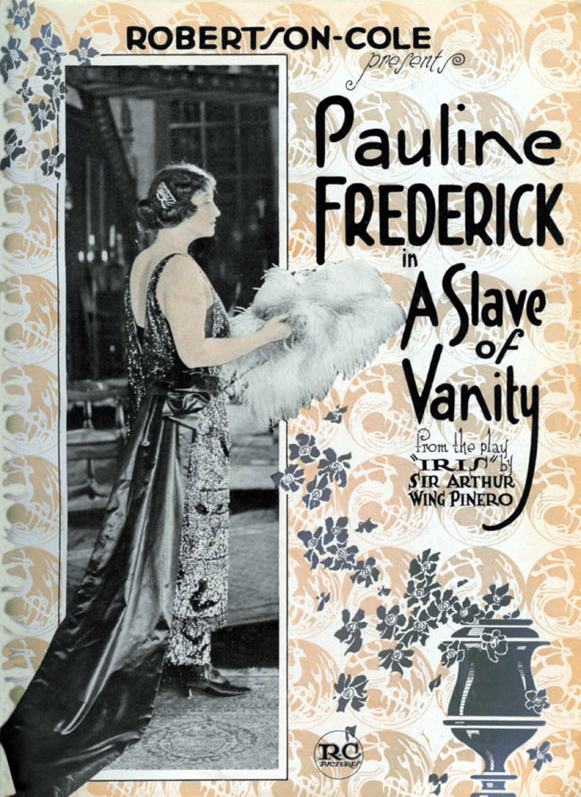
A Slave of Vanity, a 1920 silent film, delves into the intricate psyche of Iris, a British aristocrat, as she grapples with the dichotomies of love and material wealth. The film, directed by Henry Otto, is an adaptation of a play by Arthur Wing Pinero, offering a nuanced exploration of the societal pressures and personal desires that shape Iris's decisions.
At the heart of the film is Iris's dilemma: she must choose between Laurence, a man of modest means but profound passion, and Frederick, a wealthy suitor who represents security and status. This choice is not merely a personal preference but a reflection of the societal values that govern her world. The film masterfully portrays the tension between these two paths, each symbolizing different aspects of Iris's own identity and desires.
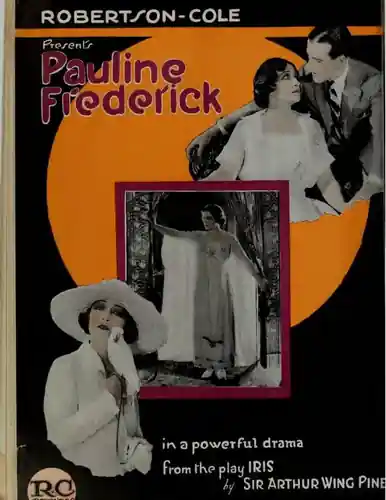
As Iris navigates this complex emotional landscape, the film illuminates the constraints placed on women by the societal norms of the time. Her decision to pursue wealth over love is a stark commentary on the limited options available to women, for whom marriage often served as a means of securing financial stability rather than emotional fulfillment. This theme is reminiscent of other films of the era, such as Marriage for Convenience, which also explores the intersections of love, money, and social standing.
The cinematography of A Slave of Vanity is noteworthy for its use of lighting and composition to convey the emotional states of the characters. The scenes in Italy, where Iris and Laurence attempt to build a life together, are particularly striking, with the Italian landscapes serving as a backdrop for their unfolding drama. The contrast between the freedom and beauty of Italy and the stifling conventions of British society underscores the couple's struggle to find their place in the world.
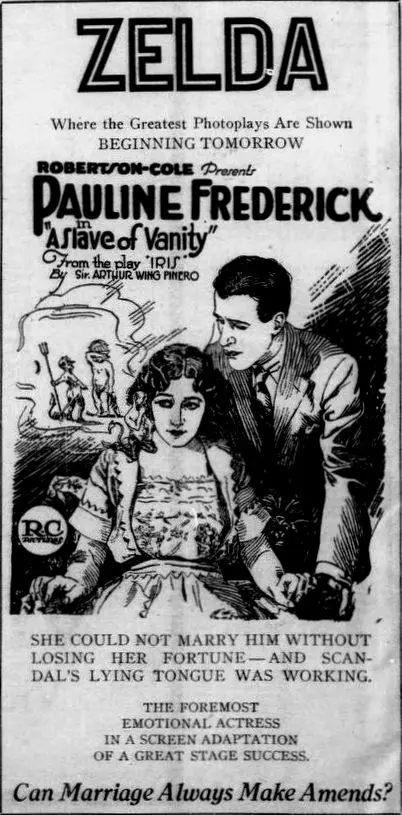
In terms of character development, Pauline Frederick's portrayal of Iris is exceptional, capturing the complexity and depth of a woman torn between her heart and her head. The supporting cast, including Arthur Hoyt and Nigel Barrie, adds depth to the narrative, fleshing out the social circle in which Iris moves. The chemistry between the leads is palpable, making the tragic unfolding of their story all the more poignant.
The themes of love versus material security are timeless, resonating with audiences beyond the film's release in 1920. In this sense, A Slave of Vanity can be seen as part of a broader cinematic tradition that explores the human condition, including films like Footlights and Shadows and Colonel Carter of Cartersville, which also delve into the complexities of human relationships and societal pressures.
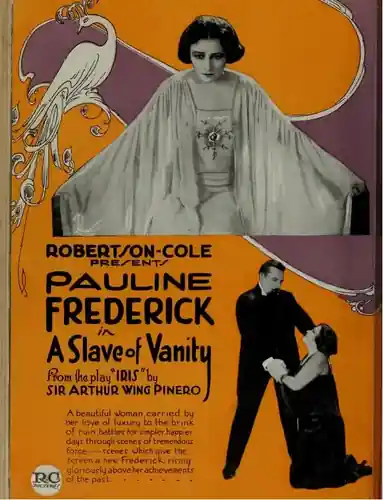
In conclusion, while the film's narrative may seem straightforward at first glance, A Slave of Vanity offers a rich tapestry of themes and emotions, inviting viewers to reflect on the enduring questions of love, status, and personal freedom. As a work of silent cinema, it stands as a testament to the power of visual storytelling, capable of transcending time to speak to universal human experiences. For those interested in the silent film era or the works of Henry Otto, A Slave of Vanity is certainly a film worth exploring, offering insights into the societal norms and personal struggles of the past that continue to resonate today.
Furthermore, the film's exploration of the human condition places it alongside other cinematic works that probe the depths of love, loss, and the search for meaning. Films such as Destiny, Just Pals, and Three and a Girl also navigate these complex themes, each offering unique perspectives on what it means to be human. The silent film era, with its emphasis on visual expression and dramatic narrative, provides a fascinating lens through which to examine these universal questions.
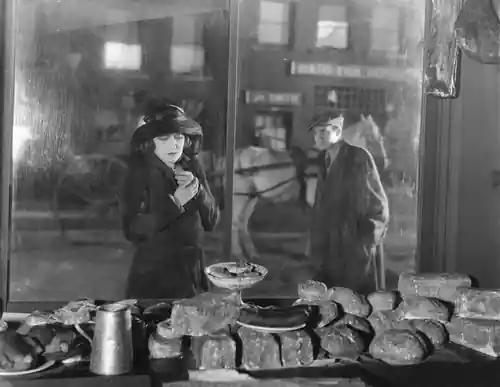
The legacy of A Slave of Vanity can also be seen in its influence on later films that explore similar themes of love, societal pressure, and personal identity. Movies such as Good-Bye, Bill, At the Mercy of Men, and The Week-End reflect the ongoing relevance of these issues, demonstrating how the concerns of the past continue to shape the stories we tell today.
In addition to its thematic resonance, A Slave of Vanity is also notable for its historical significance as a silent film. The era of silent cinema was marked by a unique aesthetic and narrative style, which continues to captivate audiences with its beauty and expressiveness. Films like The Rose of Blood, He Got His, and The Head Waiter showcase the diversity and creativity of this period, offering a glimpse into a bygone age of cinematic storytelling.
For film enthusiasts and scholars, A Slave of Vanity is a valuable resource for understanding the evolution of cinematic themes and techniques. The film's use of visual motifs and its exploration of the human experience make it a compelling subject for analysis and comparison with other works of the silent era, such as La falena, The House of Tears, and Neft vä milyonlar sältänätindä. Each of these films contributes to a broader understanding of the silent film genre and its enduring impact on the art of cinema.
IMDb —
1919
Community
Log in to comment.