DbcultAccessing Vault...
6.2/10
Senior Film Conservator
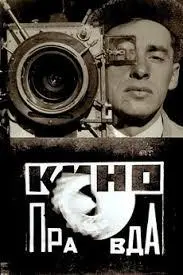
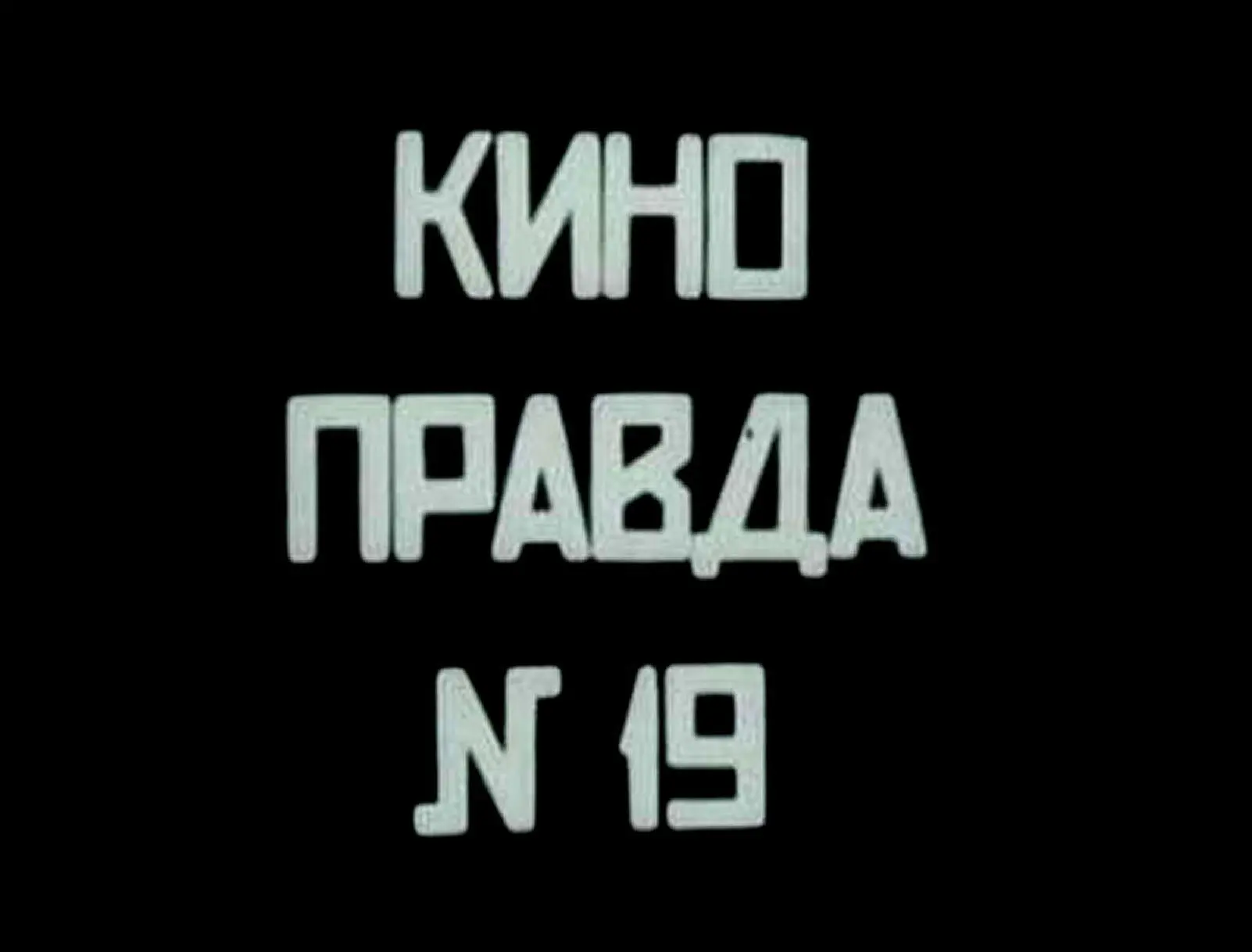
A definitive 6.2/10 rating for a film that redefined the boundaries of cult cinema. Kino-pravda no. 19 - Chernoe more - Ledovityi okean - Moskva remains a cornerstone of transgressive art.
Amidst the tumultuous years following the Russian Revolution, Dziga Vertov, Elizaveta Svilova, and Mikhail Kaufman collaborated to produce a series of newsreels that stand as a testament to the resilience and complexity of Russian society in the early 1920s. Kino-pravda no. 19 - Chernoe more - Ledovityi okean - Moskva is a compilation of these films, each offering a unique lens through which the viewer can explore the era's social, cultural, and political landscapes.
The series begins with a stark depiction of a harsh winter in Moscow, where the cold is palpable in both the visuals and the atmosphere. The visuals are stunning, with a focus on the city's architecture and the people navigating its frozen streets. The film captures a raw, unfiltered reality that feels both intimate and detached, a stark contrast to the polished narratives of today's news media.
Vertov's approach to documentary filmmaking is both innovative and deeply human. The camera moves with a sense of purpose, capturing not just the big events but the small, overlooked moments that make up the fabric of daily life. In one scene, a group of children play in a park, their laughter and joy a stark contrast to the world outside. This juxtaposition is a recurring theme throughout the series, highlighting the complexities of the human experience during a time of great change.
One of the most striking elements of these newsreels is the use of text and voiceovers. Svilova's writing and Kaufman's narration provide context and emotional depth to the visual narrative. The voiceovers are often poetic, creating a sense of grandeur and significance even in the most mundane of scenes. This artistic approach elevates the documentary form, transforming it into a medium for both reporting and storytelling.
Vertov's fascination with the relationship between the individual and the collective is evident in his use of montage. The films often juxtapose individual experiences with broader societal issues, such as the impact of the revolution on everyday life. These montages are not just visual collages but philosophical explorations, inviting the viewer to reflect on the larger meaning of the images presented.
The series also delves into the cultural and artistic life of the time, showcasing the vibrant creativity that emerged in the wake of political upheaval. Scenes of artists at work, musicians performing, and cultural events are interspersed with footage of political rallies and social gatherings. This blend of high and low culture underscores the multifaceted nature of Russian society during this period.
One of the most poignant elements of the series is its exploration of the human condition. The films capture the struggles and triumphs of individuals, from a young girl learning to read to a group of workers building a new life in the aftermath of war. These personal stories provide a counterpoint to the broader historical narrative, reminding us of the individual lives that make up the collective story.
The technical quality of the films is impressive, considering the era in which they were made. The use of hand-held cameras and the incorporation of various film techniques contribute to a dynamic, engaging viewing experience. The visual language is both modern and timeless, making the series as relevant today as it was when it was first released.
However, it's important to note that these films are not just historical artifacts; they are works of art in their own right. The series challenges traditional notions of documentary filmmaking, pushing the boundaries of what can be achieved with non-fiction cinema. Vertov's innovative use of sound, visual composition, and editing techniques sets a precedent for future documentary filmmakers.
In conclusion, Kino-pravda no. 19 - Chernoe more - Ledovityi okean - Moskva is a remarkable collection of films that offer a window into the complexities of Russian life in the early 1920s. It is a testament to the power of documentary cinema to capture not just the facts but the emotions and experiences of the people it represents. For anyone interested in the history of cinema, this series is a must-watch, offering both historical insight and artistic merit.
For a comparative view, consider exploring other works from the same period, such as the whimsical and surreal When Baby Forgot or the more narrative-driven The Bar Sinister. These films, while different in style and approach, share a common thread of exploring the human experience in a time of great change.
Community
Log in to comment.