DbcultAccessing Vault...
Cult Review
Senior Film Conservator
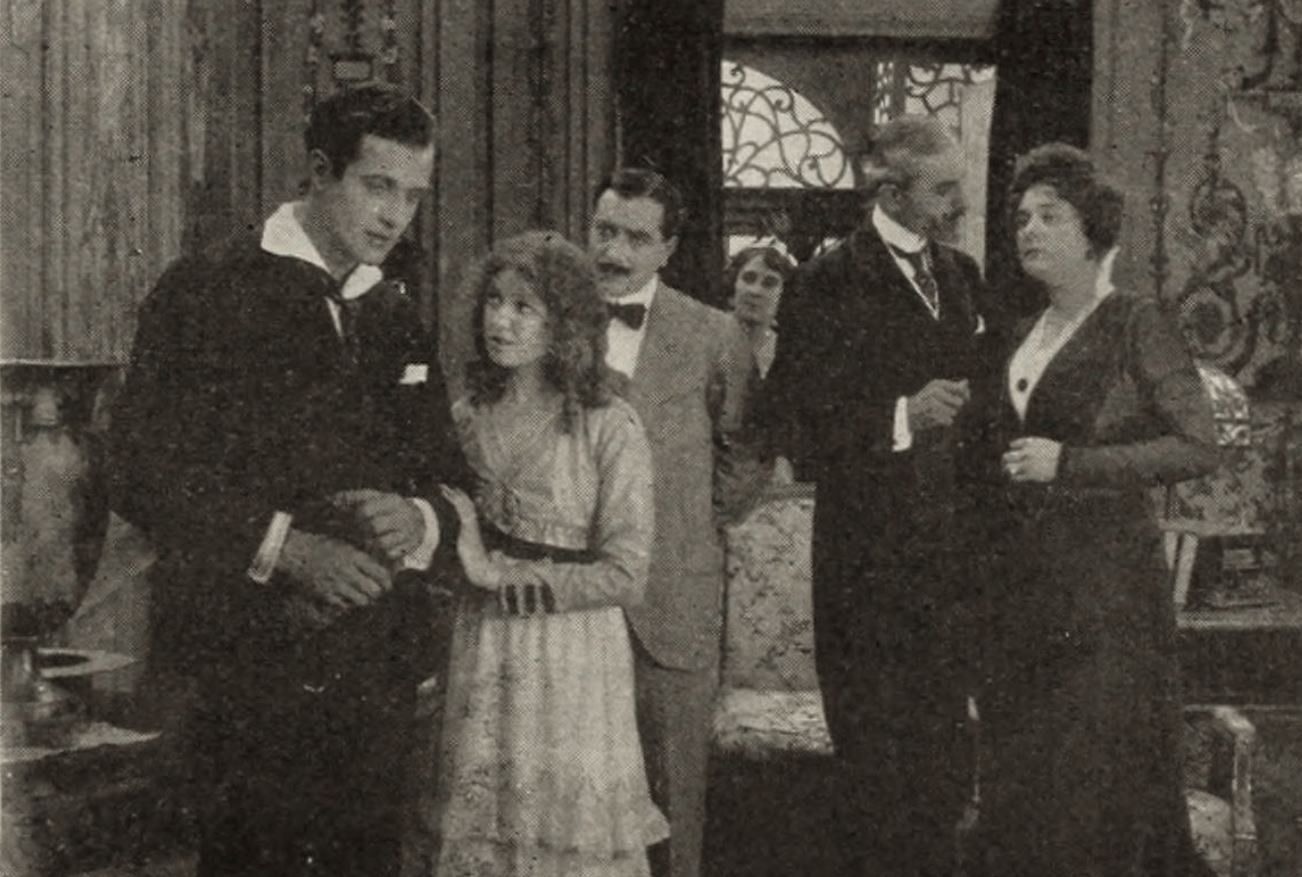
In the flickering grandeur of early cinema, where narratives often unfolded with a charming earnestness, "The Little Mademoiselle" emerges as a delightful confection of adventure, romance, and serendipitous discovery. This 1917 silent masterpiece, penned by the inventive Mark Swan, transports us to an era of burgeoning modernity, where the automobile symbolizes both progress and the potential for dramatic upheaval. It's a tale spun with threads of innocent vulnerability and unexpected heroism, demonstrating how a single misstep can unravel carefully laid plans and forge entirely new destinies. The film, a quintessential example of the period's narrative ambition, takes a simple premise – a young girl's journey to a new life – and imbues it with a series of escalating challenges, each serving to sculpt the characters and propel them towards their inevitable, heartwarming conclusion.
Our story commences with the arrival of Lili Breval, a charming French ingenue, in the bustling metropolis of New York. Her transatlantic voyage is not merely a geographic relocation but a transition into a life meticulously orchestrated by her wealthy uncle, Henry Breval, a titan of the burgeoning automobile industry. Henry's vision for Lili is less about personal fulfillment and more about strategic dynastic consolidation: she is destined to wed his son, Etienne. This arrangement, however, is a classic cinematic setup for romantic discord, as Etienne, unbeknownst to his discerning parents, harbors a profound affection for Gabrielle D'Ornay. This initial conflict immediately grounds the film in relatable human drama, hinting at the clash between societal expectations and individual desires. The narrative's swift pivot from the urban sophistication of New York to the rustic journey towards Boston by train effectively isolates our protagonist, setting the stage for the unforeseen chaos that will soon engulf her.
The train sequence, a seemingly innocuous passage, becomes the fulcrum upon which Lili's entire future pivots. A brief stop at a quaint country village, an innocent desire to join in the spontaneous play of local children, and a momentary lapse in vigilance coalesce into a harrowing separation. Lili, caught between passing trains, watches in bewildered horror as her own carriage pulls away, leaving her utterly stranded, a tiny, fragile figure swallowed by the vastness of the American hinterland. This scene, masterfully executed through the visual language of silent film, conveys a profound sense of isolation and burgeoning terror. The subsequent appearance of two menacing tramps, figures of primal fear in early cinema, amplifies her predicament, transforming a simple mishap into a desperate flight for survival. Such dramatic turns were common in films like The Waif or In Search of the Castaways, where children's vulnerability often served as a potent narrative device.
Lili's frantic escape leads her to a small, bustling village, a haven that quickly proves to be a crucible of linguistic incomprehension. Her desperate pleas in French fall on deaf ears, a poignant portrayal of the immigrant experience in a new land. It is here that fate, with a keen sense of dramatic timing, introduces Jim Pemberton. Jim is not merely a convenient plot device; he is a character steeped in his own narrative complications. Recently discharged from the local garage after a heated altercation, he carries the weight of professional frustration, yet possesses the singular skill that bridges the chasm between Lili and her potential rescuers: he understands French. His intervention is swift and decisive, marking him as a figure of immediate, if reluctant, heroism.
The revelation that Jim's father is a direct business rival to Lili's uncle, Henry Breval, adds a delicious layer of dramatic irony and foreshadows the intricate web of relationships that will ultimately define the film's resolution. This rivalry elevates their chance encounter beyond mere happenstance, weaving it into the larger tapestry of the story's themes – class, ambition, and the unpredictable nature of love. Lili, initially placed in the care of a village woman, exhibits a remarkable tenacity and burgeoning attachment to her rescuer. Her refusal to be separated from Jim, her persistent pleading, speaks volumes about her innate trust and the profound sense of vulnerability she experiences. This act of following him, of choosing her protector over the comfort of a stranger, solidifies their bond and sets them on a shared, perilous journey. It's a testament to the compelling human connection that often transcends societal divisions, echoing the spirit of companionship seen in films like Through the Valley of Shadows where disparate individuals find common ground amidst adversity.
Penniless and with no immediate means of communication, Jim and Lili embark on a truly cinematic odyssey towards Boston. Their attempts to telegraph for funds are thwarted by the practicalities of a world that demands payment upfront, and their hopes for lodging are dashed by an unsympathetic hotelier. These setbacks are not mere obstacles; they are character-building trials that underscore their shared predicament and deepen their reliance on one another. The decision to proceed on foot transforms their journey into a veritable picaresque, fraught with the physical toll of the road. Lili's exhaustion, a poignant reminder of her youth and fragility, compels Jim to demonstrate his innate resourcefulness. His discovery of a vacant roadside house offers a temporary sanctuary, a brief respite from the harsh realities of their situation.
The scene where Jim "borrows" potatoes and onions from a neighboring farmer and cooks them over an old fireplace is imbued with a quiet dignity and a profound sense of makeshift domesticity. It's a moment that transcends their immediate circumstances, highlighting Jim's protective instincts and Lili's innocent trust. This shared meal, simple yet profound, solidifies their bond, transforming them from strangers into companions united by necessity and a burgeoning, unspoken affection. Jim's vigilant watch over Lili as she sleeps on the floor of the old house is a tender portrayal of nascent guardianship, a silent promise of protection against the world's indifference. It's a narrative beat that resonates with the quiet heroism often found in tales of endurance, such as the arduous journeys depicted in Rescue of the Stefansson Arctic Expedition, albeit in a vastly different context. The morning light finds them renewed, their journey recommencing with a strengthened resolve, their destination, Boston, now imbued with the promise of not just reunion, but perhaps, a new beginning.
Their arrival in the first town on their renewed journey introduces the film's climactic arena: an automobile race. This setting is not merely a backdrop; it is a vibrant, dynamic stage that perfectly encapsulates the era's fascination with speed and mechanical prowess. Jim, ever practical, seeks employment as a mechanic, a skill that will prove pivotal. Coincidentally, Henry Breval, still reeling from Lili's disappearance, has entered a car in this very race, placing it under the care of his friend, Sauverne. The narrative escalates with the introduction of Vallon and Mercier, the designated driver and mechanic for the Breval car, whose nefarious plan to "sell out" the race injects a thrilling element of intrigue and betrayal. This double-crossing plot device, while classic, is effectively employed to heighten the stakes and provide Jim with an opportunity to prove his worth beyond mere good intentions.
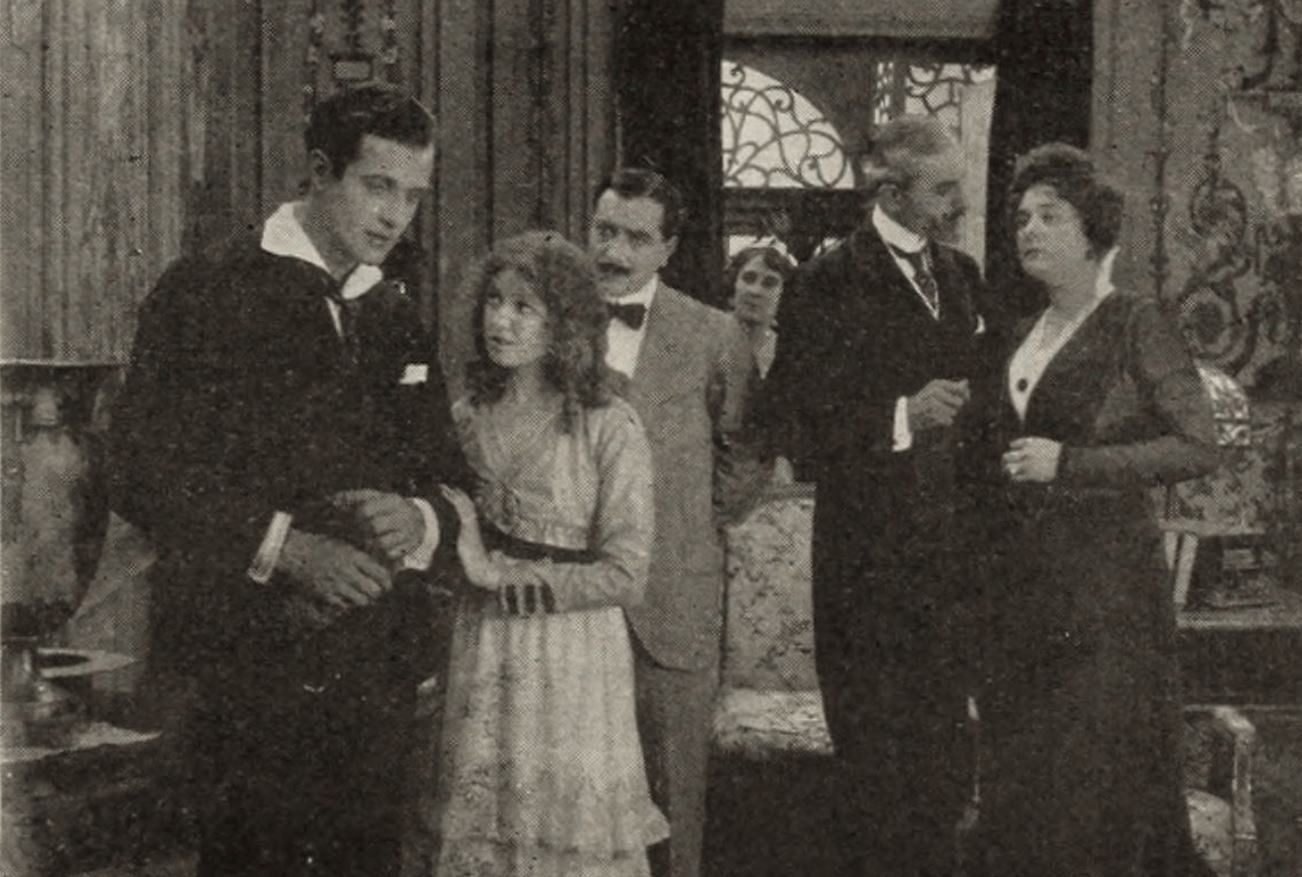
Jim's discovery of the conspiracy and his subsequent revelation to Sauverne is a moment of moral clarity, cementing his character as honorable and courageous. Sauverne's decision to engage Jim to drive the car is a direct consequence of his integrity, yet this moment of triumph is short-lived. The sudden appearance of Jim's father, Pemberton Sr., at the track, and his recognition of his son, introduces a new complication. Sauverne, upon learning Jim's true identity as the son of his employer's business rival, retracts his offer, highlighting the pervasive influence of class and corporate rivalry even in moments of high drama. Sauverne's subsequent decision to drive the car himself, driven by a sense of duty or perhaps pride, leads to the dramatic turning point: Vallon, lurking in a thicket, shoots and wounds him. This act of violence, a shocking development, clears the path for Jim's ultimate moment of glory.
Jim's impassioned plea for his chance to drive, now imbued with a sense of urgency and necessity, is granted by the wounded Sauverne. The ensuing race is the film's thrilling crescendo, a visually dynamic sequence that capitalizes on the excitement inherent in early automotive spectacles. Jim's victory is not just a personal triumph; it is a symbolic win for integrity over deceit, for the underdog over the established order. With his winnings, he fulfills his promise, taking Lili to her anxious uncle and aunt in Boston, thus completing the first arc of their intertwined journey. The automobile race, a common trope in early cinema to showcase speed and daring, here serves as a potent metaphor for the race of life itself, where true character is revealed under pressure, much like the high-stakes scenarios found in films such as Der Millionenonkel, though perhaps less focused on pure financial gain.
The denouement of "The Little Mademoiselle" skillfully untangles the various narrative threads, bringing each character's journey to a satisfying conclusion. Henry Breval, initially grateful for Lili's safe return and Jim's heroic intervention, offers Jim a position in his office. However, his gratitude is circumscribed by his unwavering commitment to his original plan for Lili's marriage to Etienne. This stubborn adherence to an outdated social custom underscores the film's subtle commentary on the clash between tradition and modern sensibilities. Jim's aspirations to court Lili are summarily dismissed, creating a renewed sense of romantic tension.
The resolution arrives in a cascade of timely revelations. Etienne, no longer able to conceal his true affections, boldly declares his secret marriage to Gabrielle. This act of defiance, while potentially scandalous in its time, is presented as a courageous assertion of personal choice, simultaneously liberating Lili from her arranged fate and paving the way for her own true love. Adding to the dramatic unveiling, Pemberton Sr. appears, revealing Jim's true identity to Breval. This moment not only clarifies the rivalrous connection but also elevates Jim's standing from mere employee to a man of substance, albeit from a competing lineage. With all the cards on the table, and with Etienne's matrimonial status firmly established, Uncle Henry, his dynastic ambitions now thoroughly thwarted, has no recourse but to consent to the marriage of Lili and Jim. It’s a classic cinematic resolution, where love conquers all, and societal barriers are dissolved by the force of genuine affection and a touch of well-timed honesty. This kind of resolution, where hidden truths and unexpected alliances pave the way for happiness, resonates with the intricate plotting found in films like Fantomas: The Mysterious Finger Print, though "The Little Mademoiselle" leans towards a more romantic rather than criminal unraveling.
"The Little Mademoiselle" is more than just a charming adventure; it's a rich tapestry woven with enduring themes. At its heart lies the universal narrative of innocence navigating a complex world. Lili's journey is a coming-of-age story, her initial vulnerability transforming into resilience and a clear understanding of her own desires. The film subtly explores class distinctions and the clash between old-world traditions and the emerging modernity of the early 20th century. Uncle Henry represents the entrenched power of wealth and social standing, attempting to dictate destinies, while Jim embodies the self-made man, whose integrity and skill ultimately transcend his humble beginnings. The automobile, a ubiquitous symbol of the era, is cleverly integrated not just as a plot device but as a metaphor for progress, freedom, and the unpredictable paths life can take.
The performances, typical of the silent era, rely heavily on expressive physicality and clear pantomime. Vivian Martin, as Lili, conveys a captivating blend of fragility and inner strength, making her character's plight genuinely empathetic. Mario Majeroni, as Jim, embodies the stoic, resourceful hero, his actions speaking louder than any intertitle could. Edward Kimball's Henry Breval is suitably imposing, while Arthur Ashley's Etienne provides the necessary romantic complication with a touch of noble self-sacrifice. The direction, while adhering to the conventions of the period, demonstrates a keen understanding of visual storytelling, using wide shots to establish settings and close-ups to convey emotion, ensuring the narrative remains clear and engaging even without spoken dialogue. The pacing is brisk, propelling the audience through a series of escalating events without ever feeling rushed or disjointed.
Comparatively, while not delving into the darker psychological territories of films like The Fatal Wedding or the intricate mysteries of The Mystery of a Hansom Cab, "The Little Mademoiselle" shares a certain adventurous spirit with films like The Master Cracksman in its protagonist's resourcefulness. Its blend of romantic entanglement, thrilling chase sequences, and a satisfying resolution ensures its place as a charming example of early American cinema. It offers a window into the societal values and narrative conventions of its time, while still delivering a universally appealing story of love, courage, and the unpredictable journey of life.
Ultimately, "The Little Mademoiselle" stands as a testament to the enduring power of narrative simplicity coupled with compelling character arcs. It's a film that reminds us that even the most carefully constructed plans can be delightfully upended by the whims of fate, and that true connection often blossoms in the most unexpected of circumstances. The journey of Lili and Jim, from accidental encounter to destined union, is a microcosm of the silent film era's ability to tell grand stories with a minimum of fuss and a maximum of emotional impact. It's a charming, engaging piece of cinematic history that, despite its age, continues to resonate with its themes of resilience, romance, and the triumph of genuine affection over societal dictates. For those who appreciate the foundational artistry of early filmmaking, this picture offers a rich, rewarding experience, a vibrant slice of a bygone era that still speaks to the heart.
IMDb —
1931
Community
Log in to comment.