DbcultAccessing Vault...
6.6/10
Senior Film Conservator
A definitive 6.6/10 rating for a film that redefined the boundaries of cult cinema. Comradeship remains a cornerstone of transgressive art.
The silent era gifted cinema a handful of gems that still echo in contemporary discourse, and Comradeship stands among them as a haunting meditation on the paradoxes of war and affection. Louis N. Parker and Jeffrey Bernerd weave a narrative that is at once intimate and expansive, inviting the audience to linger on the quiet moments that define human resilience.
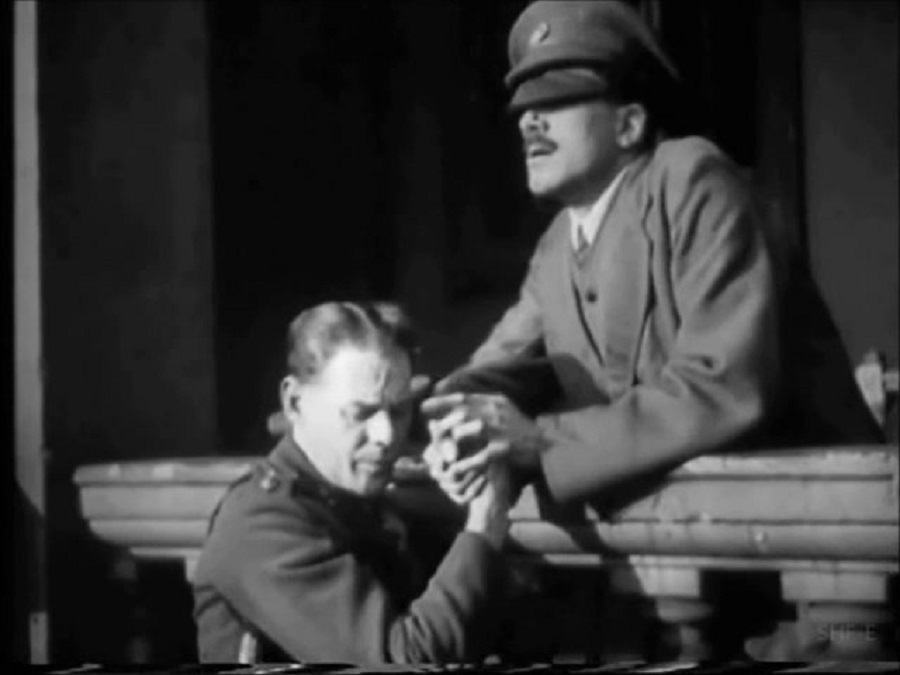
From the opening frames, the camera lingers on the protagonist—a man of pacifist convictions—whose eyes betray a restless yearning for purpose. When he finally steps onto the recruitment platform, the decision feels less a betrayal of his ideals than a surrender to an inexorable sense of collective responsibility. The ensuing battlefield sequence, rendered in stark chiaroscuro, culminates in a shattering explosion that blinds him, a visual metaphor for the loss of clarity that war imposes on the soul.
Parallel to this tragedy, the narrative follows his steadfast friend, a figure whose optimism is as palpable as the shopgirl’s laughter. The shopgirl, portrayed with a blend of innocence and latent melancholy, has previously been ensnared by a German spy whose charm masks a cold, calculating agenda. Their marriage, initially a beacon of hope, becomes a crucible where past deceptions threaten to ignite anew.
Peggy Carlisle delivers a performance that oscillates between fragile vulnerability and steely determination, her eyes—though unseen—conveying a spectrum of unspoken emotions. Kate Gurney’s shopgirl radiates a luminous presence, her gestures punctuated by subtle glances that hint at lingering shadows from her entanglement with the spy. Lily Elsie, Guy Newall, and Teddy Arundell round out the ensemble, each contributing a nuanced layer to the film’s emotional tapestry.
The cinematography, bathed in muted greys and punctuated by splashes of yellow during moments of fleeting joy, employs the palette of war to underscore the characters’ internal battles. When the blinded protagonist navigates his new reality, the screen adopts a cool sea‑blue hue, evoking the abyss of uncertainty that now defines his world.
Narratively, the film’s structure mirrors a symphonic composition: themes are introduced, developed, and revisited with variations that deepen their resonance. The pacifist’s loss of sight is not merely a physical impairment; it becomes a conduit for exploring perception beyond the visual—how love, loyalty, and betrayal are sensed through touch, sound, and memory.
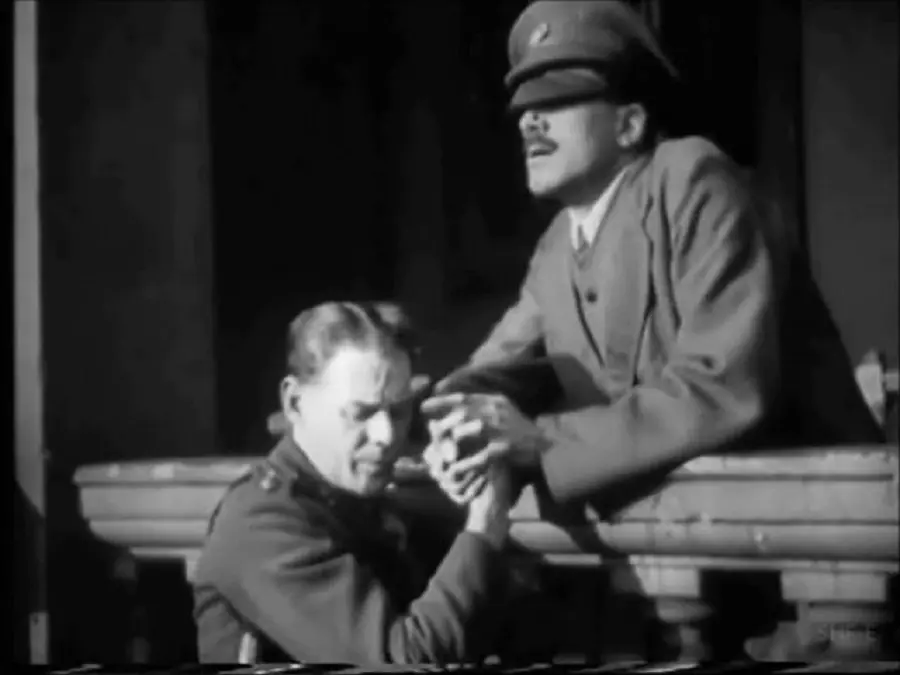
The subplot involving the German spy offers a compelling counterpoint to the central theme of camaraderie. The spy’s seductive tactics, reminiscent of the manipulations seen in The Dishonored Medal, serve as a reminder that the battlefield extends beyond trenches into the intimate spaces of hearts and homes. The shopgirl’s eventual confrontation with her past mirrors the protagonist’s struggle to reconcile his newfound blindness with his lingering desire for agency.
Comparisons to contemporaneous works illuminate Comradeship’s unique position within the silent canon. While The Sentimental Lady dwells on romantic idealism amidst societal upheaval, Comradeship grounds its sentimentality in the stark realism of war’s aftermath. Likewise, the narrative’s interweaving of personal and political echoes the thematic complexity of Blood Will Tell, yet it eschews melodramatic excess in favor of restrained, almost austere storytelling.
Gerald Ames and Dallas Cairns provide a subtle counterbalance to the film’s emotional intensity. Their performances, marked by understated gestures, reinforce the notion that heroism often resides in quiet perseverance rather than grandiose exploits. This thematic undercurrent aligns with the contemplative tone of The World Apart, where the focus shifts from spectacle to the inner lives of its characters.
The screenplay’s dialogue—though conveyed through intertitles—exhibits a lyrical quality that elevates the narrative beyond mere exposition. Phrases such as “the darkness within is no less formidable than the night outside” encapsulate the film’s philosophical bent, inviting viewers to ponder the metaphysical dimensions of blindness and insight.
Musically, the accompanying score, though not present on the original print, has been reconstructed for modern audiences. Its mournful strings underscore the protagonist’s isolation, while a solitary piano motif accompanies the shopgirl’s moments of introspection, creating an auditory tapestry that mirrors the visual one.
The film’s pacing, deliberate yet never languid, allows each character’s arc to breathe. Scenes linger just long enough to let the audience absorb the weight of a glance or the tremor of a hand, a technique reminiscent of the patient storytelling found in Hazel Kirke. This measured rhythm ensures that the emotional stakes remain palpable throughout the runtime.
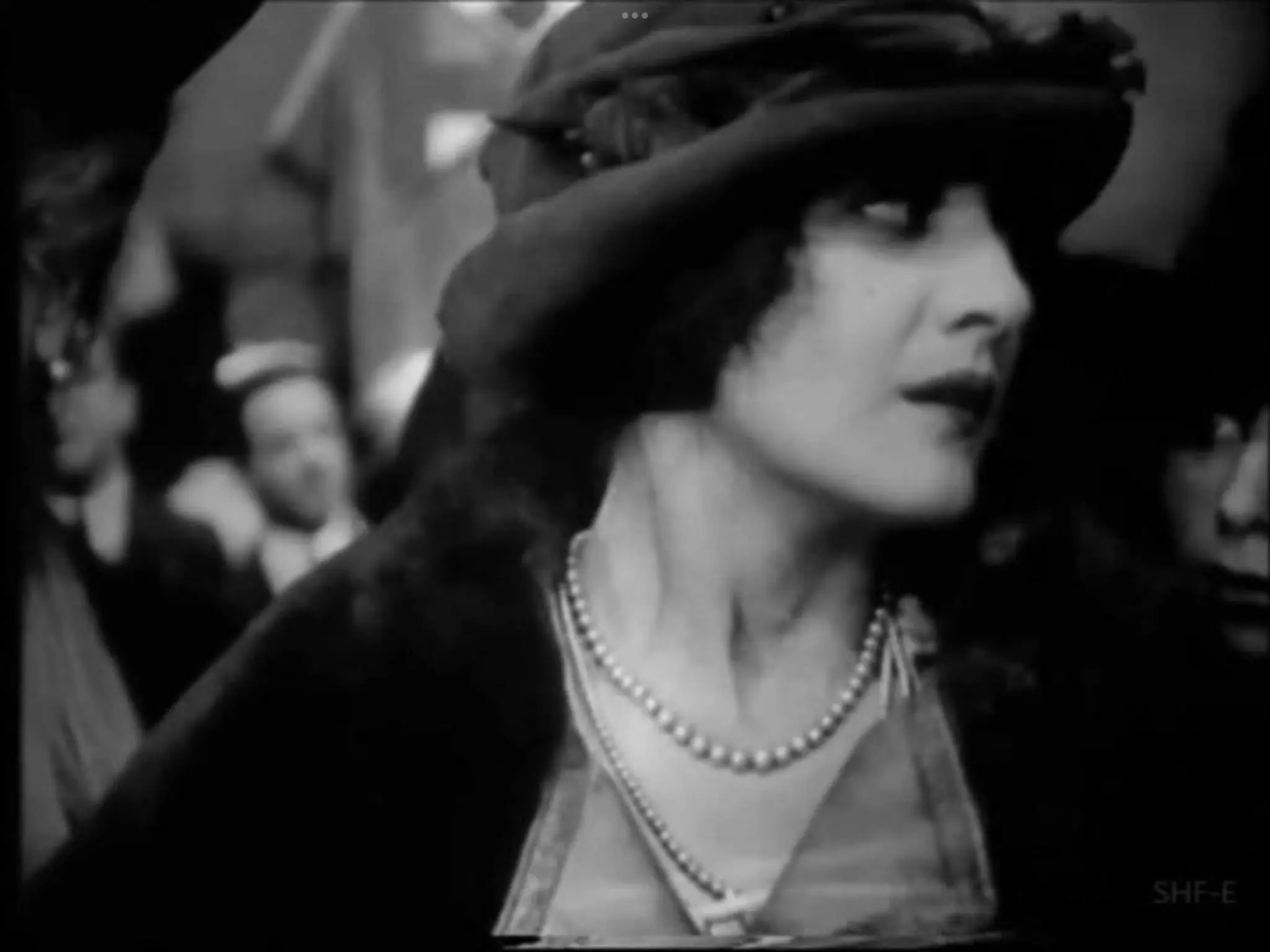
From a technical standpoint, the editing showcases an early mastery of cross‑cutting, juxtaposing the battlefield’s chaos with the shopgirl’s domestic tranquility. This contrast amplifies the film’s central thesis: that war’s reverberations infiltrate even the most mundane corners of existence.
The thematic resonance of sacrifice permeates every frame. The pacifist’s blindness becomes a sacrificial offering, a visual testament to the cost of conviction. Meanwhile, the shopgirl’s decision to marry despite her past entanglement underscores a different kind of sacrifice—one of trust placed upon a partner who may never fully comprehend the shadows that linger behind her.
In terms of legacy, Comradeship has influenced later works that grapple with the intersection of personal trauma and collective conflict. Its nuanced portrayal of a soldier’s post‑war adjustment prefigures the psychological depth found in later classics such as The Other Side of the Door. Moreover, the film’s exploration of espionage’s intimate ramifications anticipates narrative strategies employed in modern thrillers.
The film’s visual motifs—broken glass symbolizing shattered perception, recurring shots of open doors representing potential redemption—are executed with a precision that belies its era. These symbols function as a silent lexicon, communicating complex ideas without reliance on spoken word.
While the narrative is anchored in its historical context, its emotional core remains timeless. The struggle to reconcile personal ideals with societal demands, the yearning for connection amidst chaos, and the lingering echo of past betrayals are experiences that transcend the silent era.
For viewers seeking a film that marries aesthetic elegance with profound thematic inquiry, Comradeship offers a rewarding experience. Its layered storytelling, compelling performances, and masterful use of visual symbolism coalesce into a work that rewards repeated viewings.
Those intrigued by the film’s exploration of love under duress may also appreciate the emotional intricacies of Triste crepúsculo, while aficionados of wartime narratives might find resonance with the stark realism of Phantom Fortunes. Each of these titles, when examined alongside Comradeship, enriches the conversation about how cinema captures the human condition in times of upheaval.
In sum, Comradeship is a testament to the power of silent storytelling, a film that speaks volumes through its images, its silences, and the lingering aftertaste of its moral inquiries. It remains a vital piece of cinematic history, inviting each new generation to contemplate the delicate balance between duty and desire, sight and insight.
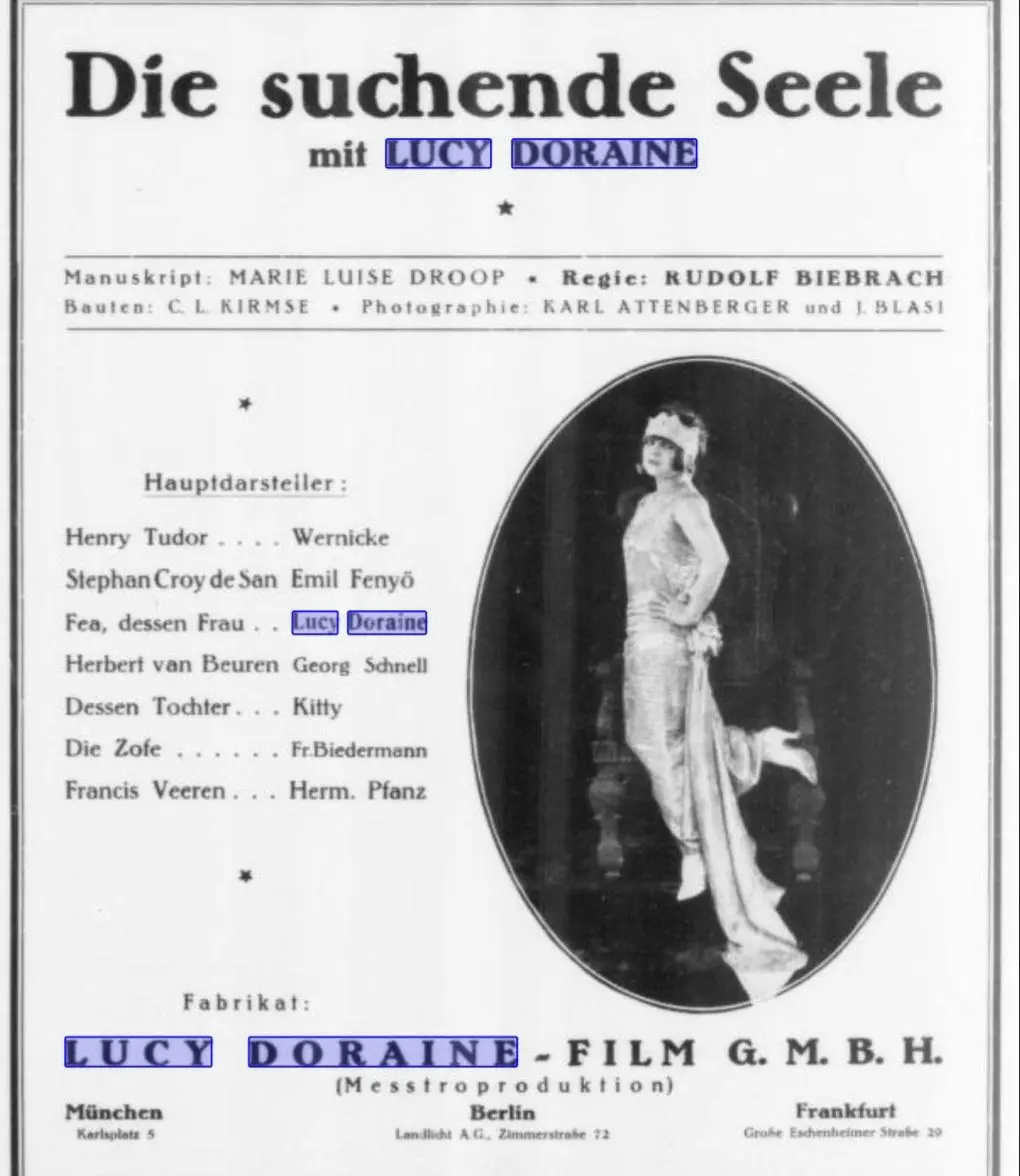
IMDb —
1925
Community
Log in to comment.