DbcultAccessing Vault...
5.1/10
Senior Film Conservator
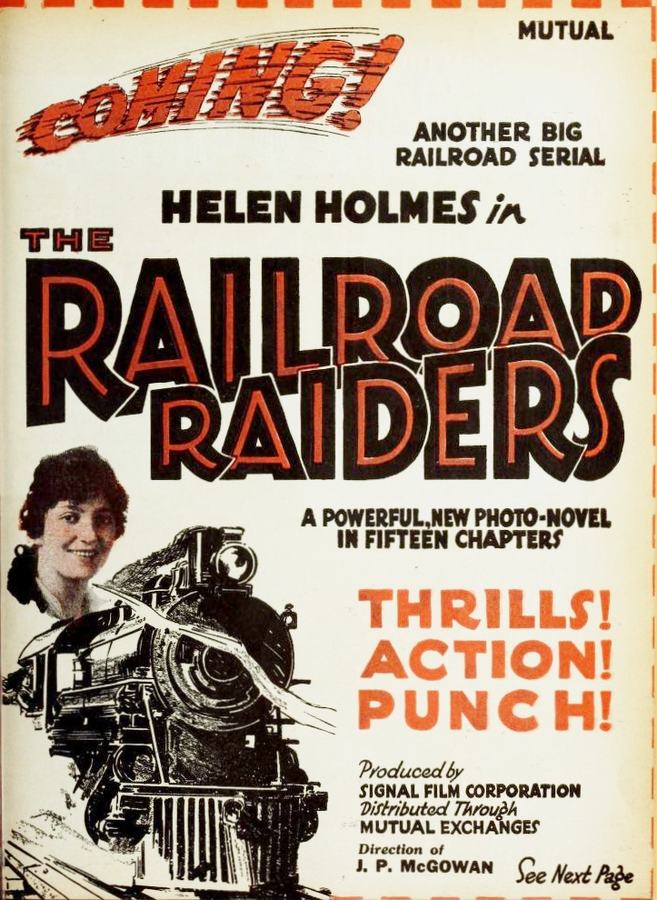
A definitive 5.1/10 rating for a film that redefined the boundaries of cult cinema. The Railroad Raiders remains a cornerstone of transgressive art.
From the smoky, bustling depots of a bygone era emerges The Railroad Raiders, a thrilling cinematic serial that, even a century removed from its original release, captures the raw, unadulterated essence of early American adventure filmmaking. This isn't just a film; it's a meticulously crafted tapestry of daring escapes, corporate intrigue, and the indomitable spirit of its protagonist, Helen Holmes. As we delve into Chapter 12, "A Fight for the Franchise," we are not merely observing a plot unfold; we are witnesses to a pivotal moment in the K and W Railroad's destiny, a battle waged not with bullets and brawls, but with wit, subterfuge, and a cleverly altered document. In an age where the silver screen was still finding its voice, serials like this offered audiences an episodic escape, a weekly dose of suspense that left them yearning for the next installment. Directed in part by the versatile J.P. McGowan, who also graces the screen as the villainous Thomas Desmond, and penned by a collective of imaginative minds including Paul Hurst, Ford Beebe, Frederick Bennett, and Frank H. Spearman, this particular chapter stands as a testament to the era's narrative ingenuity and its enduring appeal.
Chapter 12 plunges us headfirst into the murky waters of corporate malfeasance. The very foundation of the K and W Railroad, under the leadership of its earnest president, Roy Wilson (portrayed with a compelling blend of integrity and vulnerability by William Brunton), is threatened by an insidious plot. Wilson, alongside the ever-vigilant Helen Holmes, finds himself increasingly wary of Thomas Desmond, the railroad superintendent, whose dealings with the shadowy Boss Hogan reek of treachery. It’s a classic setup: the trusted insider, seduced by greed, conspiring against the very institution he’s sworn to uphold. The genius of this chapter lies in its almost voyeuristic opening. Through a serendipitously open window at Desmond's house, Holmes and Wilson become unwitting eavesdroppers, privy to the conspirators’ brazen exposé of their own double-cross. They hear, with chilling clarity, the plot to divert the lucrative Copper City franchise — a prize of immense strategic and financial value — to The Eastern Railroad Company. This isn't just a simple betrayal; it's a calculated maneuver designed to cripple the K and W, a ruthless act of industrial sabotage veiled in contractual legitimacy.
The scene is remarkably tense, despite the inherent limitations of silent film. The audience, through Holmes and Wilson's eyes, is drawn into the hushed urgency of the moment. We see the incriminating contract, the very instrument of their downfall, placed nonchalantly in a desk. We hear the specifics of their scheme: Wallace Burke (Leo D. Maloney), the unsuspecting courier, is to be dispatched to Copper City the following day to secure Hogan's all-important signature. It’s a race against the clock, a ticking time bomb of corporate deceit. The brilliance here is not in complex dialogue – which is absent, of course – but in the precise staging and the palpable sense of impending doom conveyed through the actors' expressions and body language. J.P. McGowan, in his dual role as actor and director, crafts Desmond as a figure of cunning malevolence, his very presence radiating a quiet menace that underpins the entire chapter. This narrative device, where heroes gain crucial information through eavesdropping, is a staple of suspenseful storytelling, and its execution here is both elegant and effective, setting the stage for the daring counter-offensive.
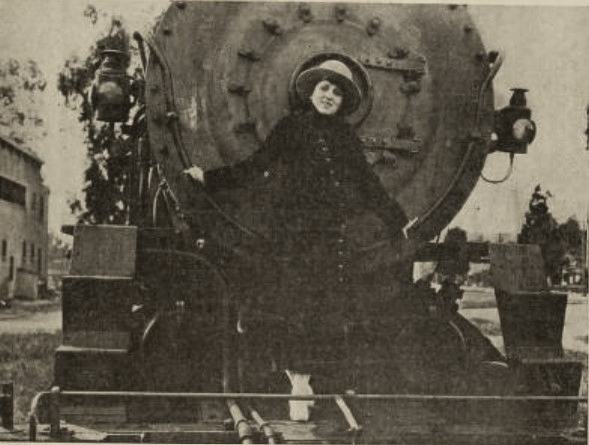
No discussion of The Railroad Raiders would be complete without reverential acknowledgment of Helen Holmes. In an era where female characters were often relegated to damsel-in-distress archetypes, Holmes was a trailblazer, a veritable proto-feminist icon of action and agency. Her portrayal in this serial, and particularly in "A Fight for the Franchise," transcends mere performance; it's a statement. She is not simply a passive observer; she is the catalyst for action, the quick-thinking strategist who propels the narrative forward. When faced with the overwhelming evidence of Desmond's betrayal, it is Holmes who takes the initiative, demonstrating a remarkable blend of courage and cunning. Her character embodies a nascent form of female empowerment on screen, challenging traditional gender roles and presenting a heroine capable of outwitting villains and navigating complex industrial espionage with aplomb. This active, resourceful portrayal distinguishes her from many contemporaries and sets a precedent for strong female leads in cinema. One could argue her spirit of adventurous independence rivals even the most daring protagonists found in other period pieces, such as the titular character's journey in The Princess of India, though Holmes's challenges are rooted in the grit of industrial America rather than exotic locales. Her dynamic presence ensures that the audience's engagement is constantly piqued, as she consistently proves herself to be more than a match for the nefarious schemes unfolding around her.
The true genius of this chapter unfolds in the counter-plot devised by Holmes and Wilson. With the precision of master strategists, they make a clandestine copy of the original contract. But merely copying it isn't enough; they audaciously alter it, meticulously placing "The A and K Railroad" onto the franchise line, effectively hijacking the conspirators' scheme from within. This act of forgery, though on the side of perceived justice, adds a fascinating layer of moral ambiguity, highlighting the lengths to which even the "good" guys must go to combat corruption. It's a pragmatic approach to heroism, acknowledging that sometimes, to fight fire, one must wield a little flame oneself. This kind of resourceful, slightly illicit problem-solving gives the narrative an edge, making the protagonists more relatable and less purely idealistic. The tension in this sequence is derived not from brute force, but from the intellectual chess match being played, a testament to the writers' ability to craft compelling drama without relying solely on physical confrontations.
The execution of this plan requires a specialist, leading us to one of the chapter's more colorful characters: Lightfingered Tom (Marvin Martin). His very name conjures images of a bygone underworld, a specialist in discreet pilfering. Securing his services is another stroke of ingenuity, demonstrating Holmes and Wilson's willingness to operate outside conventional boundaries when the stakes are high. Tom's mission is deceptively simple yet fraught with peril: pick Wallace Burke's coat pocket and switch the contracts. This moment, ripe for tension, showcases the serial's ability to build suspense around seemingly mundane actions. The success of the K and W Railroad, and indeed the thwarting of Desmond's villainy, hinges entirely on Tom's nimble fingers and the seamlessness of the exchange. The scene itself, though brief, would have been a masterclass in visual storytelling for silent film, relying on quick cuts, close-ups (if available within the era's technical lexicon), and the actors' subtle performances to convey the high stakes. The inherent danger of such a task, where discovery means immediate failure, elevates the thrill factor considerably, making Lightfingered Tom's role pivotal despite its brevity. The inclusion of such a character adds a touch of street-level realism to the corporate machinations, blurring the lines between high society and the underworld, much like how the socio-economic disparities are often explored in films like The Crisis, albeit in a different context.
The narrative propulsion of "A Fight for the Franchise" is a testament to the collaborative efforts of its writers—Paul Hurst, Ford Beebe, Frederick Bennett, and Frank H. Spearman. Their combined talents weave a tight, suspenseful plot that, despite its simplicity by modern standards, is remarkably effective. The pacing is relentless, moving from discovery to counter-plan to execution with an almost breathless urgency. This is characteristic of serials, designed to maintain audience engagement and ensure their return week after week. The performances, too, are noteworthy. William Brunton's Roy Wilson provides a steady, earnest counterpoint to Helen Holmes's more dynamic persona, creating a balanced heroic duo. J.P. McGowan’s portrayal of Desmond is understated yet menacing, embodying the quiet corruption that often lurks beneath the surface of respectability. Marvin Martin, as Lightfingered Tom, likely brought a flash of roguish charm to his brief but crucial role, adding a touch of the colorful underworld to the high-stakes corporate drama. The entire ensemble, including William Behrens, Florence Holmes, and others like G.H. Wischussen, Frank Hemphill, Paul Hurst (also a writer), and William Buhler, contribute to the tapestry, even in smaller capacities, creating a believable world of allies and adversaries that feels lived-in and authentic.
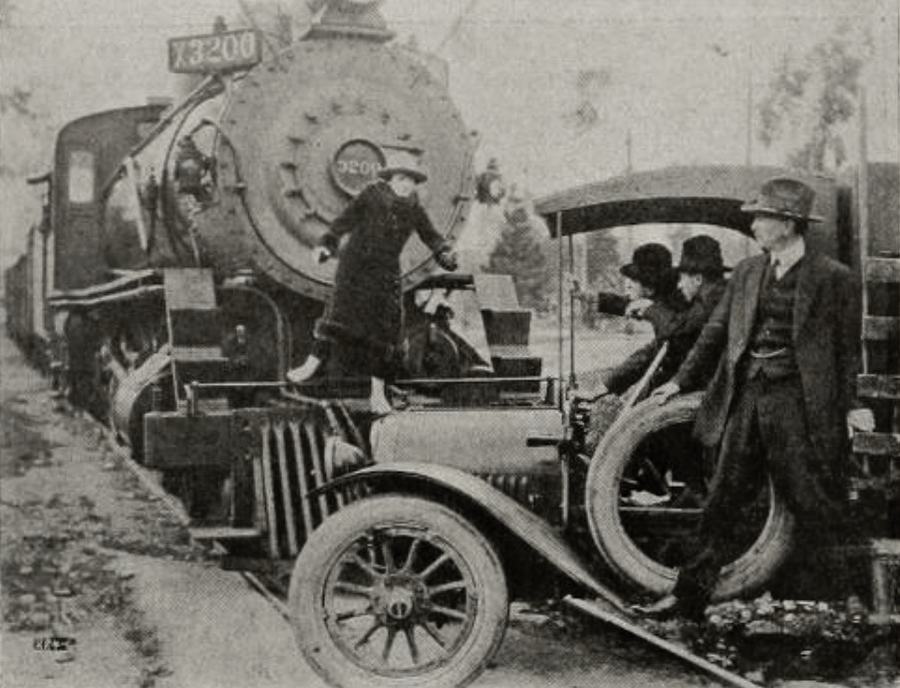
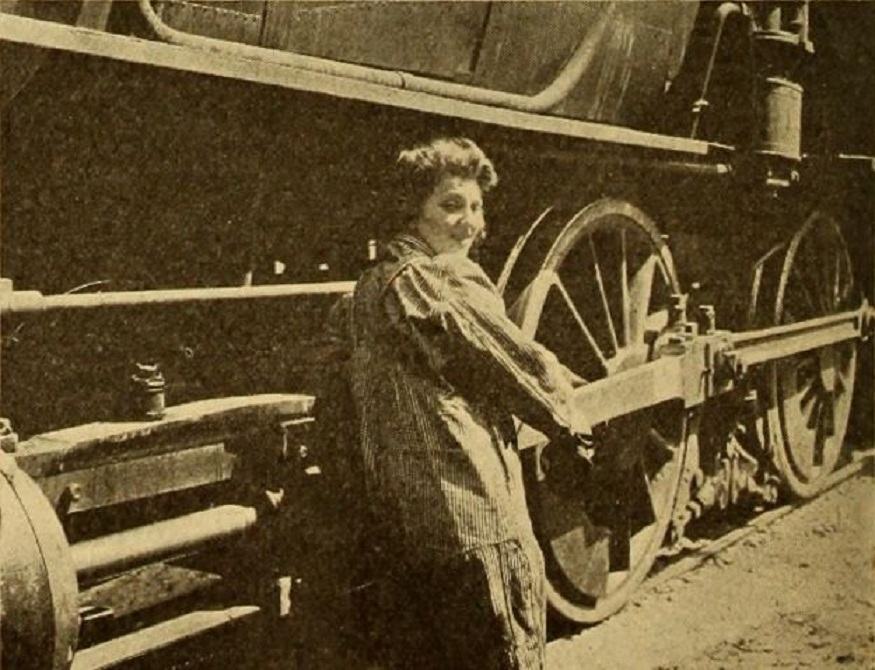
The technical aspects of a film from this era, while basic compared to today's blockbusters, are fascinating in their own right. The direction by J.P. McGowan, who also notably appeared in The Man Trail and A Man's Making, would have emphasized clear visual storytelling, relying heavily on action, expressive acting, and perhaps title cards to convey crucial dialogue or plot points. The use of real trains and locations, a hallmark of early cinema, would have lent an undeniable authenticity to The Railroad Raiders. These weren't green-screen simulations; these were tangible, powerful machines thundering across real landscapes, lending a visceral thrill that CGI often struggles to replicate. The very presence of actual railroad infrastructure grounds the fantastical elements of the plot in a believable, industrial reality, reflecting the immense importance of rail transport in the burgeoning American economy of the time. This commitment to practical effects and location shooting imbued serials with a raw energy that continues to captivate, much like the rugged authenticity celebrated in films such as The Great White Trail.
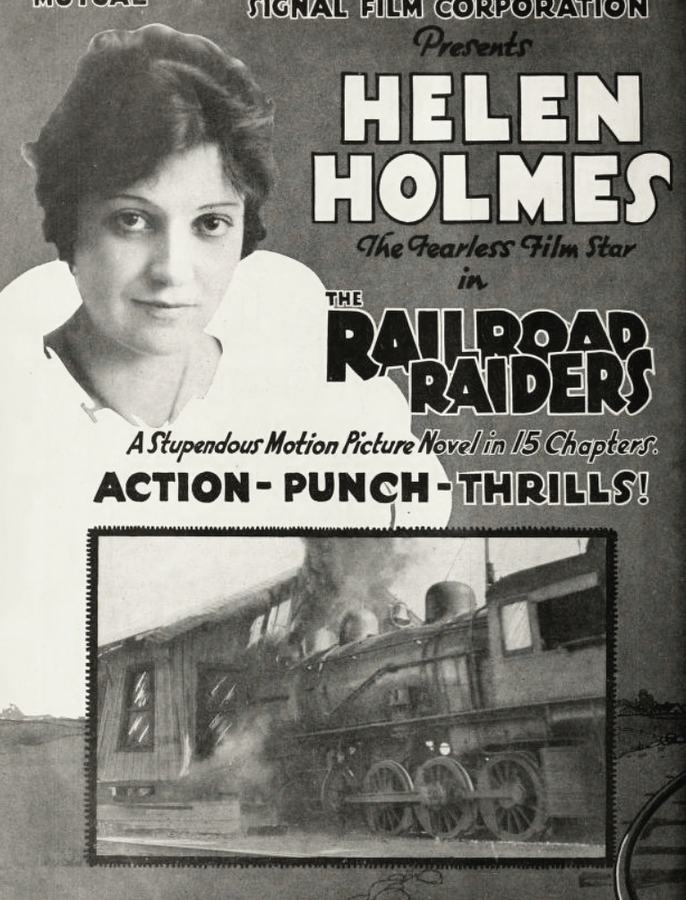
Serials like The Railroad Raiders were the television shows of their day, drawing massive audiences and fostering a unique communal viewing experience. Each chapter was designed to conclude with a cliffhanger, leaving audiences on the edge of their seats, eagerly anticipating the next installment. This episodic structure, honed by the likes of writers such as Ford Beebe (who would later contribute to numerous B-movies and serials), proved incredibly effective in building a loyal fanbase. The themes explored—corporate greed, heroic defiance, the triumph of ingenuity over corruption—are timeless, resonating with audiences then as they do now. While the specific technology and societal norms have evolved, the core human dramas remain universally compelling. The rapid expansion of railroads in America during this period was a testament to industrial ambition, but also a hotbed for the kind of corporate intrigue depicted, making the narrative feel deeply rooted in contemporary anxieties and aspirations. This blend of escapism and social commentary ensured their widespread popularity.
Comparing The Railroad Raiders to other films of its era highlights its unique blend of action and intrigue. While films like His Majesty, the Scarecrow of Oz offered fantastical escapes and Peterburgskiye trushchobi delved into social realism, The Railroad Raiders carved out its niche in the realm of high-octane, industrial-age adventure. It wasn't just about good versus evil in a simplistic sense; it was about the complex interplay of power, money, and personal integrity in a rapidly industrializing nation. The film, through its various chapters, painted a vivid picture of the American landscape, both physical and moral, during a period of immense change. The underlying currents of economic competition and the ruthless pursuit of profit, as depicted in this chapter, reflect a societal anxiety about unchecked corporate power that remains pertinent. The narrative's sophisticated plotting, even for a serial, shows a maturity in storytelling that separates it from more simplistic genre fare, offering an intellectual thrill alongside the physical derring-do.
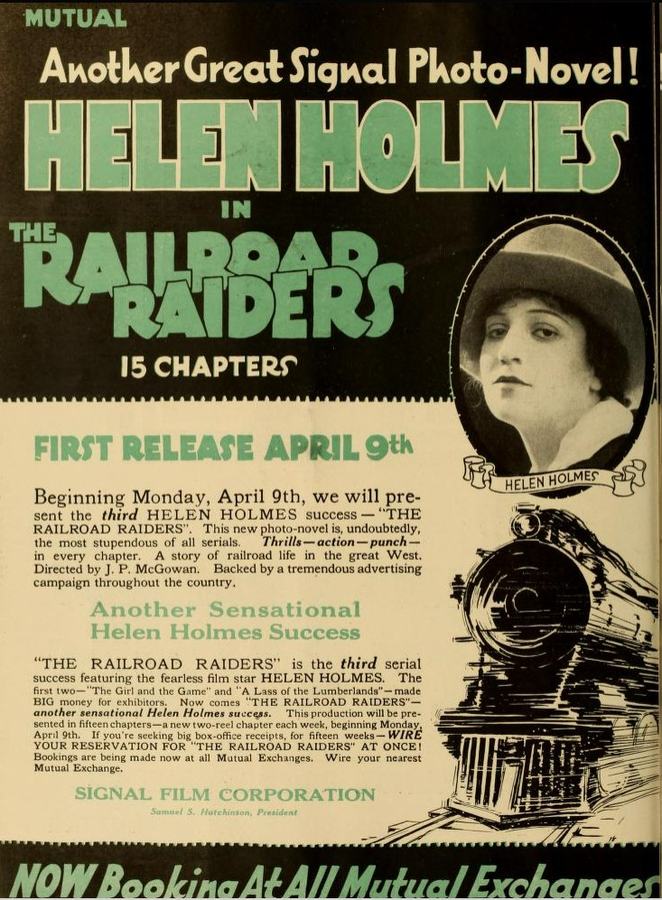
The legacy of such serials extends far beyond their initial theatrical runs. They laid the groundwork for modern action films, spy thrillers, and even the serialized storytelling prevalent in today's television landscape. The quick pacing, the emphasis on practical stunts, and the clear delineation between heroes and villains, all find their roots in these early episodic adventures. Helen Holmes, in particular, stands as an archetype for future female action heroes, proving that strength, intelligence, and daring were not exclusively male domains on screen. Her character’s proactive stance in "A Fight for the Franchise" is a powerful example of this groundbreaking representation. This chapter, with its intricate scheme and daring counter-plot, serves as a blueprint for countless narratives of espionage and corporate subterfuge that would follow, solidifying its place not just as entertainment, but as an influential piece of cinematic history.
Chapter 12, "A Fight for the Franchise," is a microcosm of what made The Railroad Raiders such a captivating serial. It’s a tightly wound tale of corporate espionage, daring ingenuity, and the relentless pursuit of justice. It showcases the raw talent of its cast, particularly Helen Holmes, and the storytelling prowess of its writers and director. For those interested in the evolution of cinema, or simply seeking a thrilling adventure from a bygone era, this chapter offers a compelling glimpse into the foundational elements of popular storytelling. It reminds us that even without synchronous sound or elaborate special effects, early filmmakers could craft narratives that resonated deeply, thrilling audiences with the sheer power of visual storytelling and compelling characters. The stakes, though seemingly quaint by modern standards, felt incredibly real to contemporary viewers, who followed the K and W Railroad's fortunes with bated breath. This chapter, with its clever plot twist and nail-biting execution, encapsulates the enduring appeal of silent film serials and solidifies The Railroad Raiders' place as a significant piece of cinematic history. It's not just a historical artifact; it's a vibrant, living piece of entertainment that continues to engage and impress, proving that the thrill of the chase and the battle against corruption are truly timeless themes.
IMDb —
1926
Community
Log in to comment.