DbcultAccessing Vault...
5.9/10
Senior Film Conservator
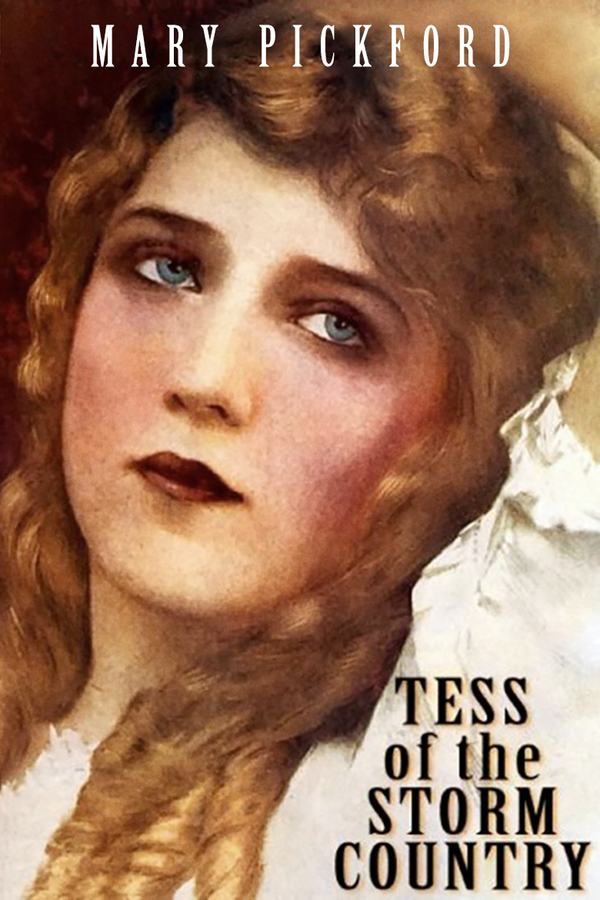
A definitive 5.9/10 rating for a film that redefined the boundaries of cult cinema. Tess of the Storm Country remains a cornerstone of transgressive art.
When Tess of the Storm Country first flickered across the silver screens of 1914, it arrived at a moment when the language of cinema was still being forged. The film, directed by the industrious Harold M. Shaw and penned by Grace Miller White and B.P. Schulberg, is anchored by the luminous presence of Mary Pickford, whose performance predates the star‑manufacturing machinery that would later define Hollywood. In the century since, scholars have revisited the work not merely as a relic of melodrama, but as a vivid tableau of class conflict and gendered agency in the early American frontier.
The narrative unfolds with a deliberate, almost literary pacing. John Barlow (David Hartford), a wealthy landowner, is introduced not as a villain per se, but as a product of an emergent capitalist ethos that regards the land as a commodity to be maximised. His attempts to displace the squatters are portrayed through a series of escalating legal maneuvers and physical intimidation, a sequence that mirrors the real‑world homesteading disputes of the late 1800s. Tess (Pickford), meanwhile, is rendered as a complex hybrid of the pastoral heroine and the proto‑feminist rebel. Her relationship with Ben (Harold Lockwood) provides a tender counterpoint to the looming menace of Barlow’s ambitions.
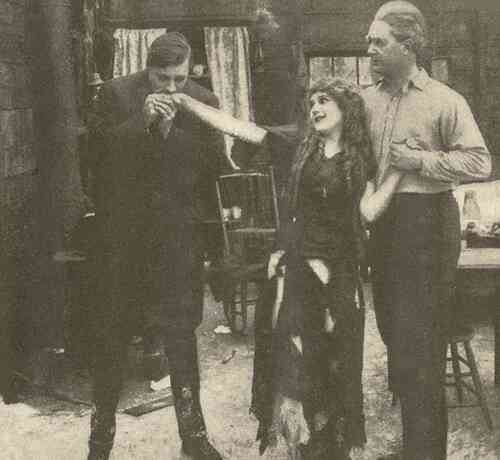
The film’s central crisis erupts when a farmer is found dead, and circumstantial evidence points to Ben. The false accusation operates on two levels: it is a narrative catalyst that propels the drama forward, and it serves as a critique of a justice system that favours the affluent. The courtroom scenes, though staged with the theatricality typical of the era, are imbued with a tension that feels eerily contemporary, echoing modern debates about wrongful convictions.
Pickford’s Tess is a study in nuanced expressiveness. Without the aid of dialogue, she conveys desperation, hope, and defiance through a choreography of glances, gestures, and the occasional tear‑streaked cheek. Her chemistry with Lockwood is palpable; the pair’s silent exchanges suggest a depth of feeling that transcends the film’s modest production values. David Hartford, as the aristocratic Barlow, delivers a restrained performance that avoids caricature, instead portraying a man torn between his own ambition and an emerging, if reluctant, conscience.
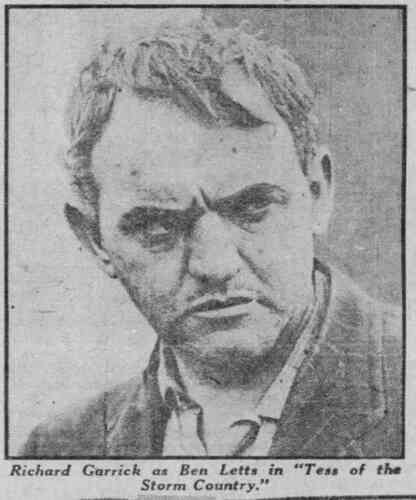
Supporting players such as Olive Carey (the sympathetic neighbor) and Richard Garrick (the local sheriff) enrich the tapestry, each contributing to the film’s layered social portrait. Notably, the cinematography—while limited by the static framing of early silent film—makes effective use of natural light to underscore the stark contrast between the lush, sun‑kissed fields and the shadowed interiors where deceit brews.
To fully appreciate Tess of the Storm Country, one might consider its thematic kinship with other early twentieth‑century dramas that interrogate land, law, and morality. For instance, the Australian silent epic The Squatter's Daughter (1922) explores similar tensions between settlers and the entrenched elite, while Oliver Twist (1912) dramatizes the plight of the underclass in an urban setting. Both films, like Tess, employ melodramatic tropes to foreground social critique, a strategy that resonates with modern audiences attuned to narratives of systemic injustice.
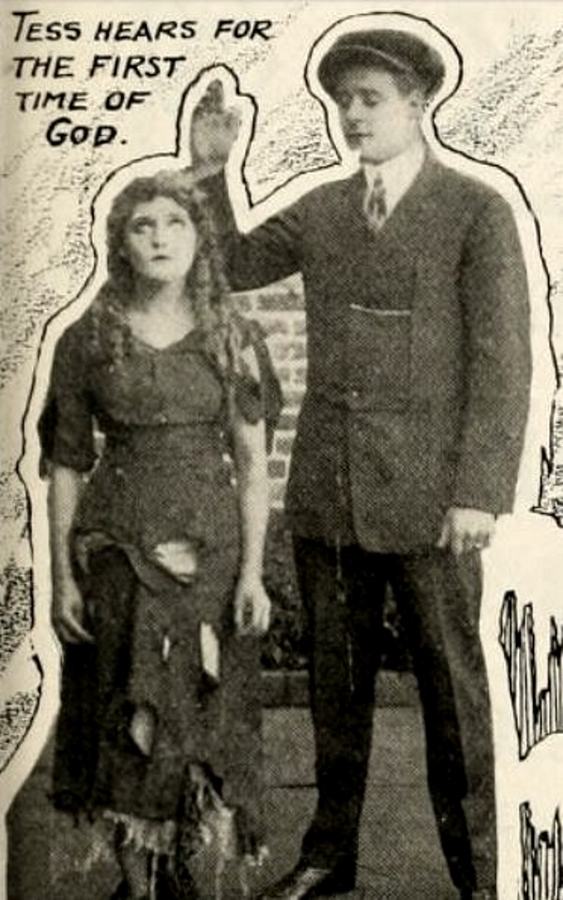
From a technical standpoint, the film’s intertitles are succinct yet evocative, providing just enough exposition to guide the viewer without disrupting the visual flow. The editing, though rudimentary by today’s standards, demonstrates an early grasp of cross‑cutting—particularly in the climactic storm sequence where the elements themselves become a character, mirroring Tess’s inner turmoil.
The use of natural locations—rolling fields, a modest farmhouse, and a tempest‑tossed riverbank—contributes an authenticity that studio back‑lots often lack. This aligns the film with contemporaneous nature‑centric works such as Glacier National Park (1915), which celebrated the American landscape as a narrative force.
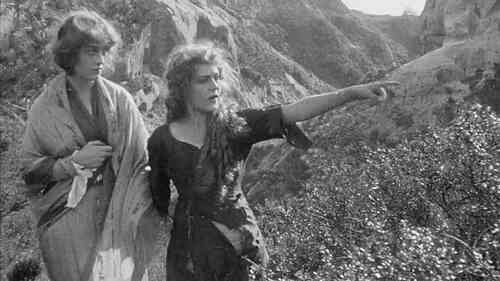
Although Tess of the Storm Country does not enjoy the same household recognition as Pickford’s later feature Tess of the D'Urbervilles, its influence permeates the silent era’s treatment of rural melodrama. The film contributed to the solidification of Pickford’s “America’s Sweetheart” persona, a branding that would later be dissected by scholars examining early celebrity culture.
Moreover, the film’s exploration of wrongful accusation prefigures narrative arcs seen in later courtroom dramas, from the 1930s classic Judge Hardy’s Children to contemporary legal thrillers. Its depiction of a woman confronting patriarchal oppression anticipates the feminist readings applied to later works such as Les Misérables (1917) and even modern reinterpretations of classic literature.
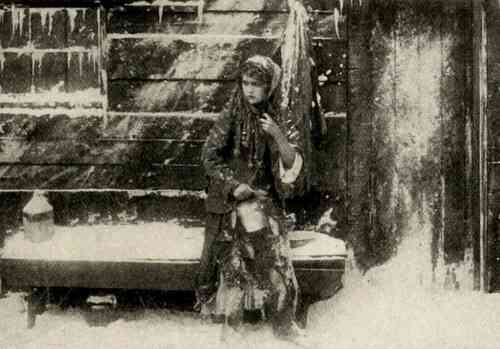
Contemporary reviews praised the film’s emotive power and Pickford’s magnetic performance, while modern critics tend to focus on its sociopolitical undercurrents. The Journal of Early Cinema (2020) highlighted the film as a "proto‑social realist" piece, noting its capacity to “render class antagonism visible within the constraints of silent storytelling.”
In recent retrospectives, the film has been screened alongside other early 1910s melodramas to illustrate the evolution of narrative complexity in American cinema. These programs often juxtapose it with works such as The Black Chancellor (1915) and Red and White Roses (1913), underscoring a shared preoccupation with moral ambiguity and societal critique.
In sum, Tess of the Storm Country stands as a compelling artifact of silent cinema, marrying a heartfelt love story with incisive commentary on class, gender, and justice. Its visual language, though simple, is suffused with a lyrical quality that elevates the melodrama beyond mere sentimentality. For scholars, cinephiles, and casual viewers alike, the film offers a window into the cultural anxieties of its era while reminding us that the storm of injustice is a timeless narrative force.
Keywords: silent film, Mary Pickford, early American cinema, class conflict, wrongful accusation, melodrama, 1914, film analysis
IMDb 6.5
1934
Community
Log in to comment.