DbcultAccessing Vault...
Cult Review
Senior Film Conservator
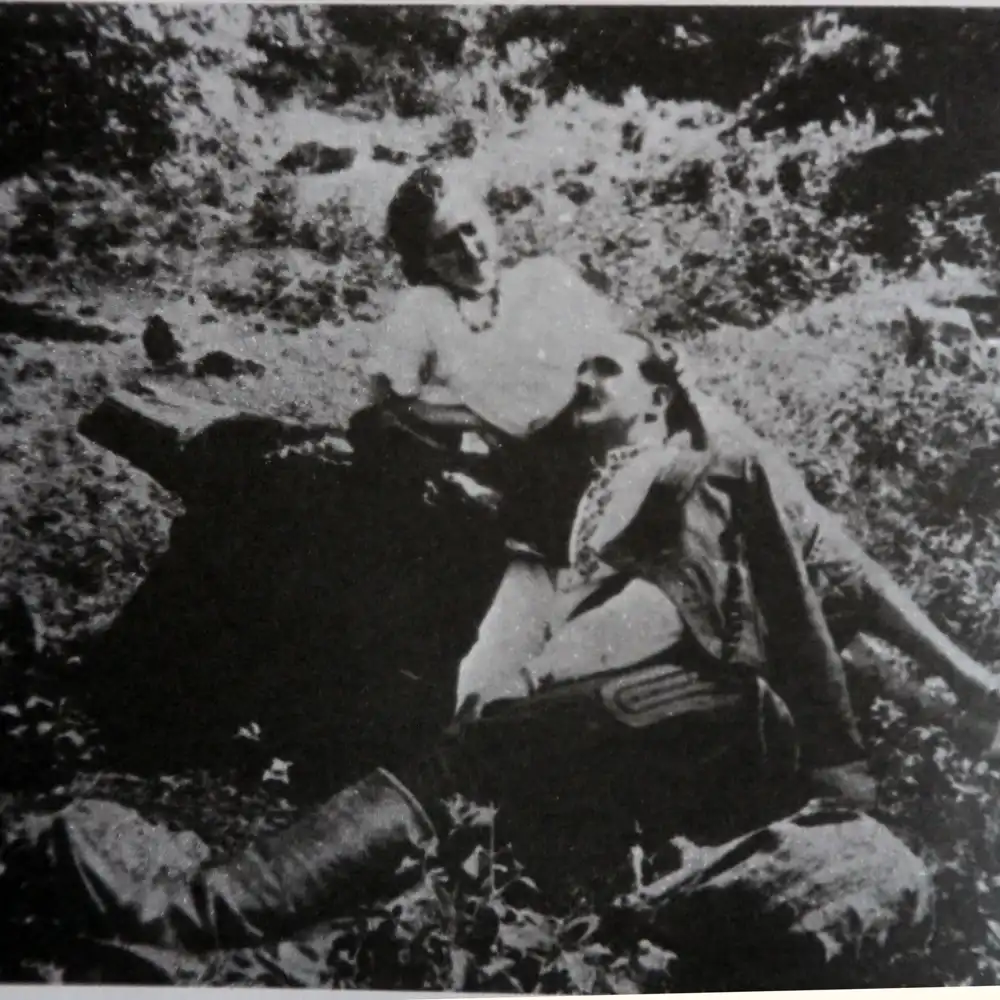
So, Kogato lyubovta govori. If you’re into old films, especially silent ones that really dive into the messy side of human feelings, then yeah, this is absolutely worth a watch. It’s a raw, almost *primal* story, a real piece of early Bulgarian cinema. People who appreciate the historical context and the unique storytelling methods of that era will find a lot to chew on. But if you need modern pacing, snappy dialogue, or subtle performances, you’ll probably find yourself a bit lost. It’s definitely not for everyone, this one. Prepare for melodrama, okay? 😬
The whole thing is built around Lepo, this field-keeper played by Panayot Kenkov, who is just utterly gone for Voyka, the miller's daughter. He’s obsessed, in a way that feels less like sweet romance and more like a slow-burning fire. Every glance he gives her, every desperate gesture, it just screams how consumed he is.
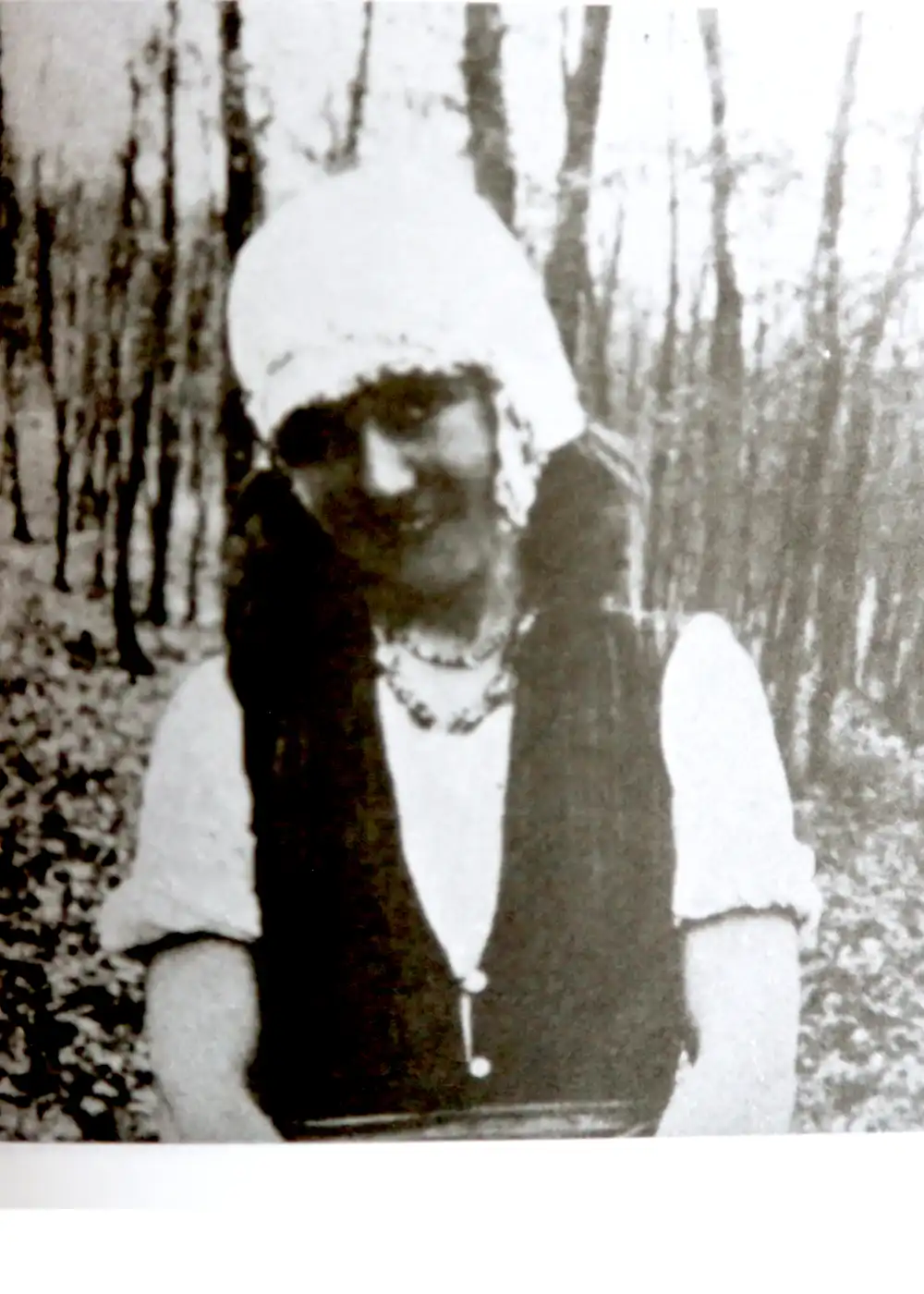
And Voyka, well, she’s got this **whimsical** vibe, you know? Played by Leda, she's undeniably beautiful, but also a little bit of a tease. You can see it in her smiles, the way she looks away sometimes, almost daring Lepo to chase her harder. It’s subtle for a silent film, conveyed through slight turns of the head and quick blinks, but it’s absolutely there. She doesn't seem to grasp the intensity of Lepo’s feelings, or maybe she just chooses not to.
Things really start to spin when Gegi shows up. He’s the well-to-do type, played with an almost effortless swagger. When he first appears, maybe on a nice horse or in finer clothes, he just oozes confidence. This contrast between the passionate, struggling Lepo and the calm, secure Gegi immediately sets up the central conflict. It’s a classic setup, but it’s done with such clear visual language.
Kenkov as Lepo, man, he really sells the torment. There’s a scene where he’s just staring, and his eyes... they’re so wide, almost bulging, filled with a mix of longing and despair. You can practically *feel* his heart twisting into something ugly. It’s not just sadness; it’s this creeping, dark obsession that slowly takes over his entire being. His movements become a little more frantic, a little less controlled, as the film progresses.
The story itself is classic melodrama, really. A love triangle gone horribly wrong, rural style. The simplicity of the setting actually heightens the drama. There’s no escape, no easy way out of these entangled emotions. Everyone is kind of stuck together, witnessing everything.
There's a moment, not too long after Gegi's arrival, where Lepo gets his hands on a new shotgun. It’s not a fancy weapon, just a plain, functional tool, but the way he holds it, how the camera sort of lingers on it for a beat... it’s incredibly unsettling. You know right then that this isn't going to end well. That shotgun becomes almost another character, really, a heavy, silent promise of violence that hangs over the entire latter half of the film.
I found myself really paying attention to the faces in this film. In silent movies, it’s all about the expressions, right? And Leda, who plays Voyka, she's got this innocent look that somehow makes her playful nature feel even more impactful. She’s not malicious, just a bit thoughtless, perhaps? It’s a good contrast to Lepo’s intense, brooding gaze, which gets darker and darker. You see the light leave his eyes, little by little. It’s pretty heavy.
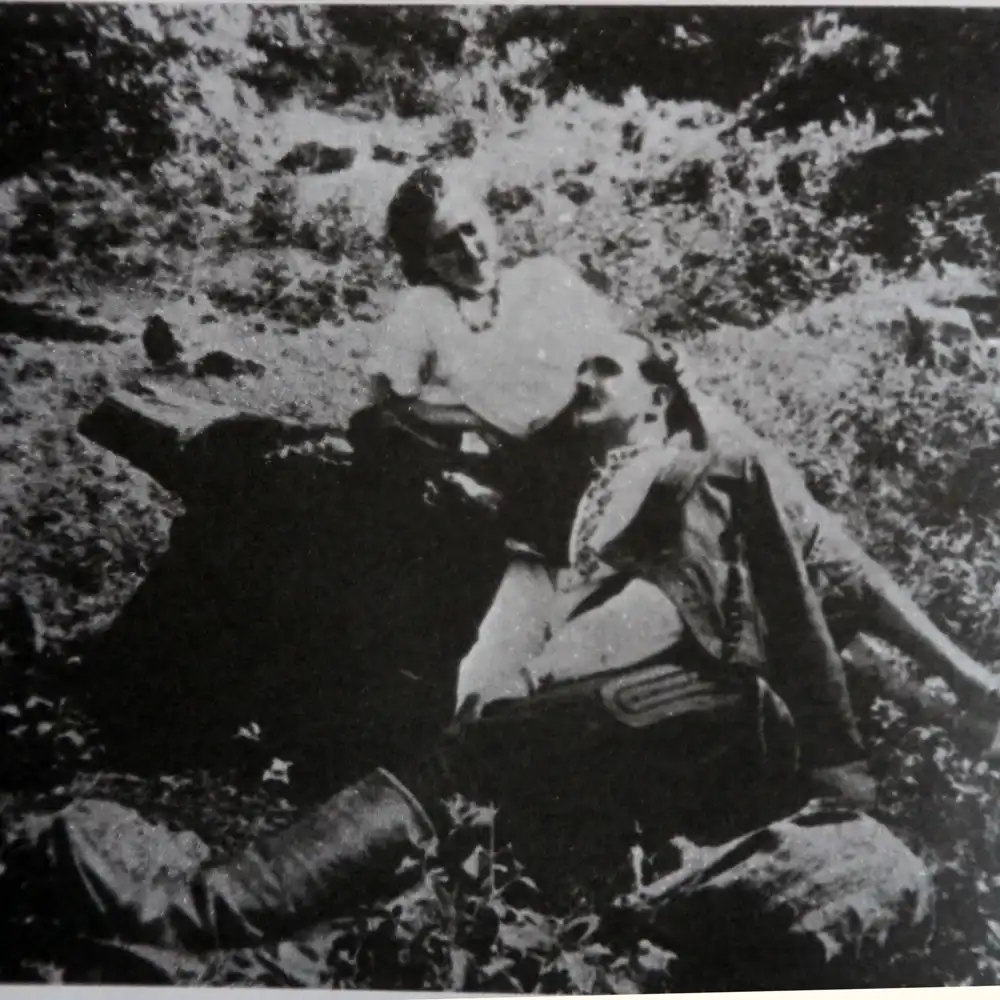
The outdoor shots are pretty great, too. They’re not super polished, but they feel very real. You get a strong sense of the rural life, the dusty roads, the simple homes. This grounding in a tangible, almost rustic world adds to the raw, unvarnished feeling of the whole thing. The mill itself, with its big wheel turning, provides this constant, almost *relentless* backdrop to the human drama unfolding. The sound of the grinding (imagined, of course) would have been a constant drone, too.
One small thing, a bit random maybe, but there's a quick shot of a group of villagers watching something unfold. Their faces are just so *curious*. Not shocked, not angry, just watching. It felt so real, that passive observation. Like they’ve seen these kinds of human dramas play out before, or they're just fascinated by the spectacle of someone else's unraveling. It’s a very human touch in a film that could otherwise feel very theatrical.
When Lepo finally makes his "fatal actions," it’s less about a single dramatic event and more about the slow, agonizing build-up. The tension just keeps ratcheting up, and you’re waiting for the explosion. It’s not a subtle film, no sir. It really really leans into it, with grand gestures and stark emotional displays. This is not a film that holds back on the drama; it revels in it, almost. You can see the roots of later melodramas here, for sure.
What stuck with me, I guess, is how *direct* it is. There’s no wasted motion, no unnecessary scenes. Every gesture, every lingering look, it pushes the story forward with an undeniable force. And for a silent film, that kind of clarity is super important. The story comes across perfectly clear, even without spoken words. It’s not trying to be anything it isn’t; it’s a straightforward, gut-punch of a story about obsession.
I mean, you could argue the pacing is a bit slow in parts, especially by today's standards. But then again, it gives you time to really soak in the emotions, even the over-the-top ones. You’re forced to linger on those intense facial expressions and the unfolding tragedy. It feels like a window into a different time, both in filmmaking and in how emotions were portrayed on screen. The whole thing, it just gets under your skin, somehow. A really intense experience, this one. 💔 You won't forget Lepo's face anytime soon.
IMDb —
1919
Community
Log in to comment.