DbcultAccessing Vault...
7.4/10
Senior Film Conservator
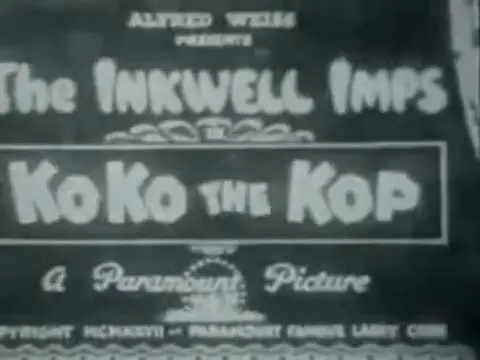
A definitive 7.4/10 rating for a film that redefined the boundaries of cult cinema. KoKo the Kop remains a cornerstone of transgressive art.
Is 'KoKo the Kop' worth watching today? Short answer: absolutely, but with a significant caveat. This isn't a film for everyone, nor is it designed for passive consumption. It's a foundational piece of animation history, a wild, anarchic experiment best suited for film historians, animation enthusiasts, and those curious about the roots of visual storytelling. Casual viewers seeking modern narrative sophistication will likely find its charms elusive.
This early Max Fleischer short, part of his revolutionary 'Out of the Inkwell' series, is a fascinating time capsule. It demands an appreciation for its context and its audacious technical innovations, rather than a straightforward narrative payoff.
This film works because of its relentless inventiveness and its pioneering spirit in visual comedy. Its fluid animation and surreal gags were groundbreaking for their era, showcasing a medium truly finding its voice.
This film fails because its narrative is deliberately simplistic, almost nonexistent, which can feel unfulfilling to audiences accustomed to complex storytelling. Its humor, while clever, is rooted in early slapstick and visual trickery that might not resonate with everyone today.
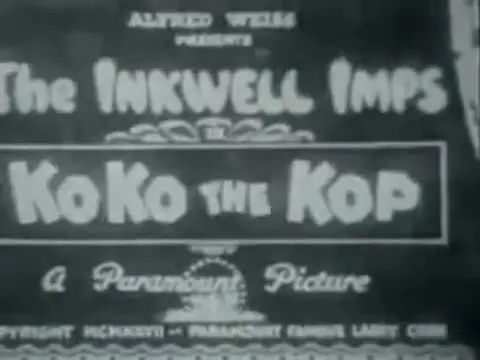
You should watch it if you are fascinated by animation history, appreciate experimental filmmaking, or seek to understand the origins of character design and visual effects. It’s a masterclass in how much could be done with so little.
In the nascent days of cinema, when the very idea of moving drawings was a marvel, Max Fleischer emerged as a singular voice, crafting worlds where the impossible was merely a pencil stroke away. 'KoKo the Kop' stands as a vibrant testament to this era, a direct descendant of his 'Out of the Inkwell' series that blurred the lines between live-action and animation.
Here, Fleischer himself, ever the meta-narrator, literally draws Ko-Ko into existence, not just as a clown, but as a figure of authority. This act of creation, a signature Fleischer trope, immediately establishes a playful, self-aware tone. The premise is disarmingly simple: Ko-Ko is tasked with guarding a bone, an almost primal, comedic MacGuffin.
This isn't merely a plot device; it's the spark igniting a chain reaction of visual absurdity. The bone's theft by Fitz, another Fleischer staple, is less a crime and more a catalyst for pure, unadulterated animated chaos. The film doesn't waste time on exposition; it throws you directly into the deep end of its surreal world
IMDb 6
1935
Community
Log in to comment.