DbcultAccessing Vault...
Cult Review
Senior Film Conservator
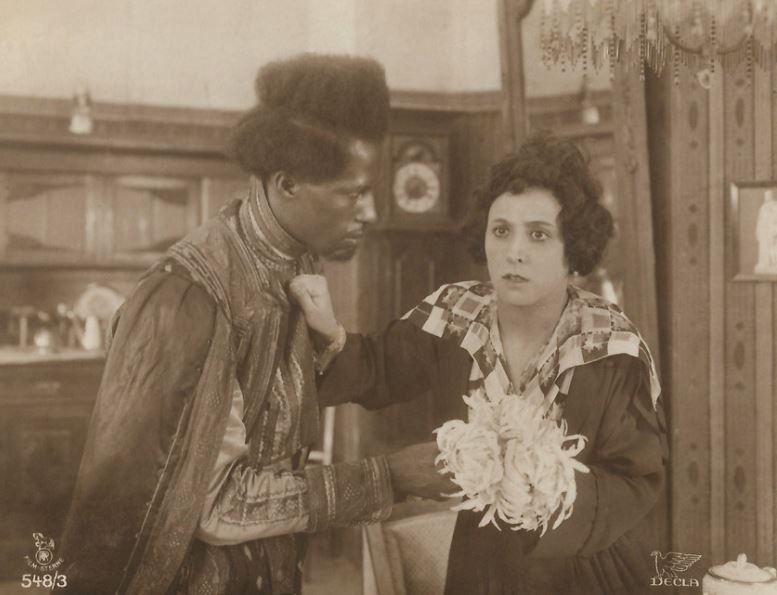
To witness Das Glück der Frau Beate is to step into a vanishing world, a celluloid relic that captures the tectonic shifts of 1918 Germany. This isn't merely a film; it is a cultural artifact that vibrates with the anxieties of a society on the precipice of total transformation. The silent era often relied on broad strokes and pantomime, yet here, we find a startlingly modern restraint. The film operates within the penumbral spaces of the human psyche, where what is left unsaid—and unshown—carries the weight of the entire production. While some might dismiss early silent dramas as primitive, this work proves that the grammar of cinema was already sophisticated enough to dissect the complexities of the feminine experience with surgical precision.
Ressel Orla, an actress whose name should be whispered with the same reverence as Pola Negri or Asta Nielsen, delivers a performance of profound interiority. As Beate, she does not merely act; she inhabits. Her face becomes a canvas upon which Max Jungk’s script paints the slow erosion of a woman's identity. Unlike the overt theatricality found in The Two-Soul Woman, where duality is a plot device, Orla’s Beate suffers from a singular, crushing unity—the expectation to be exactly one thing: happy. The irony of the title is a jagged pill, swallowed slowly over the course of the film’s runtime.
Max Jungk’s writing serves as the skeletal framework for this domestic tragedy. Jungk possesses a rare talent for subverting the audience's expectations of a 'woman's film.' He avoids the sentimental traps that ensnare lesser works, such as The Girl Who Couldn't Grow Up, opting instead for a narrative that feels almost clinical in its observation of social decay. The pacing is deliberate, mirroring the suffocating rhythm of Beate’s daily life. Every tea service, every polite nod to a neighbor, and every cold glance from Emil Biron’s character adds a brick to the wall separating Beate from her own agency.
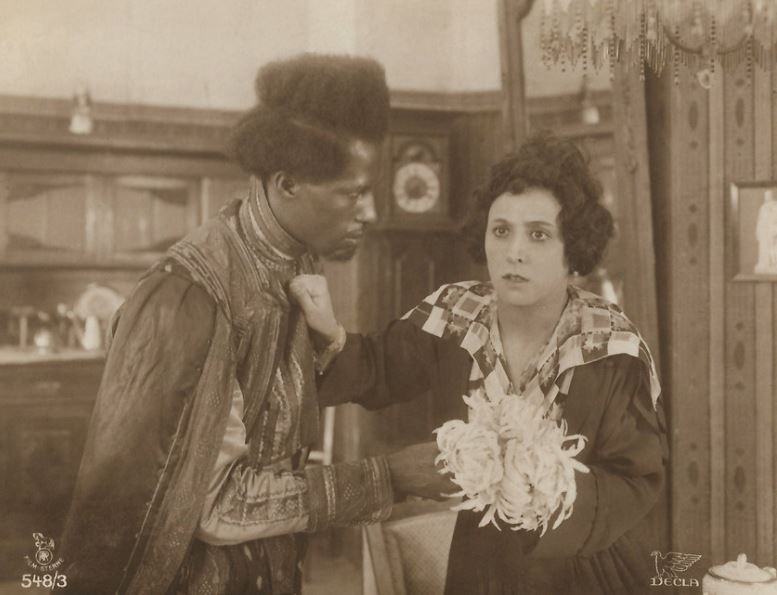
The dialogue intertitles are sparse but incisive. They do not merely explain the action; they punctuate the silence with the force of a gavel. When compared to the sprawling narrative of Patria nueva, Jungk’s work is remarkably focused, choosing to mine the depths of a single household rather than the breadth of a nation. This focus creates a sense of intimacy that is both beautiful and terrifying. We are trapped in that house with Beate, forced to endure the same micro-aggressions and the same crushing weight of 'happiness' that she does.
Technically, the film is a masterclass in proto-Expressionist lighting. The shadows in Beate’s parlor are not merely the result of primitive lighting equipment; they are thematic extensions of her subconscious. The cinematography uses the interplay of light and dark to emphasize the isolation of the protagonist. Even in scenes of supposed joy, there is a lingering darkness in the corners of the frame, a visual reminder that her bliss is a fragile construction. This aesthetic choice reminds me of the atmospheric tension in Il fiacre n. 13, though applied here to the interior world of the home rather than the mystery of the streets.
The use of space is equally telling. The rooms are cluttered with the heavy furniture of the era, creating a sense of physical and metaphorical entrapment. Beate is often framed through doorways or reflected in mirrors, suggesting a fragmented self—a theme explored with less subtlety in Ihre Hoheit. In 'Das Glück der Frau Beate,' the camera doesn't just record; it interrogates. It lingers on Orla’s hands, on the way she grips a shawl or hesitates before opening a letter, capturing the minute physical manifestations of psychological distress.
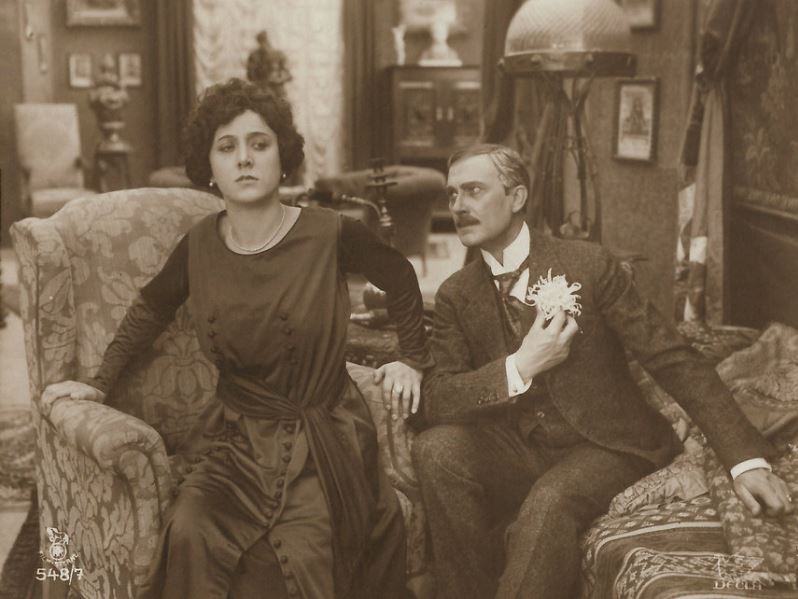
When placing this film alongside its contemporaries, its unique gravitas becomes even more apparent. While The Beautiful Adventure offers a more escapist, lighthearted take on the feminine journey, Beate remains grounded in a harsh, almost Zola-esque realism. There is no easy escape here. The film shares a certain DNA with Who Pays?, specifically in its exploration of the moral and social costs of one's choices. However, where 'Who Pays?' focuses on the external consequences, Beate is concerned with the internal tax—the slow bankruptcy of the spirit.
Even when compared to internationally flavored works like The Chinese Musketeer or the more allegorical Zhuangzi shi qi, the German specificity of Beate stands out. It captures a very particular kind of Mitteleuropean angst, a precursor to the Kammerspielfilm movement that would later define the 1920s. It lacks the adventurous spirit of The Island of Desire, but in its place, it offers a deep, resonant truth about the human condition that remains relevant over a century later.
While Ressel Orla is undoubtedly the sun around which the film orbits, the supporting cast provides the necessary gravitational pull to keep the drama grounded. Emil Biron, as the husband, embodies the rigid patriarchal structures of the time. His performance is a study in oblivious entitlement; he is not a villain in the traditional sense, but his inability to see Beate as anything other than an extension of his own status is the film's true antagonist. This dynamic is handled with much more nuance than the overt conflicts in Arms and the Woman.
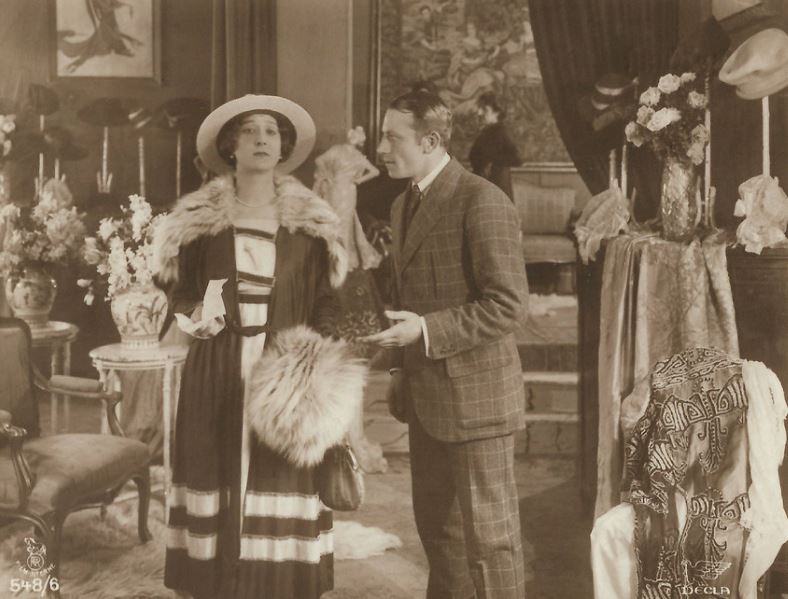
Max Ruhbeck also contributes a layer of sophisticated supporting work, adding to the ensemble’s ability to create a lived-in, believable world. The chemistry—or lack thereof—between the characters is palpable. You can feel the coldness in the air during the dinner scenes, a testament to the actors' ability to convey complex emotional states without the aid of synchronized sound. It is this ensemble strength that elevates the film above the more plot-driven antics of The Duplicity of Hargraves.
Ultimately, 'Das Glück der Frau Beate' is a film about the high price of silence. In a world where appearances are everything, the truth becomes a dangerous liability. The film’s conclusion does not offer the tidy resolutions found in Little Red Decides or the romanticized struggles of La soñadora. Instead, it leaves the viewer with a sense of profound unease, a lingering question about the nature of our own 'happiness.' Is it a genuine state of grace, or merely a well-maintained facade?
The film’s exploration of the 'source' of misery—much like the thematic underpinnings of The Source—is handled with a delicate touch. It suggests that Beate’s tragedy is not unique, but rather a systemic failure of a society that values order over authenticity. In the pantheon of silent cinema, this film deserves a place of honor for its bravery, its visual sophistication, and its unwavering commitment to the truth of the human heart, however painful that truth may be. To watch it today is to engage in a dialogue with the past, discovering that the struggles for identity and autonomy are far more ancient and persistent than we often care to admit.
In the final analysis, the film transcends its era. While the costumes and the social mores are firmly rooted in 1918, the emotional core is timeless. Ressel Orla’s final scenes, where the weight of her 'happiness' finally becomes unbearable, are among the most moving in silent cinema. It is a haunting reminder that the most significant battles are often fought in the quietest rooms, behind the most respectable doors. This is a cinematic journey that demands to be experienced, a stark, beautiful, and devastating look at the cost of a life half-lived.
IMDb —
1919
Community
Log in to comment.