DbcultAccessing Vault...
Cult Review
Senior Film Conservator
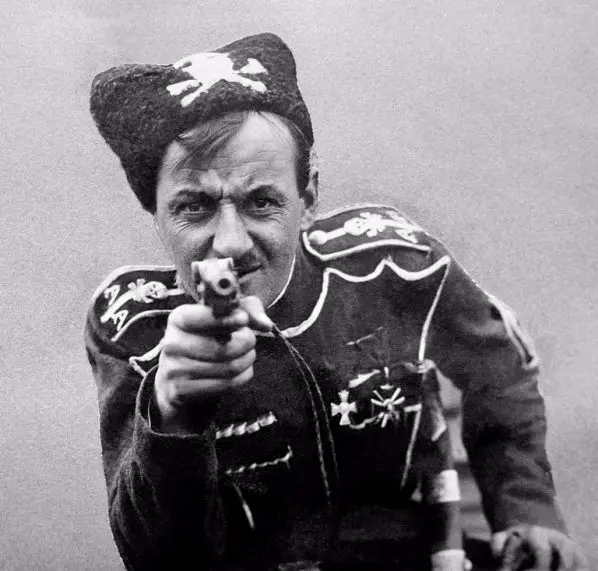
In the desolate expanse of Siberia, a cinematic gem, 'Krasnyi Gas', emerges as a poignant testament to the human spirit's capacity for endurance. Director Vladimir Zazubrin's masterpiece, born from the ashes of a war-torn era, presents an unflinching gaze into the abyss of human suffering.
The film's narrative, deceptively simple, belies a profound exploration of the human condition. The arrival of a clandestine operative in the village of Pchelino sets in motion a chain of events that would forever alter the lives of its inhabitants. The news of a young partisan's demise at the hands of the Whites serves as a stark reminder of the conflict's unforgiving nature.
Ivan Kalabukhov's portrayal of the operative is a study in stoicism, his character's emotions expertly calibrated to convey the weight of his mission. Sergei Troitsky, as Chepalov, delivers a heart-wrenching performance, his aged peasant's grief and despair palpable. The chemistry between the leads is undeniable, their interactions imbued with a sense of authenticity that draws the viewer into the world of the film.
The cinematography, a character in its own right, paints a picture of a desolate yet beautiful landscape. The Siberian wilderness, captured in stark detail, serves as a poignant backdrop for the drama unfolding within. The use of lighting, a masterful blend of shadows and highlights, creates an atmosphere both haunting and mesmerizing.
In comparison to contemporaneous works, 'Krasnyi Gas' stands alongside Sure-Fire Flint and The Happy Warrior as a testament to the power of cinema to capture the essence of the human experience. While differing in tone and scope, these films share a common thread – an unflinching examination of the human condition.
The score, a subtle yet effective complement to the on-screen action, enhances the overall viewing experience. The themes of loss and resilience are expertly woven throughout the narrative, creating a sense of cohesion and purpose.
One cannot help but draw parallels to other works that explore the complexities of human emotion, such as A Corner in Cotton and My Dog, Pal. These films, though disparate in style and tone, share a common concern – the human struggle to find meaning in a chaotic world.
In 'Krasnyi Gas', Zazubrin presents a film that is at once a lamentation of loss and a celebration of the human spirit. This cinematic masterpiece, though rooted in a specific historical context, transcends its era, speaking to universal themes that continue to resonate with audiences today.
The performances, as previously noted, are exemplary, with Margarita Gorbatova and Mikhail Lenin delivering memorable supporting turns. The production design, a testament to the era in which it was created, adds an additional layer of authenticity to the narrative.
In conclusion, 'Krasnyi Gas' is a film that defies easy categorization. It is a historical drama, a character study, and a poignant exploration of the human condition. This masterpiece of Soviet cinema continues to resonate with audiences, its themes of loss, resilience, and the human spirit remaining as relevant today as they were upon its initial release.
For those seeking a cinematic experience that lingers long after the credits roll, 'Krasnyi Gas' is an essential viewing. It is a film that will challenge, move, and ultimately, leave you changed.
IMDb —
1914
Community
Log in to comment.