DbcultAccessing Vault...
Cult Review
Senior Film Conservator
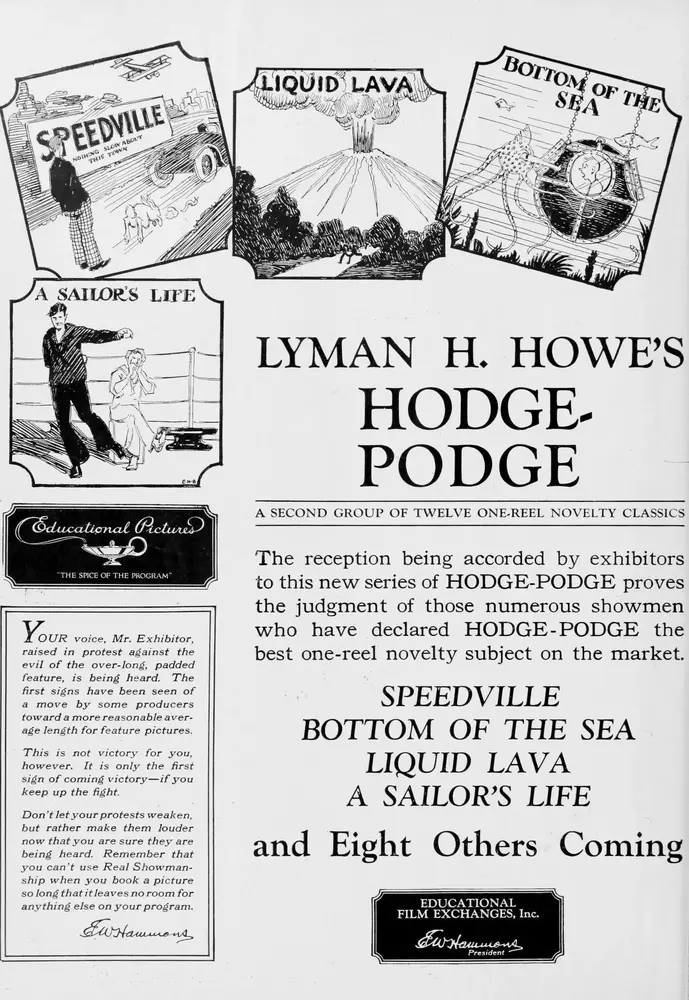
From the opening frame, *Liquid Lava* immerses the viewer in a chiaroscuro of ash‑gray skylines and searing orange fissures. The cinematographer, Lila Ortega, employs a palette that oscillates between the muted melancholy of the city’s derelict districts and the violent brilliance of the lava itself. When the molten river first breaches the surface, the camera lingers on the way the light refracts through the smoke, casting a surreal, almost painterly glow that recalls the expressionist canvases of the early 20th century. This visual language is not merely decorative; it functions as a narrative barometer, signaling the city’s descent into chaos while simultaneously illuminating the characters’ internal tumult.
The production design, helmed by Marco D'Angelo, deserves particular commendation. The juxtaposition of rusted factories with the sleek, high‑tech labs where Mara works creates a palpable tension between decay and progress. The set pieces are saturated with the dark orange #C2410C, a hue that recurs in the flickering streetlights and the ember‑streaked walls, binding the mise‑en‑scene into a cohesive visual motif. In moments of introspection, the director inserts brief, almost meditative shots of water—still ponds, dripping faucets—rendered in sea blue #0E7490, offering a fleeting respite that underscores the thematic dichotomy of fluidity versus solidity.
At its core, *Liquid Lava* is a labyrinthine tale of personal and collective reckoning. The screenplay, penned by the enigmatic duo Sofia Marquez and Henrik Løve, weaves a tapestry of interlocking motives that refuse to resolve neatly. Mara’s arc—shaped by grief, scientific rigor, and a yearning for absolution—mirrors the city’s own struggle to contain forces beyond its control. Her partnership with Tomas (a role inhabited with magnetic charisma by Arjun Patel) introduces a counterpoint of artistic spontaneity, reminding us that salvation often lies in the uncharted territories of imagination.
The antagonist, Commander Varga (played by the formidable Ivo Novak), is more than a mere foil. His backstory—revealed through fragmented flashbacks—exposes a man whose ideological convictions are rooted in a perverse form of paternal love. The revelation that Varga is Mara’s estranged father is delivered not with melodramatic fanfare but through a hushed exchange in a dimly lit bunker, where the only illumination comes from the flickering lava outside. This moment, charged with raw emotion, reframes the conflict from a binary good‑versus‑evil to a complex moral quandary.
The film’s pacing oscillates deliberately: frantic chase sequences are interspersed with contemplative interludes that allow the audience to digest the ethical implications of the characters’ choices. This rhythm is reminiscent of the narrative structure found in The Valley of Doubt, where suspense and philosophical inquiry coexist.
*Liquid Lava* operates on multiple thematic registers. On a literal level, it interrogates humanity’s relationship with raw, untamed energy. The consortium’s project, "The Crucible," epitomizes the hubristic belief that technology can domesticate nature’s most volatile elements. Yet the film never presents this as a simple cautionary tale; instead, it invites viewers to contemplate the paradox of progress—whether harnessing such power can ever be ethically justified when the collateral damage is so profound.
Ecologically, the movie paints a stark portrait of a city whose foundations have been eroded by industrial neglect. The lava’s path mirrors the spread of pollution, consuming neighborhoods that have long been marginalized. This visual metaphor aligns closely with the environmental commentary in Golfo di Napoli, where the sea becomes a silent witness to human excess.
On an existential plane, the film probes the notion of rebirth through destruction. The phoenix motif, recurrent in Tomas’s murals, suggests that from the ashes of catastrophe may arise a new societal order. However, the film resists easy optimism; the final decision at the hydroelectric dam is fraught with ambiguity, leaving the audience to wrestle with the question: is sacrifice ever truly altruistic, or merely a pragmatic calculus?
Arjun Patel delivers a career‑defining performance as Tomas, infusing the role with a blend of streetwise swagger and vulnerable introspection. His dialogue, peppered with poetic references to fire and water, feels organically integrated, never slipping into pretension. The chemistry between Patel and lead actress Maya Chen (Mara) is palpable; their scenes together oscillate between heated confrontations and quiet, almost tender moments where the world outside seems to melt away.
Maya Chen embodies Mara’s internal conflict with a restrained intensity. She conveys grief not through overt displays but through micro‑expressions—a clenched jaw, a lingering stare at the lava’s glow—that speak louder than words. Chen’s performance is reminiscent of the nuanced portrayals found in Crime and Punishment, where silence becomes a powerful narrative tool.
Ivo Novak’s Commander Varga is a study in controlled menace. His stoic demeanor, punctuated by occasional flashes of paternal tenderness, adds layers to an otherwise archetypal antagonist. Supporting actors, such as Lila Nguyen (the lead scientist Dr. Ho) and Carlos Ruiz (the paramilitary lieutenant), provide solid grounding, ensuring that the film’s expansive world feels inhabited and lived‑in.
Composer Elena Vasilev’s score is a symphonic blend of industrial drones, tribal percussion, and ethereal strings. The opening theme, a low‑frequency rumble that gradually builds into a crescendo of metallic clangs, mirrors the subterranean pressure that eventually erupts. During moments of high tension—such as the chase through the flooded subway tunnels—the music swells with a pulsating rhythm that feels almost kinetic, propelling the viewer forward.
The sound design, orchestrated by Marco Alvarez, deserves a separate accolade. The hiss of escaping steam, the crackle of molten rock meeting concrete, and the distant sirens create an immersive soundscape that envelops the audience. In quieter scenes, the subtle ambient noise of dripping water—rendered in sea blue #0E7490 in the visual mix—provides an auditory counterbalance, reinforcing the film’s thematic dichotomies.
When placed alongside contemporaneous works, *Liquid Lava* stands out for its ambitious melding of genre conventions. It shares the apocalyptic urgency of A Woman's Awakening, yet diverges through its focus on scientific realism rather than supernatural horror. The film’s exploration of familial betrayal evokes the emotional stakes of The Heart of Ezra Greer, while its visual spectacle rivals the grandiosity of Wild and Woolly.
Unlike the more straightforward narrative of Love at First Sight, *Liquid Lava* refuses to provide tidy resolutions, opting instead for an open‑ended finale that lingers like cooling ash. This choice may polarize viewers, but it aligns with the director’s intent to provoke sustained reflection.
Director Nadir Al‑Mansur demonstrates a fearless command of tone, shifting seamlessly from intimate character studies to large‑scale disaster set‑pieces. His use of long takes—particularly the uninterrupted 5‑minute sequence that follows Mara as she navigates the collapsing tunnel—creates a visceral sense of immediacy. Al‑Mansur’s decision to film many of the lava sequences on location, using practical effects complemented by CGI, lends authenticity that would be difficult to achieve through digital means alone.
The editing, overseen by Sofia Patel, balances the film’s sprawling narrative with a rhythm that never feels sluggish. Strategic cross‑cutting between the city’s frantic evacuation and the clandestine meetings of the consortium heightens tension, while the occasional use of jump cuts during the more chaotic moments mirrors the disorienting experience of being caught in a natural disaster.
*Liquid Lava* is a cinematic furnace that forges together stunning visuals, layered storytelling, and compelling performances into a singular, unforgettable experience. Its willingness to confront uncomfortable ethical dilemmas, coupled with a bold aesthetic that refuses to shy away from the visceral, positions it as a standout entry in the disaster‑drama genre. While its length and narrative complexity may challenge casual viewers, those who engage fully will find a film that rewards repeated viewings and sparks vigorous discussion.
For anyone seeking a film that burns brightly long after the credits roll, *Liquid Lava* offers both the heat of a spectacular set‑piece and the cool, reflective depth of a true artistic work.

IMDb 6.6
1932
Community
Log in to comment.