DbcultAccessing Vault...
6.6/10
Senior Film Conservator
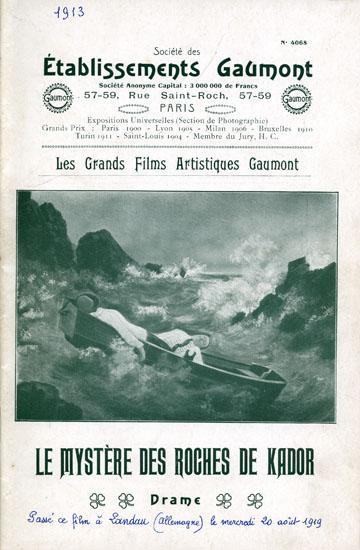
A definitive 6.6/10 rating for a film that redefined the boundaries of cult cinema. The Mystery of the Rocks of Kador remains a cornerstone of transgressive art.
Stepping back into the nascent years of cinema, one encounters a fascinating landscape of storytelling, where the visual narrative reigned supreme, unburdened by synchronous sound. Among the many cinematic treasures emerging from this era, Léonce Perret's 1912 French silent drama, The Mystery of the Rocks of Kador, stands as a compelling testament to the burgeoning art form's capacity for intricate plot, psychological depth, and atmospheric suspense. This particular film, penned and directed by Perret himself, who also features prominently in the cast, offers a window into the evolving techniques of early filmmaking while delivering a captivating tale of familial betrayal and avarice. It's not merely a historical artifact; it's a vibrant, if silent, echo of human drama that still resonates today, inviting a contemporary audience to appreciate the foundational artistry of the medium.
At its core, The Mystery of the Rocks of Kador plunges viewers into a classic narrative of inheritance and manipulation, a theme as old as storytelling itself, yet rendered with a distinct early cinematic flair. The central antagonist is Count Fernand De Keramic, portrayed by Léonce Perret with a nuanced villainy that speaks volumes without uttering a single word. Plagued by crippling financial woes and the looming threat of destitution, the Count hatches a nefarious scheme to dispossess his unsuspecting niece of her substantial wealth. This isn't a simple robbery; it's a calculated, insidious plot, designed to exploit trust and familial bonds for personal gain. The film meticulously unravels the Count's machinations, revealing a man driven to desperate measures, his moral compass utterly shattered by the relentless pressure of debt. The titular 'Rocks of Kador' are more than just a setting; they are an almost sentient presence, their rugged, imposing grandeur mirroring the stark, unforgiving nature of the Count's ambition. They serve as a constant, looming backdrop, hinting at both the wild beauty and the inherent dangers of the environment, a perfect metaphor for the perilous journey the niece is about to embark upon. The narrative, while straightforward in its premise, delves into the psychological undercurrents of betrayal, exploring how easily one can be deceived by those closest to them. The film, in its silent eloquence, manages to convey the niece's vulnerability and the Count's predatory intent with remarkable clarity, making the audience keenly aware of the stakes involved. The tension builds not through dialogue, but through the expressive performances and Perret's keen eye for visual storytelling, crafting a narrative that feels both intimate and grand in its tragic scope. The meticulous planning of the Count, contrasted with the innocent naiveté of his victim, creates a compelling dynamic that keeps the viewer engrossed from the outset.
The success of any silent film hinges significantly on the expressive capabilities of its cast, and The Mystery of the Rocks of Kador is no exception. Léonce Perret, wearing multiple hats as writer, director, and lead actor, delivers a compelling performance as Count Fernand De Keramic. His portrayal is a masterclass in silent villainy, conveying avarice, cunning, and a veneer of respectability through subtle gestures, piercing glances, and a carefully controlled physicality. It's a performance that avoids overt melodrama, instead opting for a more insidious, believable menace that makes his character's treachery all the more chilling. Suzanne Grandais, as the unsuspecting niece, embodies innocence and vulnerability, drawing the audience's sympathy with her expressive eyes and delicate demeanor. Her character's journey from blissful ignorance to dawning realization is conveyed with a poignant sincerity that anchors the emotional core of the film. Max Dhartigny and Émile Keppens, though perhaps in less prominent roles, contribute significantly to the ensemble, each bringing a distinct presence that fills out Perret's cinematic world. Their reactions, their silent interactions, and their physical presence all serve to enhance the narrative, creating a believable social fabric around the central conflict. Comparing their acting styles to contemporaries, one might observe a similar commitment to exaggerated facial expressions and grand gestures found in films like Les amours de la reine Élisabeth or even the dramatic flourishes seen in early biblical epics such as From the Manger to the Cross. However, Perret's film often feels a touch more restrained, favoring psychological suggestion over outright theatricality in certain moments, a sign of the evolving craft of screen acting. The subtlety in Grandais's performance, in particular, sets her apart, allowing for a more profound connection with the character's plight, a testament to her skill in conveying complex emotions without the aid of dialogue. This collective effort ensures that the silent narrative is never truly silent in its emotional impact.
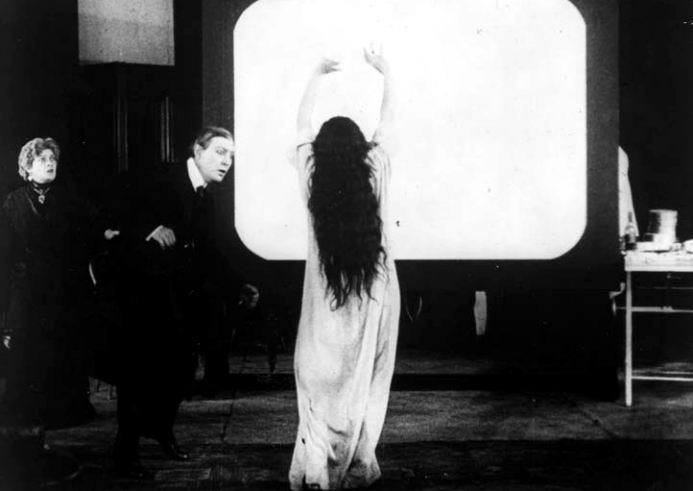
Léonce Perret's directorial hand is evident throughout The Mystery of the Rocks of Kador, showcasing an impressive command of visual storytelling for the period. His use of mise-en-scène is particularly noteworthy; every frame seems carefully composed to convey mood, character relationships, and narrative progression. The integration of the rugged, natural landscape of Kador is not merely decorative but functions as an active participant in the drama, enhancing the sense of isolation and impending doom. Perret employs a dynamic approach to camera placement and editing that was quite sophisticated for 1912, moving beyond static, theatrical long shots to incorporate closer framing and more deliberate cuts that heighten suspense and focus attention. This is a far cry from the purely observational, single-shot approach of earlier films like The Corbett-Fitzsimmons Fight or Jeffries-Sharkey Contest, where the camera was largely a passive recorder. Instead, Perret actively guides the viewer's eye, manipulating pace and tension with a nascent cinematic language. The transitions between scenes are smooth, and the use of intertitles is judicious, providing necessary exposition without interrupting the visual flow. One can see Perret experimenting with techniques that would become staples of narrative cinema, anticipating the more complex editing styles that would define the next decade. His ability to evoke a palpable sense of mystery and dread through purely visual means speaks volumes about his understanding of the medium's inherent power. The lighting, though rudimentary by modern standards, is employed to create stark contrasts, emphasizing shadows and highlighting the emotional states of the characters, particularly in moments of heightened drama or secretive plotting. This early mastery of visual rhetoric distinguishes Perret's work and places him among the vanguard of cinematic innovators of his time, demonstrating a foresight into the expressive potential of the moving image that few of his contemporaries possessed. His keen understanding of how to build visual drama without relying on dialogue is a hallmark of his enduring legacy.
The early 1910s represented a pivotal moment in film history, a period when cinema was rapidly evolving from a novelty attraction into a legitimate art form capable of complex narrative expression. The Mystery of the Rocks of Kador exemplifies this transition, showcasing a move towards more character-driven plots and sophisticated dramatic structures. Unlike the simpler, often episodic narratives of earlier films such as Cooee and the Echo or even the travelogues like Glacier National Park, Perret’s film constructs a coherent, sustained dramatic arc. It demonstrates a growing confidence in the audience's ability to follow an intricate plot, relying on visual cues and emotional resonance rather than explicit dialogue. This era also saw the rise of the star system, and while not yet fully established, the prominence of actors like Suzanne Grandais and Léonce Perret himself contributed to the film's appeal. The thematic focus on greed and betrayal was a popular choice for the time, reflecting societal anxieties and moral concerns. Films like The Black Chancellor or Vampyrdanserinden also explored darker human impulses and dramatic conflicts, indicating a broader trend in narrative cinema towards more complex psychological landscapes. Perret's film, therefore, doesn't exist in a vacuum; it is a significant piece within the larger mosaic of early 20th-century filmmaking, contributing to the development of narrative conventions that would shape cinema for decades to come. It's a foundational text for understanding how silent films managed to engage audiences so profoundly, often with limited resources and nascent technology, proving that compelling narratives were already at the forefront of the cinematic agenda. The film's ability to weave a tale of such moral complexity without spoken words underscores the ingenuity and artistic ambition prevalent in this transformative period of filmmaking.
While The Mystery of the Rocks of Kador may not be as universally recognized as some of its more famous contemporaries like Les misérables (which saw several early film adaptations) or the grand historical spectacles, its enduring appeal lies in its craftsmanship and its potent exploration of human frailties. It serves as a reminder that compelling storytelling transcends technological limitations. Perret's dual role as director and actor allowed for a singular vision, ensuring that every element—from the performances to the atmospheric setting—served the central narrative of suspense and moral decay. The film's ability to create a strong sense of place, making the 'Rocks of Kador' almost a character in itself, is a testament to Perret's early genius in harnessing the visual power of cinema. It’s a film that speaks to the timeless nature of greed and the destructive power of ambition, themes that remain relevant regardless of the cinematic era. For modern viewers, watching The Mystery of the Rocks of Kador offers not just a historical curiosity, but a genuine cinematic experience, allowing one to appreciate the foundational elements of suspense and character development that paved the way for all subsequent narrative films. It underscores the fact that even in its infancy, cinema possessed an extraordinary capacity to captivate, to provoke thought, and to immerse audiences in worlds both familiar and terrifyingly new. It is a vital piece in the puzzle of cinematic evolution, demonstrating how early filmmakers, with ingenuity and passion, laid the groundwork for the complex and diverse medium we enjoy today. Its artistry lies in its silent eloquence, its ability to communicate profound human drama through gesture, expression, and environment, proving that the silent era was far from primitive, but rather a fertile ground for artistic innovation and emotional resonance. The film's capacity to maintain tension and emotional investment without spoken dialogue is a powerful demonstration of the universal language of cinema.
In an age saturated with hyper-realistic CGI and booming surround sound, revisiting films like The Mystery of the Rocks of Kador offers a refreshing perspective on the essence of cinematic art. It strips away the layers of modern technical wizardry to reveal the raw power of visual narrative. The film, with its intricate plot of betrayal and its atmospheric setting, demonstrates that the emotional impact of a story does not require spoken dialogue to be profound. Instead, it relies on the universal language of human expression and meticulously crafted imagery. Léonce Perret, through his multifaceted contribution, presents a work that is both a product of its time and remarkably ahead of it, hinting at the sophisticated storytelling techniques that would soon dominate the silver screen. It’s a humble yet potent reminder that sometimes, the most resonant stories are those told in silence, allowing the audience's imagination to fill the auditory void, creating a deeply personal and engaging experience. This film is more than just a historical footnote; it is a vibrant example of early cinema’s artistic ambition and its enduring capacity to thrill and intrigue, proving that the 'mystery' of its appeal remains potent even after more than a century, continuing to captivate and challenge our perceptions of storytelling through the moving image.

IMDb 5.8
1931
Community
Log in to comment.