DbcultAccessing Vault...
Cult Review
Senior Film Conservator
Richard Oswald’s Kurfürstendamm is not merely a film; it is a cracked kaleidoscope held up to a city that believed itself immortal at the precise moment it began to rot. Shot in the winter of 1919-20, while Spartacist blood still rusted the snow, the picture saunters out of Ufa’s Tempelhof studios wearing the grin of a reveler who knows the hangover will be historic. Ninety-plus years of nitrate decay have left us only a battered 35 mm negative in the Bundesarchiv and a smattering of tantalizing production stills, yet what survives is enough to certify the movie as the missing link between Officer 666’s devil-may-care farce and the expressionist crucible of The Life Story of David Lloyd George.
From its first iris-in on the titular boulevard—electric signs sputtering like bad consciences—Oswald announces a tone that pirouettes between social ulcer and champagne burlesque. The camera stalks a top-hatted stranger whose eyes glow the color of burnt paper; Conrad Veidt, still months away from becoming Caligari’s somnambulist, incarnates Satan with the languid elegance of a man inspecting his own obituary. Notice how cinematographer Max Fassbender lights him: key lights skim across those cheekbones until they resemble Art Deco daggers, while the background dissolves into sooty chiaroscuro. It is Berlin itself—half jewel, half scab—personified.
Forget conventional three-act scaffolding; Oswald prefers Möbius-strip storytelling. The Devil’s arrival is already a defeat: he expects terror, receives ennui. In the pension’s parlor, Paul Morgan’s bankrupt Baron von Trenck offers to sell his family crypt, then wagers the cemetery deed on a single hand of skat with the Arch-Fiend—only to palm an ace from the cuff of a corpse. Meanwhile, Rosa Valetti’s landlady Frau Schupke tallies sins like a waiter adding up drinks, then presents Satan with an itemized invoice for “spiritual wear and tear on the premises.” The gag lands because it is grounded in post-war hyperinflation logic: currency is illusion, so morality might as well follow suit.
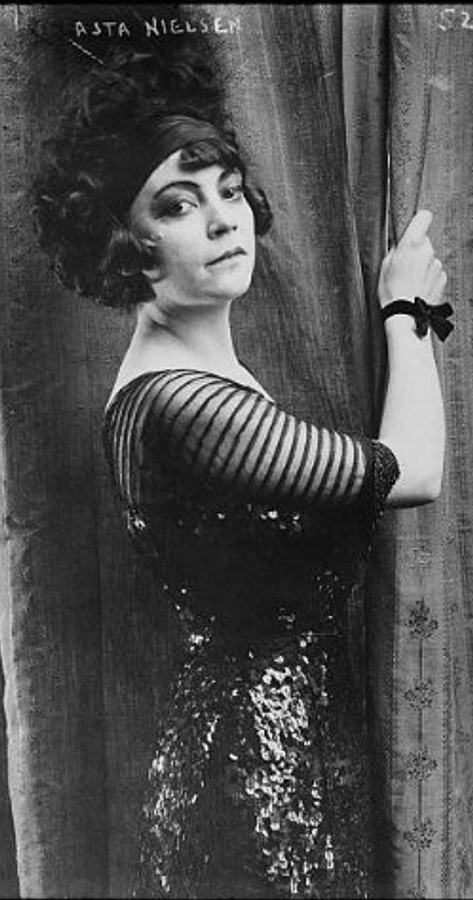
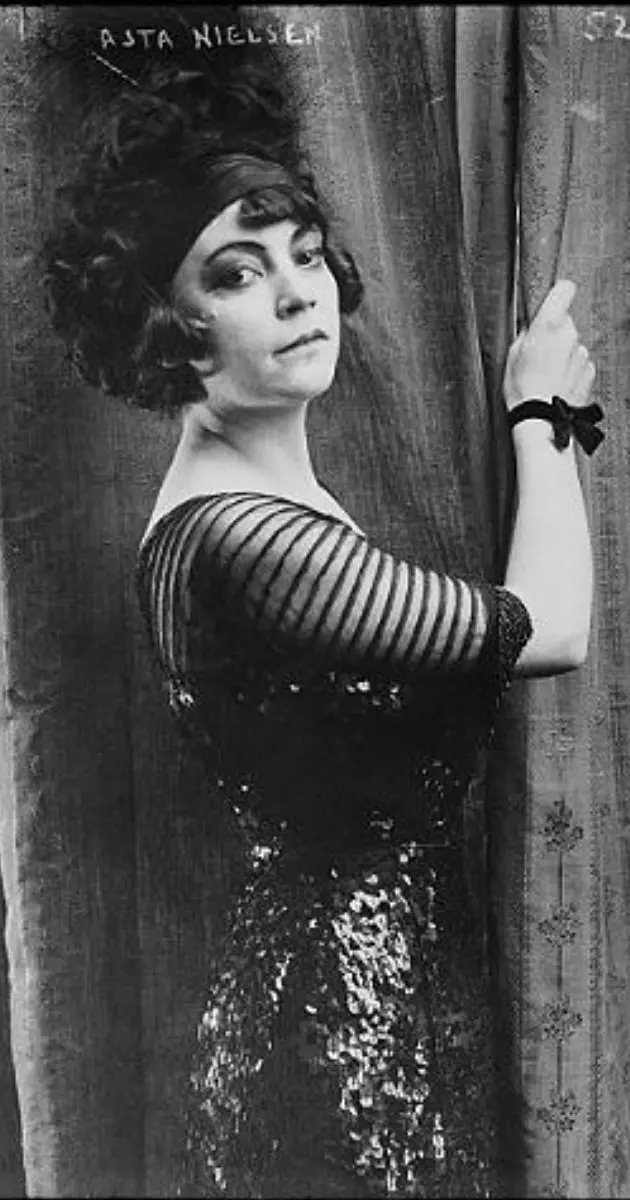
Mid-film, Oswald inserts a bravura set-piece: a Revuetraum where Asta Nielsen’s weary dancer performs a danse macabre with a mannequin of Death. The camera swings 360 degrees, catching mirrored reflections that multiply her into a chorus of fatalism. Subtitles (preserved in a 1922 Swedish censorship transcript) read: “We dance on debts that dance on us.” It is the closest silent cinema ever came to the bite of late Brecht.
Veidt’s Satan is less a tyrant than a jaded connoisseur discovering his collection has been forged. Watch the micro-collapse around his mouth when Theodor Loos’s gigolo flogs him a bottle of “authentic ectoplasm” that turns out to be soapy water tinted with ink—a small humiliation that ricochets across his face like a hairline fracture in marble.
Erna Morena, as the cocaine-addled Countess Ella, suggests a pre-code Garbo drained of all heroic stature; her silent laughter in a close-up—32 frames of pure shudder—feels like someone gargling pearls. And witness Henry Sze’s Chinese illusionist (a rare non-stereotypical role for the era) who turns the Devil’s contract into an origami swan and releases it out the window: a visual rebuttal to colonial haughtiness.
Art director Franz Seemann built Pension Elvira on a rotating circular set: when Oswald’s camera glides through hallways, walls seem to rearrange like card tricks, implying ethics are merely a matter of perspective. The color palette, hand-tinted for premium prints, daubed infernal oranges onto gaslights while leaving skin tones sickly cyan, producing a queasy complementary clash that predates modern digital color-grading gimmicks by a century.
Intertitles—often designed in scrawled, asymmetrical calligraphy—bleed halfway into the frame, refusing the polite separation of text and image. One card, superimposed over Veidt’s profile, reads: “He who would buy a soul must first haggle for his own shadow,” letters clumping like clotting blood.
Though released without synchronized dialogue, contemporary exhibitors were encouraged to accompany the final reel with a discordant foxtrot followed by a sudden drop to a single organ note. Surviving cue sheets indicate that when Satan slams the pension gate shut, the orchestra should sustain a diminished seventh until “audience discomfort becomes palpable.” Imagine that in your local multiplex today.
Where Station Content traffics in sentimental redemption, Kurfürstendamm scoffs at the notion. Its moral universe is closer to When Men Betray’s cynicism, yet filtered through gallows humor rather than melodrama. And if you squint, you can detect DNA strands that will reappear in Den skønne Evelyn’s carnival of opportunism.
Shot weeks after the Treaty of Versailles, the film anticipates the resentments that would soon brown-shirt their way across Europe. Yet Oswald, a gay Jewish liberal, refuses to moralize in hindsight-friendly slogans; instead he lampoons everyone, revealing how amorality is a citizen’s last democratic right. The Nazis later labeled the movie “decadent” and slung most prints into the bonfire, ensuring its near-mythical status.
In 2018 the Deutsche Kinemathek scanned the surviving elements at 4K; only 52 minutes of the original circa-75-minute runtime exist. The restoration premiered at Berlinale, accompanied by a new score by Paul D. Miller (DJ Spooky) that fuses 1920s schlager motifs with glitch-hop. Currently streaming on the European Film Gateway with English subtitles; a Blu-ray from Masters of Cinema is rumored for late 2025.
Today’s gig-economy hustlers, crypto grifters, and brand influencers would fit right into Pension Elvira; they already speak its language of speculative value and self-commodification. Kurfürstendamm reminds us that Hell isn’t a cosmic pit but a marketplace where authenticity is just another asset to flip.
More importantly, Oswald’s satire illuminates the dangers of laughing too soon. When evil becomes banal, when swindling is sport, the Devil himself can turn into a tourist overwhelmed by the local customs. And that might be the most chilling takeaway: if you can con the Father of Lies, what does that make you?
Even in its fragmentary state, Kurfürstendamm radiates the radioactive charisma of a culture dancing on its own grave. The film’s central gag—that humans out-devil the Devil—lands with the slap of a cold sponge. Its performances, design, and tonal tightrope walk remain astonishingly modern, predating similar conceits in Dinner at Eight or Kind Hearts and Coronets by decades.
If you cherish cinema that bites the hand that projects it, chase this title down. Just don’t be surprised if, after the credits, you find yourself listening for hoof-beats on the Kurfürstendamm—only to realize they’re coming from your own shoes.
IMDb —
1932
Community
Log in to comment.