DbcultAccessing Vault...
Cult Review
Senior Film Conservator
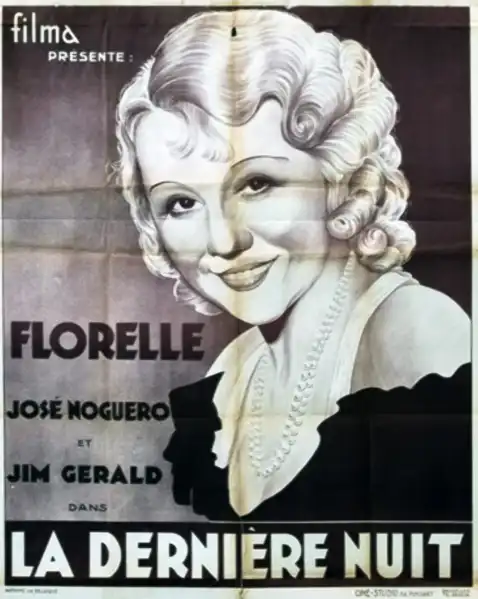
This old French flick, La dernière nuit, from back when films were still finding their feet, it’s a bit of a mixed bag. If you’re into really classic cinema, the kind that feels a little rough around the edges but tells a solid story, you might find something to chew on here. It's definitely not for folks who need fast edits or booming soundtracks. My guess is modern viewers expecting a tight thriller will probably tune out pretty quick. But if you appreciate the quiet drama, the real human moments in black and white, it’s worth a look. 🕰️
Okay, so we follow Jean, played by José Noguéro. He's this tennis champ now, living the good life. But his past, it just won't let go. His old gang of pals, they pop back up, needing his “help” for a robbery. Not really asking, more like demanding. It sets up this whole uncomfortable situation.
You can see it on Noguéro’s face sometimes, this deep sigh, you just know he wishes he could shake these guys. The target? His mistress’s house. Ouch. That's a messy setup, right? It just complicates everything.
The film spends a good chunk of time building up to this. Not with big action, but with quiet tension. There’s a scene where Jean is just sitting in a cafe, looking out the window, and you feel the weight of his choices. The camerawork, it just kinda hangs there, letting you sit with him.
The gang itself, they’re pretty standard-issue thugs. Not much depth there. Georges Térof, he plays one of the more intimidating ones. His eyes had this glint, like he knew exactly what buttons to push with Jean. Not subtle, but effective for the time.
You could almost feel the sweat in some of those dimly lit alley scenes. And the overall vibe, it’s got this dusty, lived-in feel, like the sets were just… places people actually went. No grand statements, just the nitty-gritty.
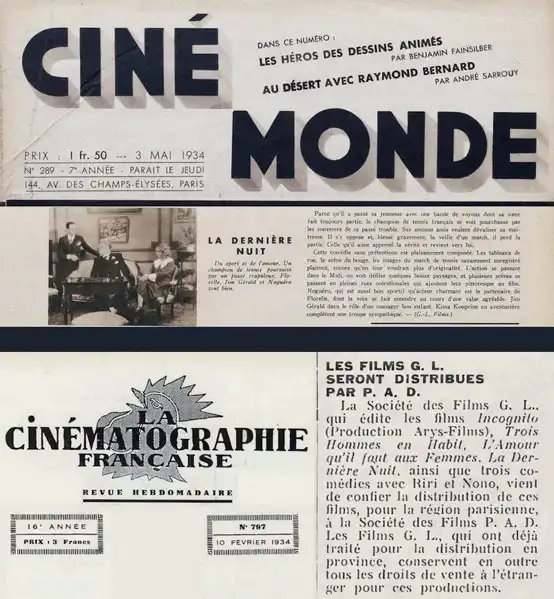
Then there’s Florelle, the woman he loves, who eventually figures out what Jean’s been up to. This is where the film really tries to hit you emotionally. There’s a moment where she just looks at him, her face a mix of betrayal and sadness. It’s a powerful silent beat.
The director really leaned into those close-ups for her. It works, for the most part. It’s a bit melodramatic, sure, but it gets the point across.
What stuck with me, though, was how the movie handles her reaction. She learns the truth, this huge betrayal, but her love for him... it endures. It’s not a quick fix, not an easy forgiveness. You see her struggle.
One scene, she’s just clutching something, maybe a handkerchief, and her knuckles are white. It felt very real this quiet internal battle. It’s not flashy, no big speeches, just her eyes. 👀
The whole resolution, it felt a little... soft for what came before. After all that build-up, the way things wrap up, it’s less about justice and more about enduring love. Which is fine, it’s a choice. But it leaves you wondering a bit, about the consequences, you know?
Like, did anyone else care about the stolen stuff? It almost gets forgotten in the drama of their relationship. The police, they don't seem to feature much beyond an initial scare. It's all very contained.
One thing about the pacing: it really takes its time. Sometimes it feels like it takes too much time. You get these long shots of people walking, or just sitting. It’s not boring, not exactly
IMDb 5.8
1931
Community
Log in to comment.