DbcultAccessing Vault...
5.3/10
Senior Film Conservator
A definitive 5.3/10 rating for a film that redefined the boundaries of cult cinema. The Black Cat remains a cornerstone of transgressive art.
If you're into old cartoons, the really, really old ones, then maybe, just maybe, The Black Cat from 1929 is worth a peek today. It’s definitely not for folks who need fast-paced action or crisp, modern animation. But if you’ve got a soft spot for historical curiosities and silent-era charm, you might find something neat here. Others? They’ll probably be a bit lost, or bored.
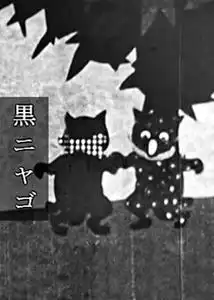
Noburō Ōfuji’s signature cutout animation style is on full display here. It’s got this cool, almost shadow-puppet vibe that feels so distinct from what was happening in American animation at the time.
The whole setup is just four kids, really. They’re dreaming of a pet cat, which is, you know, a pretty universal kid thing. The way their little thought bubbles pop up is kinda sweet, very direct.
Then this black cat just *appears*, almost out of nowhere, bounding onto the scene. And then it starts to 'sing.' Well, 'sing' through title cards, naturally. It’s 1929, after all! 🎶
The song itself, though. That’s where things get really interesting. This cat, this simple black cat, starts telling the children about his noble lineage. How he and his tabby brother are direct descendants of tigers.

It's such a weird, almost random turn for a children's story. You expect a cute little meow, maybe a purr, not a deep dive into feline ancestry. It made me just kinda pause and think, 'Wait, what?'
The cat’s movements are surprisingly fluid for cutout animation from this period. There's a particular bounce when he walks that feels quite lively.
One shot really caught my eye: a close-up of the cat’s face, where his simple white dot eyes somehow convey a mischievous intelligence. It's effective, without being overly complicated.
The film doesn't overstay its welcome. It's a quick, charming little ride, less than ten minutes long. A perfect little historical blip for an afternoon.
This isn’t some lost masterpiece that’s going to redefine your understanding of cinema. It’s more like finding an old, slightly faded postcard from a time long gone. A quaint, peculiar little piece of early animation history.
If you're curious about different animation traditions outside of the usual Disney or Fleischer stuff from that era, give it a look. It’s a fascinating, if brief, peek into another world. Definitely worth it for the sheer oddity of a singing cat explaining his tiger relatives. For more early animated adventures, you might check out Studies in Movement or perhaps Shima no onna if you're exploring Ōfuji's other works.

IMDb —
1913
Community
Log in to comment.