DbcultAccessing Vault...
Cult Review
Senior Film Conservator
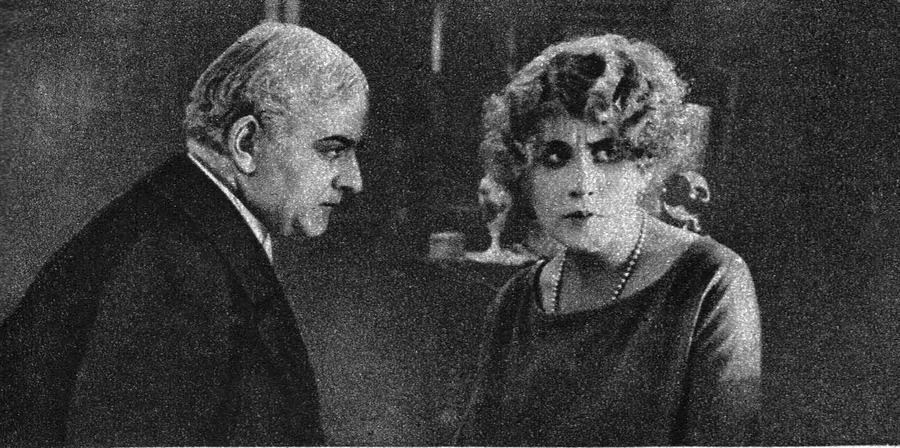
There are silences that scream louder than talkies ever could, and Henry Roussel weaponizes that vacuum in La faute d'Odette Maréchal until the viewer’s own pulse becomes the underscore. Shot in the bruised twilight of WWI-era Paris, this 1916 one-reel wonder distills an entire bourgeois crucifixion into 38 minutes of mercury-quick montage, then leaves you kneeling in the shards.
Roussel refuses the tidy因果链 of melodrama; instead he scatters narrative shrapnel—gossipy captions, half-glimpsed letters, a glove that changes hands like a relay baton of doom—and demands we stitch the wound ourselves. The result feels less like watching a story than being tried by it.
The film opens with a panoramic iris shot of Place Saint-Michel that slowly contracts until Odette’s parasol is the only colored pixel in a charcoal world. That visual chokehold announces the picture’s obsession: a woman’s reputation squeezed from cosmopolitan sprawl to claustrophobic cell.
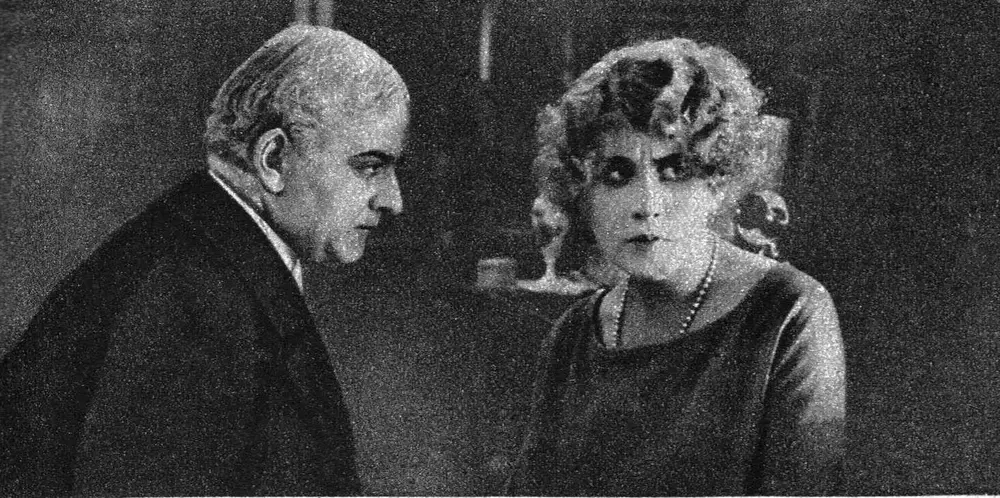
Emmy Lynn operates in micro-movements: the way her pupils dilate when Robert’s name is spoken, the flutter of a lace cuff that might as well be a cardiac alarm. She never telegraphs innocence—she doubts herself, and that tremor is what makes the audience complicit in her sentencing.
André Dubosc plays Henri like a man who measures love in tolerances: a kiss permitted at 18:00, a parlor conversation capped at 12 minutes. When suspicion enters, he doesn’t rage—he recalibrates, relocating Odette’s belongings to the guest room with the chilling precision of an engineer aligning rails.
“Roussel’s camera lingers on those empty drawers longer than on Odette’s face; absence, he implies, is the true evidence of guilt.”
Most captions are whispered by an omniscient gossip: “They say she dined alone with him at Paillard’s.” The plural pronoun is the blade; no single accuser exists, so the blame vaporizes into society itself, unassailable and everywhere.
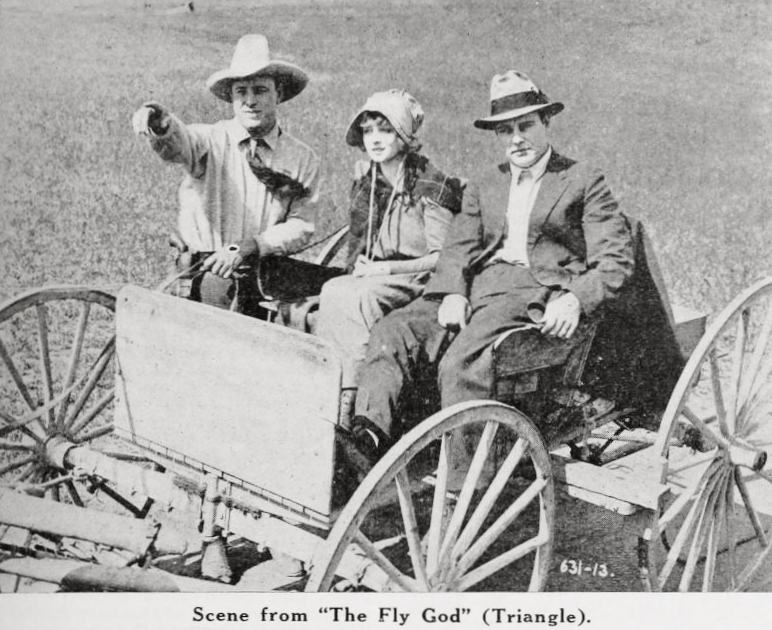
Roussel’s procedural shaming anticipates the reputational guillotine of Skinner’s Dress Suit, yet where that American comedy ultimately cushions its clerk with upward mobility, Odette’s world offers no capitalist loophole—only moral quarantine. Conversely, A Modern Magdalen wields religious redemption as narrative balm; Roussel denies even that sacrament, replacing priestly absolution with the ocean’s amoral gulp.
Viewers reared on Creation’s flapper irreverence may find Odette’s passivity exasperating, but that frustration is historical evidence: in 1916 a woman’s “no” was merely prologue to society’s louder “yes, you did.”
I re-watched the YouTube transfer with ambient city noise leaking through my headphones—sirens, a neighbor’s drill—and realized the film is porous; it drinks your environment and spits it back as guilt. Try it: let metro brakes screech during Odette’s beach walk and watch the anachronism feel eerily correct.
The print’s emulsion cracks resemble lightning across Lynn’s cheekbones—archival damage as accidental expressionism. Every swirl of decay echoes the community’s corroding trust. Do we restore, or let the rot speak? The Cinémathèque’s 4K scan chose preservation over polish, blessing us with ghostly authenticity.
When the tide reclaims Odette’s footprints, Roussel isn’t punishing sin—he’s indicting the very vocabulary of “fault.” The scandal was never the imagined kiss; it was the societal reflex that labeled a woman’s solitude as provocation. A century later, Twitter mobs swap corsets for handles but the choreography of ostracization rhymes. La faute d'Odette Maréchal endures because it refuses catharsis; instead it hands us the mirror—still cracked, still fogged—and asks us to recognize our own faces in the mob.
If this review left you trembling, chase it with the capitalist daydreams of The Miracle of Money or the salty escapism of Pirate Haunts—but know that Odette’s silhouette will follow you, a negative after-image burned into your retinas by 1916 light.
IMDb —
1916
Community
Log in to comment.