DbcultAccessing Vault...
Cult Review
Senior Film Conservator
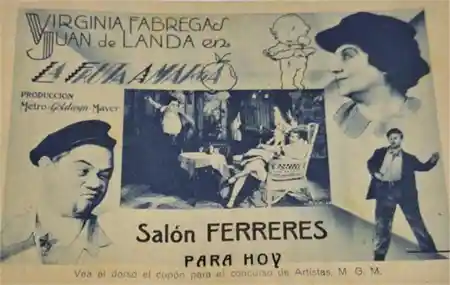
If you have a soft spot for early 1930s movies where everyone looks like they need a good scrub, then yes. You should definitely check it out.
It’s a bit of a relic, but a cool one. People who hate slow, melodramatic shouting matches will probably want to turn it off after ten minutes though. 🌊
So, I watched this last night. It is the Spanish-language version of Min and Bill, which was a huge hit back in the day.
Back then, studios would just film the same movie twice with different actors for different countries. It feels weirdly familiar but totally different at the same time.
The whole thing takes place on this grimy waterfront. You can almost smell the dead fish and the salty air coming off the screen.
Virginia Fábregas plays the lead, and man, she is something else. She has this way of looking at people like she’s about to either hug them or punch them in the mouth.
She runs this flophouse and is trying to protect this girl, but she does it in the most aggressive way possible. It is intense.
There is this one scene where she is just staring out a window. The camera stays on her for way too long, but you can see every single worry on her face.
It reminded me a bit of the heavy vibes in Bajo la mirada de Dios. Just that old-world weight on everyone's shoulders.
The guy playing Bill, Juan de Landa, is basically a big human mountain. He spends a lot of time looking confused or annoyed, which is honestly relatable.
There’s this plot about the girl’s real mother coming back. It gets very soap opera-ish, but the actors really sell the desperation.
It doesn't have the same whimsical energy as something like The Gold Rush. This is much more grounded and, well, bitter. Just like the title says.
The ending is what really got me. It’s not a clean, happy wrap-up where everyone gets a trophy.
It feels a bit messy. It feels like real life where people make bad choices for the right reasons.
The pacing is a bit clunky in the middle. I found myself checking my phone once during a long dialogue scene about boat repairs.
But when the drama kicks back in, it really moves. It’s got that raw, unpolished feeling of early sound cinema that you just don't get anymore.
Sometimes the actors over-enunciate their words. I guess they were still worried the microphones wouldn't pick them up.
It makes some of the arguments feel like they are being performed for a stadium rather than a small room. 📢
Still, Fábregas carries the whole thing on her back. She’s like a force of nature in a tattered apron.
If you're into the history of how movies were made, or just want to see a tragic mom doing her best, give it a look. It’s a short watch anyway.
It’s definitely better than some of the other stuff from that transition period, like The Sign of the Rose. At least things actually happen here.
Just don't expect a polished masterpiece. It’s a rough slice of life from a long time ago.
IMDb —
1916
Community
Log in to comment.