DbcultAccessing Vault...
Cult Review
Senior Film Conservator
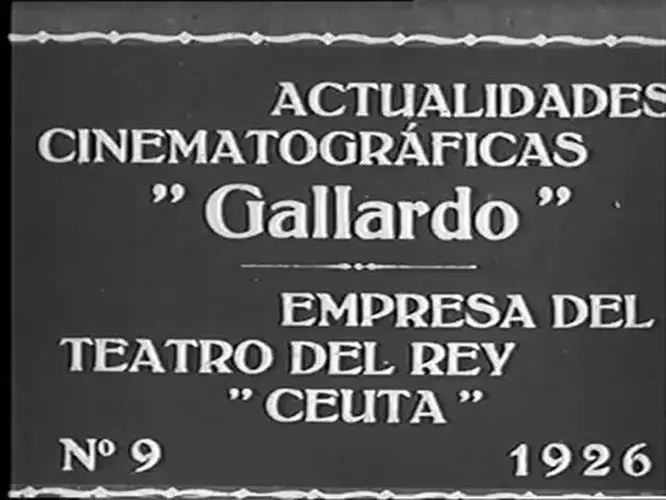
Short answer: Yes, but with a critical eye. This documentary provides a unique insight into the Spanish colonial war in Morocco, blending official propaganda with historically significant images. However, it falls short in its narrative structure and emotional resonance.
Who this film is for: History lovers, those interested in early 20th-century colonial conflicts, and film enthusiasts who appreciate documentaries with a mix of propaganda and reality.
Who it is not for: Those seeking a purely objective historical account, those who prefer more polished filmmaking techniques, and those uninterested in the biases present in official propaganda.
La guerra de África is effective in its raw, unfiltered portrayal of the colonial war. The film's use of historical images and footage provides a tangible connection to the past, making it a valuable resource for those studying the era.
One standout moment is the scene where Spanish soldiers march through the streets, their faces a mix of confidence and fatigue. This scene captures the human cost of war and the propaganda that often accompanies it, offering a stark contrast between the soldiers' public image and their private struggles.
The film's structure is occasionally disjointed, with sections of official propaganda seamlessly blending into historical images without clear transitions. This can make the viewing experience somewhat jarring, detracting from the overall narrative flow.
Additionally, the film's reliance on historical images and footage means it lacks the emotional depth and storytelling techniques that modern documentaries often employ. The absence of a compelling narrative can make it difficult for some viewers to remain engaged throughout the film.
...you're interested in the early 20th-century colonial conflicts and want to see historical propaganda in action. The film's raw, unfiltered portrayal of the war offers a unique perspective that is both educational and thought-provoking.
However, if you're looking for a more polished, emotionally resonant documentary, this might not be the film for you. The lack of narrative structure and pacing issues can make the viewing experience less enjoyable for some.
The film relies on historical footage and images rather than any acting performances, which can be both a strength and a weakness. While the raw, unfiltered nature of the footage adds authenticity, it also limits the emotional range and character development that modern documentaries often provide.
The film's strength lies in its use of historical footage and images. The cinematography is not particularly groundbreaking, but the film's ability to blend these elements effectively makes for a compelling viewing experience. The use of close-ups and wide shots adds to the documentary's immersive quality, though the lack of modern techniques can sometimes make the film feel dated.
The film's pacing is somewhat uneven, with sections of historical footage and propaganda occasionally feeling disjointed. The tone is primarily informative, with a focus on presenting the events of the war as they occurred. While this approach can be effective, it can also make the film feel less engaging for some viewers.
Compared to other historical documentaries, such as 'Honeymoon Hardships' or 'The Bohemian Dancer,' La guerra de África offers a more raw and unfiltered portrayal. While these films may have more polished storytelling techniques, La guerra de África's unique blend of propaganda and reality provides a valuable historical perspective.
While La guerra de África may not be a cinematic masterpiece, it is definitely worth watching for those with an interest in historical propaganda and early 20th-century colonial conflicts. The film's raw, unfiltered nature and the historical images it presents make it a valuable resource for history enthusiasts. However, if you're looking for a more polished, emotionally resonant documentary, you might want to explore other options.
La guerra de África may not be a cinematic masterpiece, but it is definitely worth watching for those with an interest in historical propaganda and early 20th-century colonial conflicts. The film's raw, unfiltered nature and the historical images it presents make it a valuable resource for history enthusiasts. However, if you're looking for a more polished, emotionally resonant documentary, you might want to explore other options. It works. But it’s flawed. It provides a unique perspective on the conflict, but its uneven pacing and lack of narrative structure can make it less engaging for some viewers.

IMDb —
1927
Community
Log in to comment.