DbcultAccessing Vault...
4.4/10
Senior Film Conservator
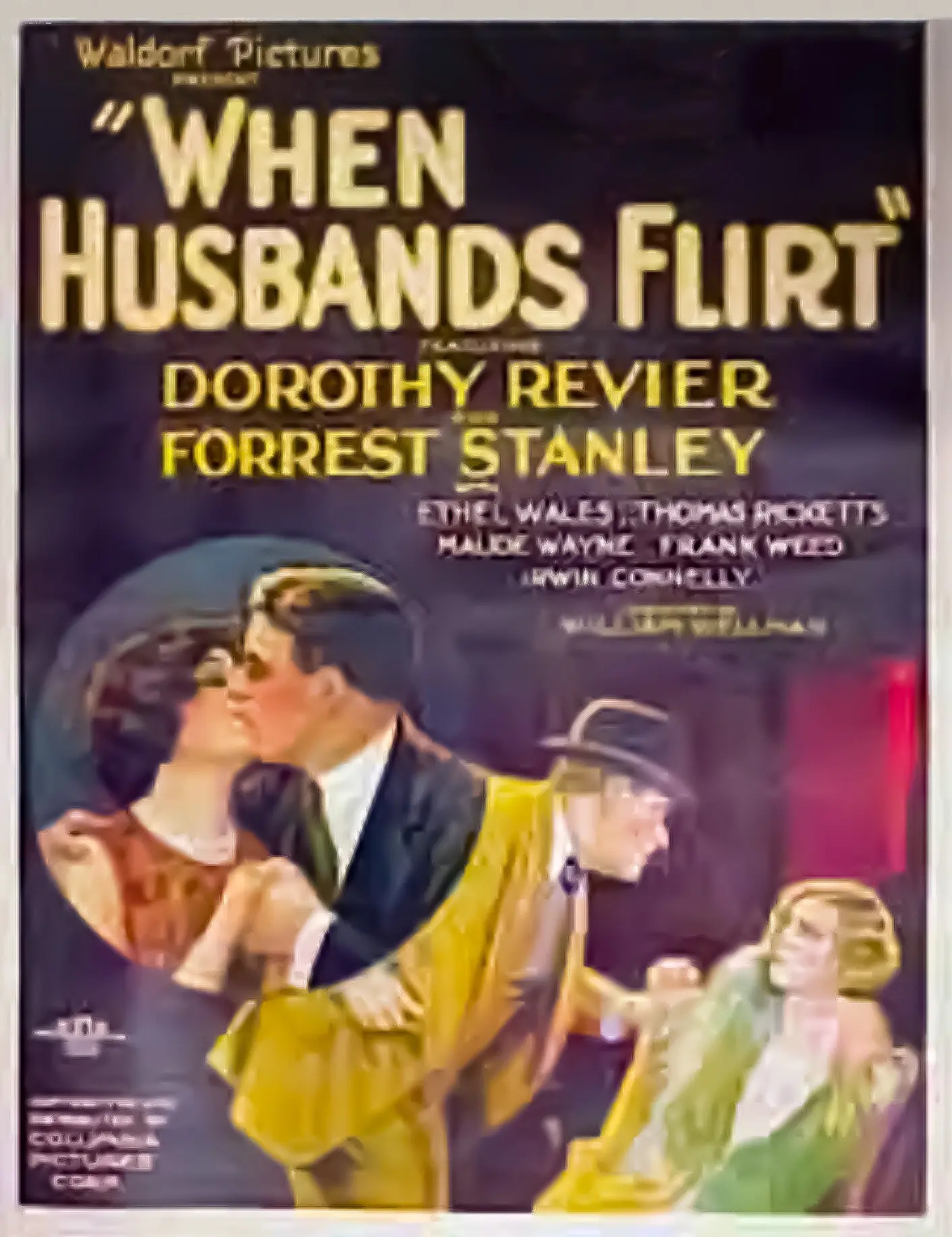
A definitive 4.4/10 rating for a film that redefined the boundaries of cult cinema. When Husbands Flirt remains a cornerstone of transgressive art.
In the silent era of cinema, a period marked by rapid artistic innovation and social change, 'When Husbands Flirt' emerges as a fascinating case study of marital dynamics, moral duplicity, and the nascent exploration of human desire. Directed by the visionary Dorothy Arzner and written by Arzner and Paul Gangelin, this film presents a nuanced, if not downright provocative, examination of relationships in the 1920s.
The narrative pivots on a seemingly innocuous act: Henry Gilbert, a successful lawyer, lends his car to his partner, Wilbur Belcher, for a night out while he works on a case for the Purity League, an organization led by the formidable Percy Snodgrass. Unbeknownst to Henry, Wilbur, characterized by Frank Weed with an unmistakable air of sophistication and unapologetic homosexuality, decides to indulge in a bit of nostalgia with Charlotte Germaine, an old flame played by Dorothy Revier. This fleeting moment of recklessness sets off a chain reaction, plunging the characters into a maelstrom of emotional turmoil and ethical quandaries.
One of the most striking aspects of 'When Husbands Flirt' is its fearless tackling of themes that were, at the time, considered taboo or at least highly sensitive. The film's portrayal of Wilbur's gay identity, though not the central focus, is handled with a remarkable degree of openness and respect, especially considering the societal norms of the 1920s. This aspect, while not unprecedented, is noteworthy for its time and adds a layer of depth to the narrative.
The performances across the board are commendable, with standout turns from Frank Weed as the charismatic and confident Wilbur Belcher, and Dorothy Revier as Charlotte Germaine, whose on-screen chemistry is undeniable. Ethel Wales and Erwin Connelly also deliver memorable performances, adding to the film's rich tapestry of characters.
From a technical standpoint, 'When Husbands Flirt' showcases the artistic vision of Dorothy Arzner, one of the pioneering female directors of the silent era. Her use of lighting and composition creates a visually engaging experience, while her handling of the narrative demonstrates a keen understanding of the complexities of human relationships.
Comparing 'When Husbands Flirt' to other films of its era, such as The Greek Interpreter and The Triumph of Love, it becomes clear that this film occupies a unique space in the cinematic landscape of the 1920s. While some films of the period adhered to more traditional narratives and moral frameworks, 'When Husbands Flirt' ventures into uncharted territory, exploring themes of desire, deception, and personal identity with a boldness that is both striking and thought-provoking.
In conclusion, 'When Husbands Flirt' is a seminal work in the history of cinema, offering a compelling exploration of human relationships, morality, and the complexities of desire. Through its engaging narrative, strong performances, and artistic vision, the film provides a rich viewing experience that continues to resonate with audiences today. For those interested in the evolution of cinematic themes and the silent era of filmmaking, 'When Husbands Flirt' is an essential watch, offering insights into the societal attitudes and artistic innovations of its time.
Ultimately, 'When Husbands Flirt' stands as a testament to the power of cinema to challenge, provoke, and inspire. It is a film that not only reflects the values and anxieties of its era but also anticipates future conversations about identity, morality, and the human condition. As such, it remains a vital part of our cinematic heritage, continuing to captivate and engage audiences with its enduring relevance and cinematic charm.
IMDb 6.4
1935
Community
Log in to comment.