DbcultAccessing Vault...
6.7/10
Senior Film Conservator

A definitive 6.7/10 rating for a film that redefined the boundaries of cult cinema. La marche nuptiale remains a cornerstone of transgressive art.
You should probably watch this if you have a soft spot for grainy French movies where the characters look like they are constantly on the verge of a nervous breakdown. It is a good pick for a rainy Sunday when you feel like being a bit dramatic.
If you can't stand silent films or people playing piano with way too much emotion, you will likely hate every second of it. It is very slow, even for 1929.
The story is pretty simple. Grace is this rich girl who falls for her music teacher, which is a classic trope, but it feels extra heavy here because her family is just so... stiff.
Louise Lagrange plays Grace, and she has these eyes that just sort of take over the whole screen. There is a scene early on where she is just looking at the piano keys and you can tell she is thinking about a million things at once.
I noticed the wallpaper in the family's house is actually kind of ugly. It’s got these weird patterns that make the rooms feel even smaller than they are, which I guess fits the mood.
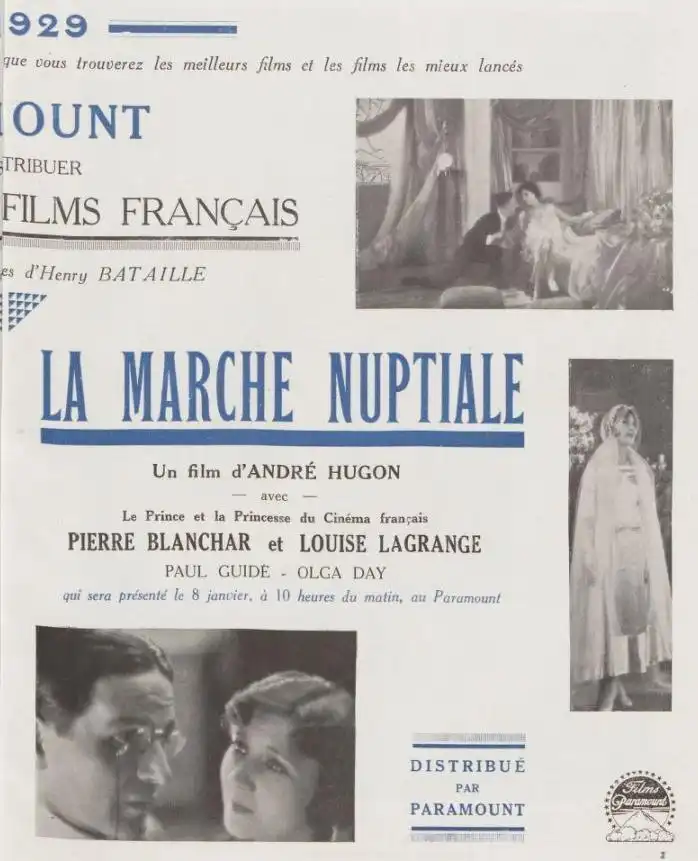
Pierre Blanchar shows up as the teacher, and man, he looks like he hasn't slept in a week. He has this very intense energy that makes the other actors look like they are made of wood.
There is a moment where he is conducting or playing—I forget which—and the way his hands move is almost scary. It’s much more visceral than what you see in something like Blue Blood which felt a bit more polished and fake.
The wedding march itself isn't exactly a happy tune in this movie. It feels more like a funeral march, which is obviously the point, but the director André Hugon really hammers it home.
Sometimes the camera stays on a face for about ten seconds too long. You start counting the seconds and it gets a little bit awkward, like you’re staring at a stranger on the bus.
I liked the way the shadows fell across the floor in the big mansion. It made the whole place look like a prison, even though there are fancy vases and stuff everywhere.

There is a side character, maybe a cousin or a friend, who wears this insane hat with a feather that keeps bobbing around. I couldn't stop looking at the feather during a really serious conversation.
It reminded me a little of Revelation in how it deals with people being stuck in their social roles. Everyone is just so worried about what the neighbors think.
The pacing gets a bit weird in the middle. It’s like the movie forgets it has a plot and just wants to show us people walking through gardens for a while.
I think the writers, Hugon and Bataille, really wanted us to feel bad for Grace, but sometimes she’s just a bit too passive. Like, just stand up for yourself, girl!
But then again, it was 1929 and things were different. The ending doesn't feel like a Hollywood ending, which is a relief because a happy ending would have felt like a lie.
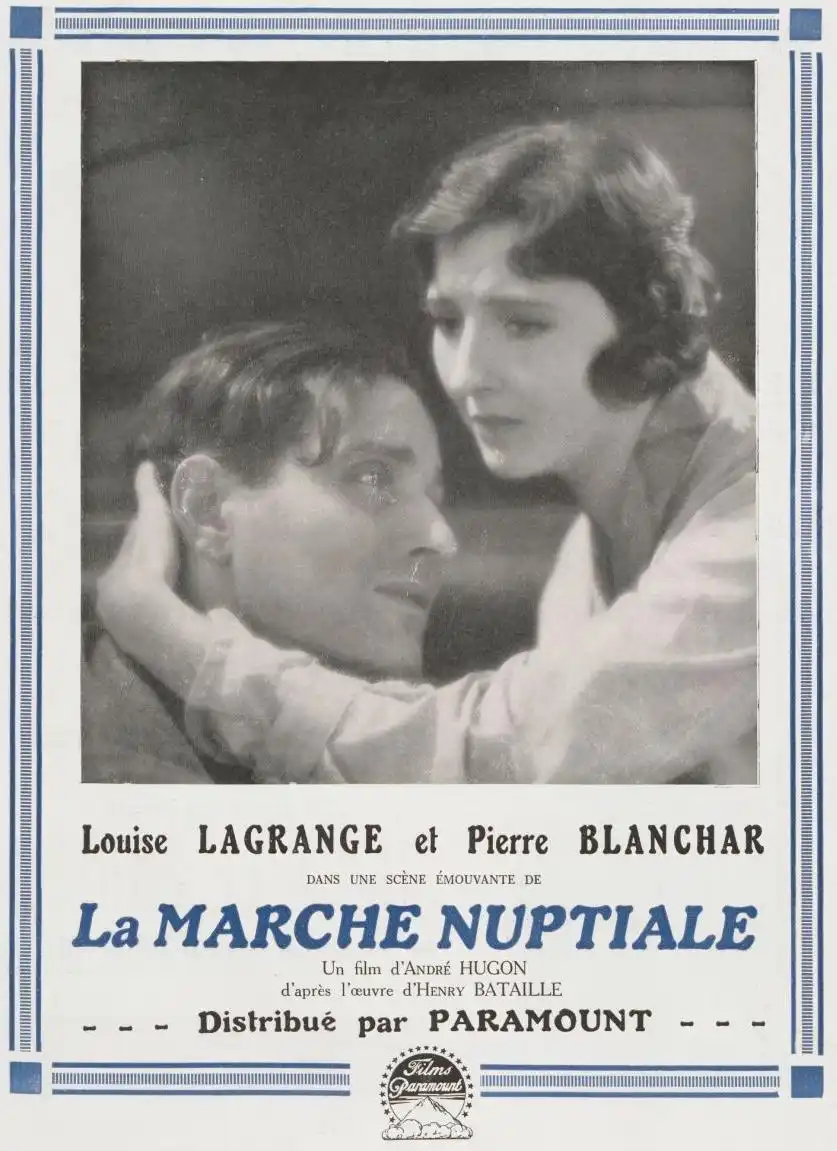
It’s not as fast-paced as The Show, but it has a weird, quiet power to it. You just have to be in the right mood to let it sit there and breathe.
The film quality on the version I saw was a bit rough. Some of the title cards were hard to read because of the scratches, but it kind of added to the vibe, honestly. 🎬
One specific shot of a letter being torn up was really well done. The way the paper crinkles sounds so loud in your head even though it's a silent movie.
Overall, it's a solid piece of history. It’s not a masterpiece that will change your life, but it’s a good way to spend ninety minutes if you like old-school melodrama.
Just don't expect any car chases or jokes. It is 100% serious, 100% of the time. 🎹
IMDb —
1928
Community
Log in to comment.