DbcultAccessing Vault...
5.9/10
Senior Film Conservator
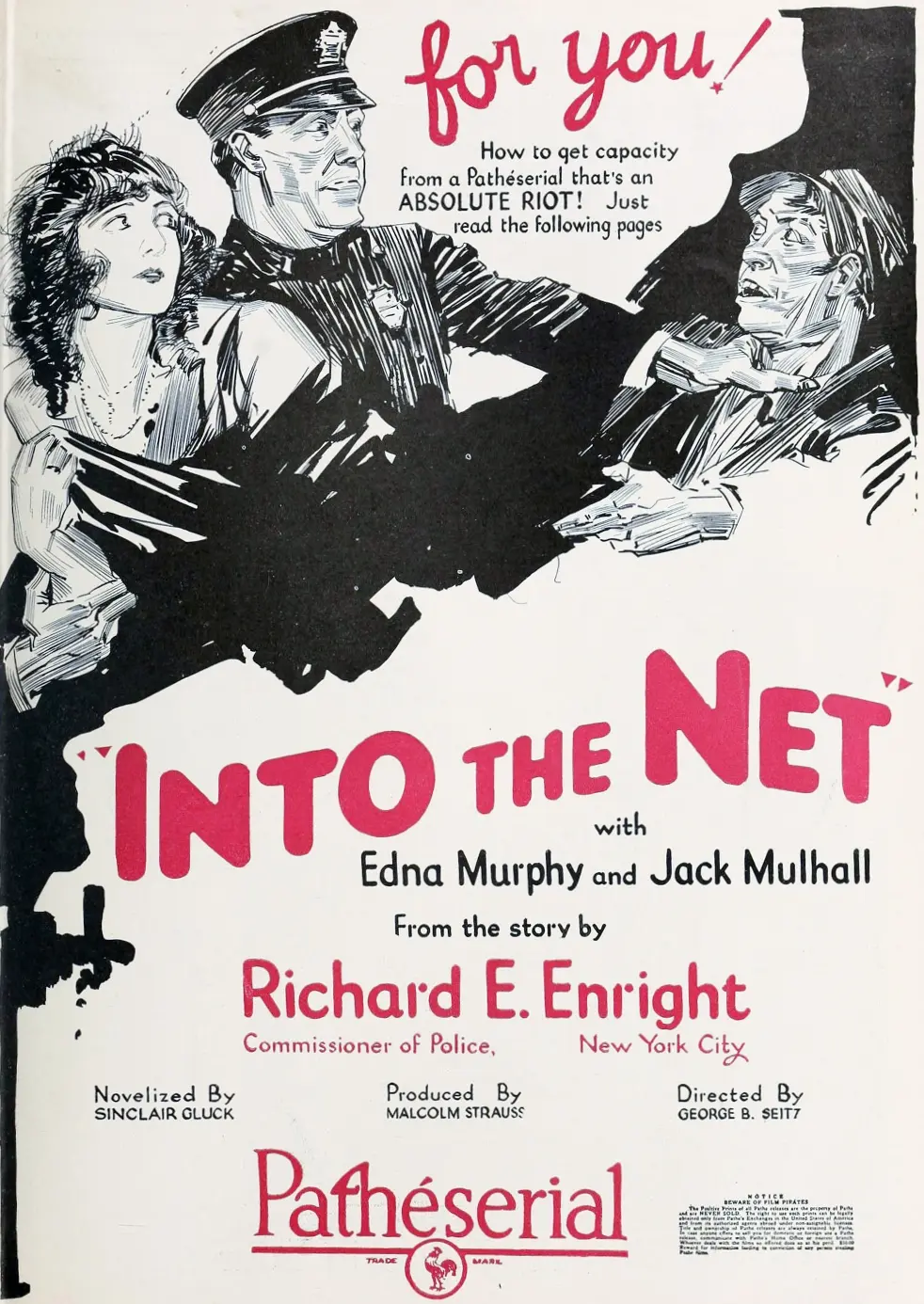
A definitive 5.9/10 rating for a film that redefined the boundaries of cult cinema. Into the Net remains a cornerstone of transgressive art.
There is a peculiar, almost haunting resonance in the way silent cinema captured the burgeoning anxiety of the American metropolis. In 1924, Into the Net emerged not merely as another episodic thriller, but as a visceral document of urban paranoia. Directed by George B. Seitz and penned with an uncanny authority by Richard E. Enright—the then-sitting Police Commissioner of New York City—the film carries a weight of authenticity that few of its contemporaries could hope to emulate. While films like The Fortune Teller leaned into the mystical and the theatrical, Into the Net is firmly rooted in the damp pavement and the cold iron of the precinct house.
The involvement of Richard E. Enright cannot be overstated. It is a rarity in the annals of cinema to have the chief of police for the world's most complex city scripting a narrative about the very crimes he was tasked with preventing. This lends the film a procedural texture that predates the Dragnet era by decades. Where Fantomas - On the Stroke of Nine revels in the surrealism of the master criminal, Enright’s vision of New York is one of logistical nightmares and systemic vulnerabilities. The abduction of twenty wealthy girls isn't treated as a gothic mystery, but as a catastrophic failure of the social safety net that the wealthy thought their money could buy.
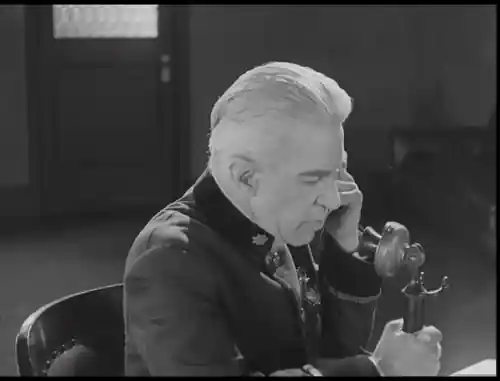
Enright, alongside Sinclair Gluck and Frank Leon Smith, crafts a screenplay that moves with a relentless, clockwork precision. The dialogue titles are sparse, allowing the visual storytelling to carry the burden of the investigation. The stakes feel higher here than in the lighthearted escapades of A Pair of Sixes. There is a sense of impending doom that permeates the frames, a feeling that the "Net" of the title is not just catching criminals, but is slowly tightening around the throat of the city itself.
Edna Murphy, as Madge Vanderveer, provides the emotional and moral compass of the serial. In an era where female leads were often relegated to the role of the perpetual victim—think of the delicate sensibilities found in Don't Call Me Little Girl—Murphy brings a steely-eyed resolve to her performance. She is not merely a socialite caught in a storm; she is an active participant in the unraveling of the Vulture’s web. Her chemistry with Jack Mulhall’s Detective Berton is grounded in a mutual professional respect that was remarkably progressive for 1924.
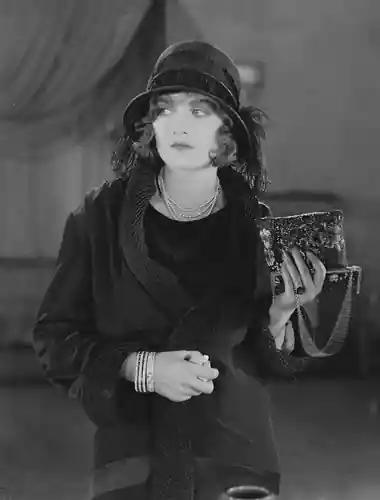
Jack Mulhall, ever the reliable leading man, eschews the flamboyant heroics often seen in westerns like Pure Grit. Instead, he portrays Berton as a man of the system—methodical, tired, and deeply aware of the shadows lurking in the corners of the five boroughs. And then, there is the young Constance Bennett. Even in this early role, Bennett possesses a luminous screen presence that hints at the stardom to follow. Her performance adds a layer of vulnerability to the group of kidnapped socialites, making their plight feel personal rather than just a plot point.
The visual language of Into the Net is a masterclass in silent era tension. The cinematography utilizes the burgeoning verticality of New York, contrasting the airy heights of luxury apartments with the claustrophobic, lightless basements where the girls are held. This duality is a recurring theme in silent cinema, yet here it feels more grounded than the epic historical scales of Armenia, the Cradle of Humanity under the Shadow of Mount Ararat. The city is not a backdrop; it is a cage.
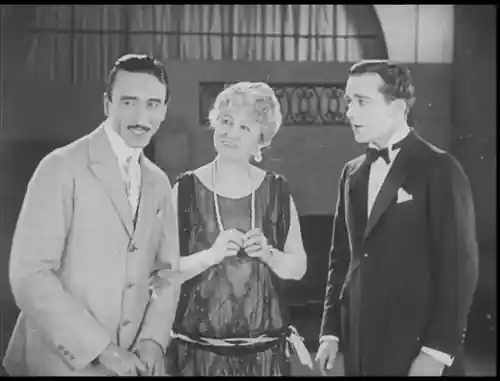
The use of shadow and light—proto-noir in its execution—creates a visual rhythm that keeps the viewer off-balance. The "Vulture" is often depicted as a silhouette, a presence that is felt more than seen, echoing the elusive nature of the antagonist in Beatrice Fairfax Episode 9: Outside the Law. However, where Beatrice Fairfax relied on the serialized tropes of the newspaper strip, Into the Net feels like it is breathing the same air as its audience, a smoggy, dangerous air that smells of industry and illicit secrets.
When we look at the landscape of 1920s cinema, the diversity is staggering. You have the whimsical antics of Le peripezie dell'emulo di Fortunello e compagni or the technological curiosity of Monty Works the Wires. Against these, Into the Net stands as a somber, serious-minded exploration of crime. Even when compared to the grand adventure of Michael Strogoff, the stakes in Into the Net feel more immediate because they are so localized. It is the difference between a war for an empire and a war for the safety of one's own neighborhood.
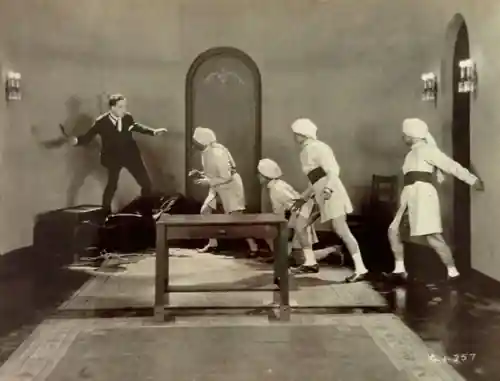
The serial format—ten chapters of escalating tension—allows for a character development that a standard feature often lacks. We see the toll the investigation takes on Berton and Vanderveer. We see the psychological erosion of the kidnapped girls. This isn't the quick resolution of a film like Call a Taxi; it is a marathon of endurance. The pacing is deliberate, building a sense of dread that mirrors the experience of a city under siege by an invisible enemy.
What makes the villainy in Into the Net so compelling is its systemic nature. The Vulture isn't just a man with a grudge; he represents the predatory instincts of a society that has grown too fast and left its morals behind. Unlike the prairie-bound conflicts of Bull Arizona - The Legacy of the Prairie, the conflict here is one of modern sophistication versus primitive greed. The kidnappings are a strike at the heart of the establishment, and the establishment’s response—embodied by Enright’s fictionalized NYPD—is a fascinating look at the birth of modern policing.
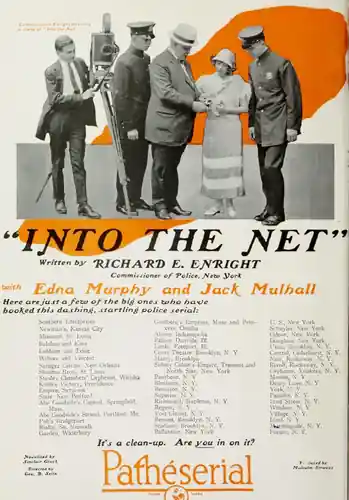
In the quieter moments, the film explores the emotional fallout of the crime. We see the desperation of the families, a theme also touched upon in Her Moment, though handled with more procedural coldness here. The film asks: what is the cost of safety? And in the final chapters, as the net finally closes, the answer is a sobering reflection on the necessity of vigilance in an indifferent world.
The editing in Into the Net is remarkably modern. Cross-cutting between the police headquarters and the hideout of the Vulture creates a sense of simultaneous action that was still being perfected in the mid-20s. This isn't the static, stage-bound presentation of June Madness. Seitz uses the camera to probe the environment, often utilizing low angles to make the police officers look like titans of justice, while the criminals are shot through the obscuring frames of banisters or cracked windows.
The production design also deserves accolades. The recreation of the "underworld" feels lived-in and dangerous, a far cry from the sanitized romanticism found in What Love Will Do. There is a tactile quality to the sets—the peeling wallpaper, the damp bricks, the heavy iron locks. It creates a sensory experience that compensates for the lack of sound, drawing the viewer into the physical reality of the characters' struggle.
Into the Net remains a vital piece of cinematic history, not just for its unique authorship but for its uncompromising vision of the American city. It is a film that understands the terror of the anonymous crowd and the vulnerability of the individual. While many silent serials have been lost to time or relegated to the status of kitsch, this work stands as a precursor to the great noir thrillers of the 1940s.
It challenges the viewer to look beneath the surface of the roaring twenties, to see the machinery of crime and the men and women who stood against it. It is a story of rescue, yes, but more importantly, it is a story of revelation. In the end, the "net" is not just for the criminals; it is the entire social structure we inhabit, fragile and interconnected, where the disappearance of twenty girls can threaten to unravel the very fabric of the world. For any serious student of silent film or the history of the police procedural, Into the Net is an essential, if harrowing, journey into the heart of the urban darkness.
IMDb 5.4
1926
Community
Log in to comment.