DbcultAccessing Vault...
Cult Review
Senior Film Conservator
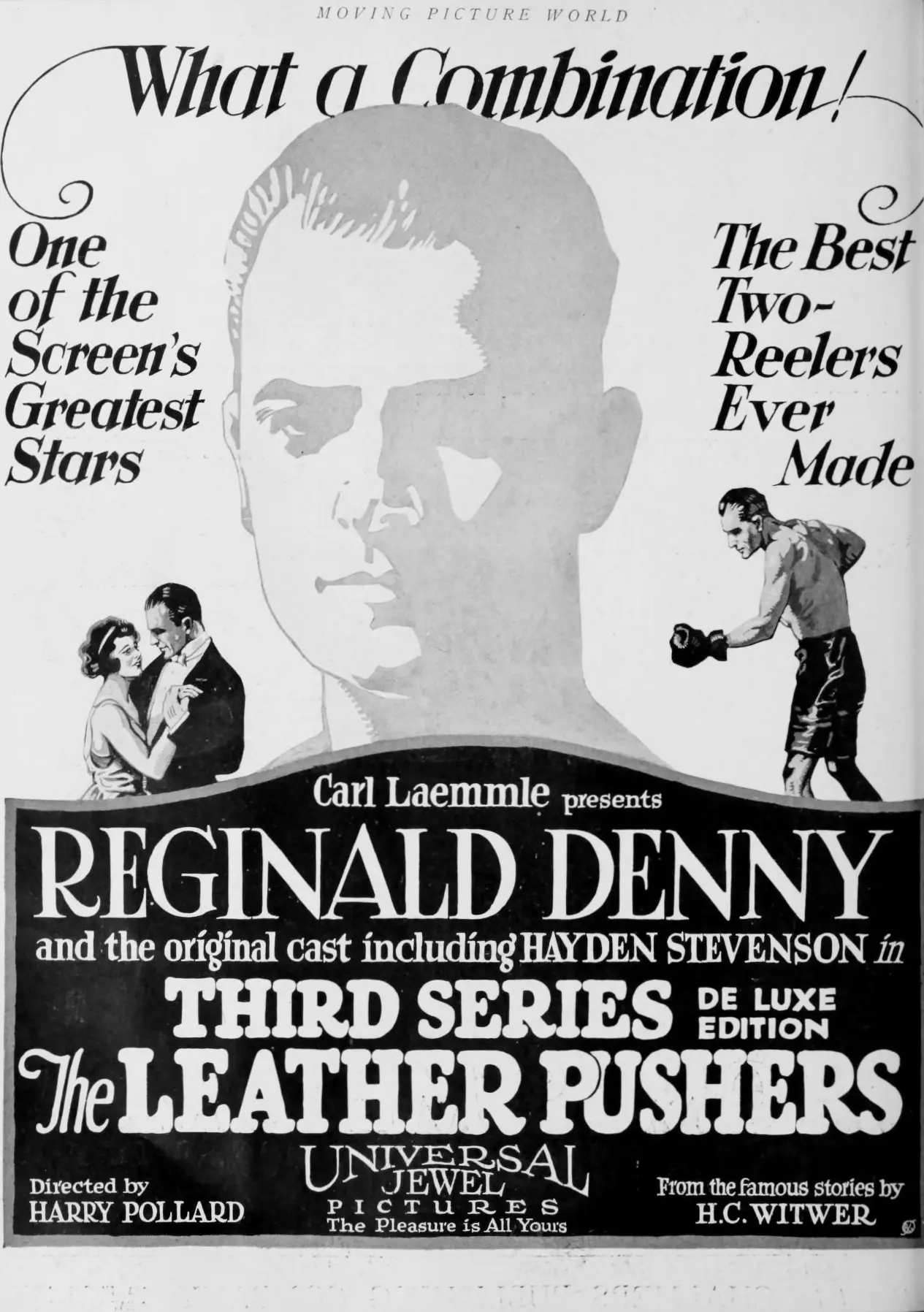
When Reginald Denny steps into the dusty frames of Don Coyote, the audience is immediately thrust into a world where illusion masquerades as honor. Denny’s portrayal of the eponymous con‑artist is a masterclass in silent‑film physicality; his exaggerated gestures and piercing eyes convey a charismatic deceit that transcends the absence of dialogue. The film, penned by H.C. Witwer, weaves a tapestry of deception that feels both theatrical and unsettlingly realistic, a rare feat for a 1920s production.
Cinematographer John S. Stone employs stark chiaroscuro to accentuate the moral ambiguity of the border town. Night scenes are lit with a low‑key amber glow, echoing the dark orange (#C2410C) of the film’s promotional posters, while daylight exteriors burst with a washed‑out yellow (#EAB308) that suggests both hope and gullibility. The director’s choice to frame Don Coyote’s grand entrances against a backdrop of sea‑blue (#0E7490) sky reinforces the illusion of grandeur, a visual metaphor for the lofty lies the character spins.
Hayden Stevenson’s sheriff is a foil of stoic restraint, his measured movements a study in controlled tension. Unlike Denny’s flamboyance, Stevenson’s performance is grounded, his eyes often lingering on the horizon as if searching for an ethical compass. The chemistry between the two actors is palpable; each close‑up exchange is a silent duel of willpower, where a raised eyebrow or a clenched fist speaks louder than any intertitle.
The screenplay unfolds in three distinct acts: the arrival, the escalation, and the unraveling. Witwer’s script cleverly mirrors the structure of classic Westerns while subverting expectations. The arrival act mirrors the pomp of The Masquerader, where a charismatic outsider infiltrates a tight‑knit community. The escalation parallels the deceptive allure found in A Child of Mystery, where hidden motives drive the plot forward. Finally, the unraveling resonates with the moral reckonings of The White Horseman, emphasizing redemption over retribution.
The art department excels at crafting an environment that feels both authentic to the early 20th‑century Southwest and deliberately exaggerated to match Don Coyote’s theatricality. The town square, with its weather‑worn wooden facades, is punctuated by a flamboyant stage set for the troupe’s performances. The juxtaposition of genuine period props—oil lamps, wrought‑iron fences—with gaudy, faux‑Mexican regalia underscores the film’s central theme: the thin line between reality and performance.
Though a silent film, the accompanying score—recreated for modern audiences—utilizes a blend of traditional Mexican folk motifs and the brassy swagger of early jazz. This hybrid soundtrack mirrors Don Coyote’s hybrid identity, a blend of cultural appropriation and personal ambition. The music swells during the grand procession, employing a bright trumpet line that mirrors the film’s yellow hue, then recedes into a low, rumbling bass as the sheriff’s investigation tightens, echoing the sea‑blue melancholy of impending truth.
When placed alongside contemporaneous works, Don Coyote stands out for its layered critique of charismatic fraud. While Edgar’s Feast Day revels in comedic misadventure, Denny’s performance carries an undercurrent of pathos, hinting at the desperation that fuels his deception. Similarly, Two Men and a Woman explores relational dynamics, yet Don Coyote expands the scope to communal trust, making its narrative stakes broader.
The film’s portrayal of cultural appropriation—Don Coyote’s adoption of Mexican customs—invites contemporary scrutiny. While the 1920s audience may have viewed this as light‑hearted exoticism, modern viewers can interpret it as a commentary on the commodification of identity. The film inadvertently anticipates later discussions seen in works like The Blues, where performance and authenticity clash.
Preserved in the Library of Congress’s silent‑film archive, Don Coyote remains a testament to the era’s experimental storytelling. Its restoration, undertaken in 2019, uncovered original tinting—subtle amber for daylight and deep blue for night—enhancing the visual contrast that Witwer envisioned. The film’s influence can be traced through later genre hybrids, notably the 1930s “anti‑hero” Westerns that blend charm with moral ambiguity.
Don Coyote is a richly textured artifact that rewards attentive viewing. Its narrative ingenuity, combined with Denny’s magnetic performance and Stevenson’s grounded authority, creates a cinematic dialogue about truth, deception, and the possibility of redemption. For scholars of silent cinema, the film offers a fertile ground for analysis—its visual palette, thematic depth, and cultural resonances make it a compelling study. Whether you are a casual enthusiast or a seasoned archivist, the film’s layered storytelling and striking aesthetic ensure it remains a vibrant entry in the silent‑era canon.
Explore more silent‑era gems: The Brand of Lopez, Social Hypocrites, and A Fool and His Money (1922).
IMDb 5.8
1930
Community
Log in to comment.