DbcultAccessing Vault...
Cult Review
Senior Film Conservator
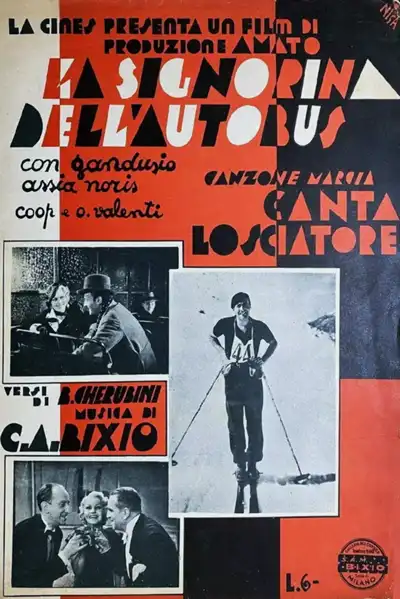
If you love dusty 1930s European comedies where everyone talks way too fast and waves their hands, La signorina dell'autobus is a fun little time machine. People who hate black-and-white yelling will probably want to turn it off after five minutes. 🚌
The setup is incredibly simple. A guy spots a pretty girl on a bus, instantly loses his mind, and spends the rest of the movie trying to track her down through a maze of ridiculous misunderstandings.
Antonio Gandusio plays the main guy, and he has this nervous, sweaty energy that makes you laugh but also kinda worry for his actual health. He talks so fast I swear the subtitles were struggling to keep up with him.
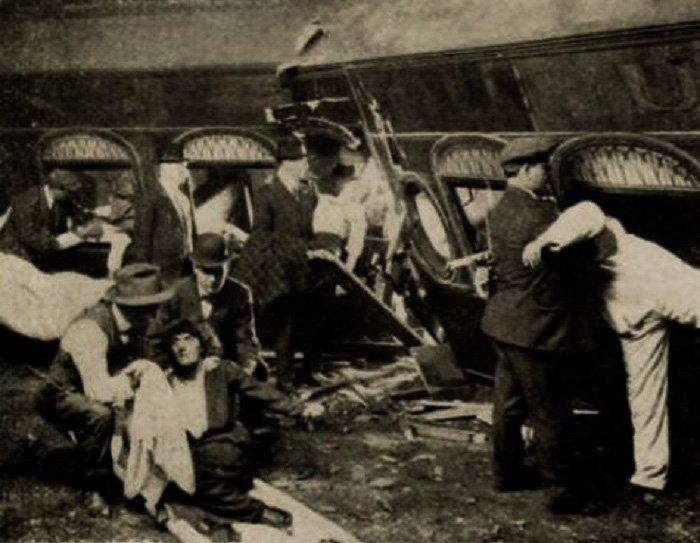
The whole thing feels a bit like those old silent chase films, maybe like Won by a Nose, but with a lot more screaming. It is loud. Like, really loud.
Early sound cinema in Italy was clearly still figuring out how microphones worked. Every time someone slams a door, it sounds like a small bomb going off in your living room.
There is this one scene in an office where a guy is typing on a typewriter, and the clacking is so deafening you can barely hear the actors. I actually had to turn my TV volume down twice. 🤫
But honestly? The movie gets noticeably better once it stops trying to be a romance and just embraces the pure chaos of the situation.
Assia Noris is great as the bus girl, even if she doesn't actually get to do much besides look pretty and act confused. Her face when Gandusio first starts rambling at her is priceless—she looks genuinely concerned for her safety.
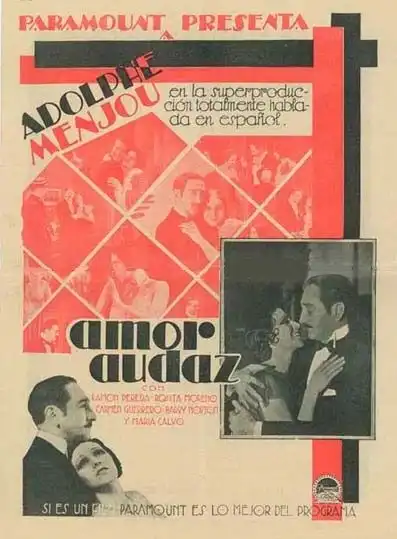
It reminds me of the desperate, goofy setups in comedies like Mary's Ankle, where the whole plot relies on nobody asking a single logical question. If anyone just said "hey, who are you?" the movie would be over in ten minutes.
Instead, we get a lot of people hiding behind doors and pretending to be someone else. It's classic theater stuff, which makes sense because the director Nunzio Malasomma basically shot this on what looks like three very cheap wooden sets.
Also, keep an eye on the background extras. In the street scenes, you can see real Italian citizens in 1933 just staring directly into the camera lens like they have never seen a movie crew before.
It is those little, messy details that I ended up liking the most. The plot itself is pretty forgettable, but the sheer energy of the cast keeps it alive.
Look, this isn't some lost masterpiece of world cinema. But if you want a quick, goofy slice of old Italian life with lots of hand gestures, it is worth a watch on a lazy Sunday afternoon.
IMDb —
1923
Community
Log in to comment.