DbcultAccessing Vault...
Cult Review
Senior Film Conservator
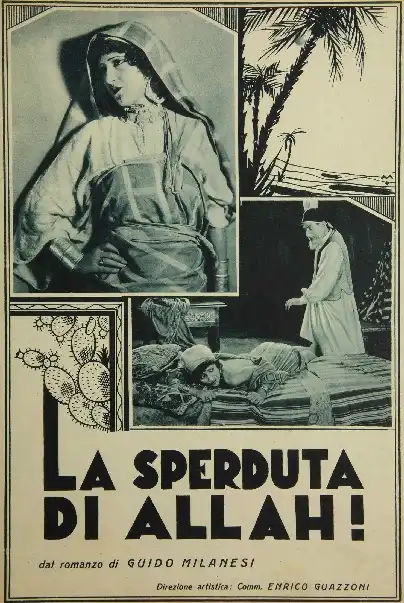
Is La sperduta di Allah worth checking out today? Well, *if* you're into those really old, silent dramas, especially ones that dig into societal rules, then maybe. This one's definitely not for folks who need fast action or crisp sound. You'll probably find it slow, and honestly, a bit heavy-handed at times. But it does have a quiet power for those patient enough.
The film sets up Neschma's world pretty quick. Her father, played by Gino Talamo, you can see he's just doing what's expected. No real malice, just *that's how it is* for him.
The forced marriage scene, it’s not loud or dramatic in the way we think of films now. It’s all in her eyes. Ines Falena, as Neschma, really carries those early moments. Her desperation just hangs in the air, you can feel it.
When she runs away, it’s not some grand escape plan. It feels more like a sudden burst of fear, pure instinct. The desert scenes, even if they were shot on some Italian lot, they *feel* vast and indifferent. Like she's just a tiny dot against something huge, you know?
Then the movie shifts. Her marriage is officially null, cancelled. But that's not the end. Not at all. The real punishment begins, social consequences.
The community turning away, it’s shown mostly through people’s backs. Or quick, *hard* glances. A real coldness. One shot, where she walks through the market, and everyone just kinda stops talking, that really stuck with me. You don't need dialogue to get the message. 😬
There's this one elder character, I can't even remember his name right now, but you see him just shaking his head, almost imperceptibly, every time Neschma is mentioned. A small thing, but it says a lot about the culture shown. Andrea Maestripieri is in it, but honestly, his character didn't leave much of a mark. He's just... *there*. A bit of a blank slate, kinda filling a space.
The film definitely takes its time. It’s not a film that rushes you through anything. Some scenes felt a *tad* drawn out, like they wanted you to really sit with Neschma’s sadness. The pacing kinda mirrors her situation; stuck, going nowhere fast.
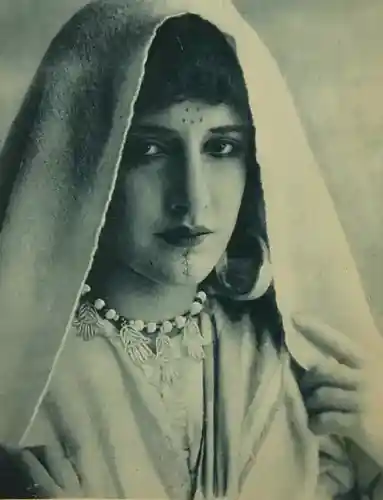
For a silent film, the close-ups on Neschma’s face are really effective. You don't get fancy camera work from this era, but it doesn't need it. It’s all about the raw emotion there. She sells it.
It’s a stark story. Not exactly uplifting, if you're looking for a hero's journey with a happy ending. More like a slow, painful observation of a life undone by one brave, desperate act. It made me think about how some rules, even if they seem ancient, can still crush people. Maybe it's a bit too bleak for some, but *gosh*, it feels real. 😔
Did I notice anything else?
IMDb —
1926
Community
Log in to comment.