DbcultAccessing Vault...
Cult Review
Senior Film Conservator
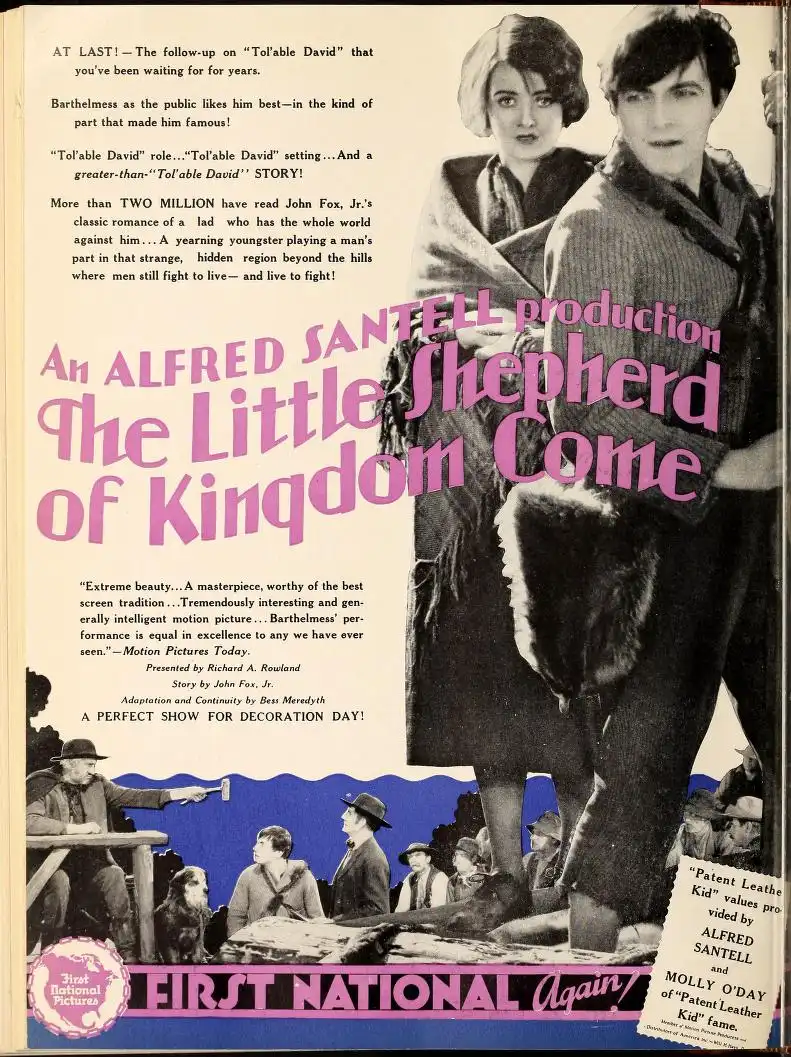
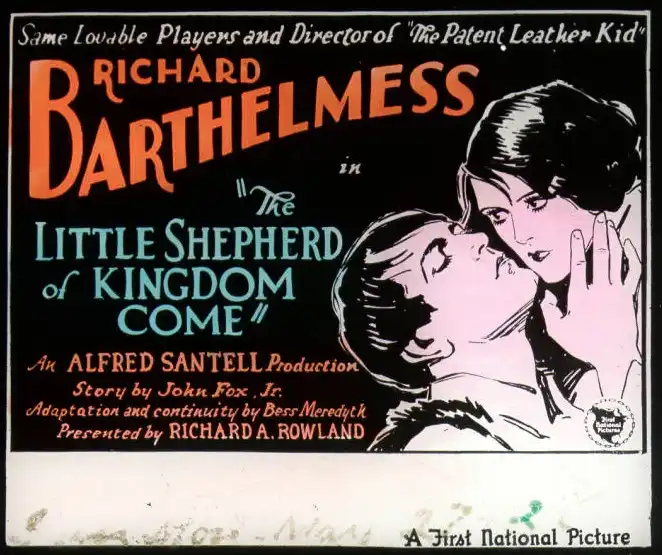
The Little Shepherd of Kingdom Come is a film for viewers who appreciate the earnest, slightly dusty sentimentality of late-1920s American cinema. It is worth watching today primarily for Richard Barthelmess’s performance and as a window into how the silent era romanticized the American South just before the talkies arrived. If you are looking for a gritty Civil War epic, you will be disappointed; if you want a well-acted melodrama about identity and class, this is a solid choice.
By 1928, Richard Barthelmess was a seasoned star. He had a specific screen presence—sensitive, slightly pained, and eternally youthful. In this film, he plays Chad, a mountain orphan. There is an inherent absurdity in a man in his thirties playing a teenager, but Barthelmess manages it through sheer stillness. He doesn't overact the 'country bumpkin' elements. Instead of mugging for the camera to show Chad’s confusion at high society, he uses his eyes to convey a quiet, watchful dignity.
One of the most effective sequences occurs early on when Chad is first introduced to the Buford estate. The way he handles a teacup or reacts to the stiff collars of the Lexington elite isn't played for broad laughs. It’s played as a genuine struggle of a boy trying to fit into a world that views him as a curiosity. It’s a far cry from the slapstick energy found in contemporary shorts like Hard Luck; here, the stakes are purely social and emotional.
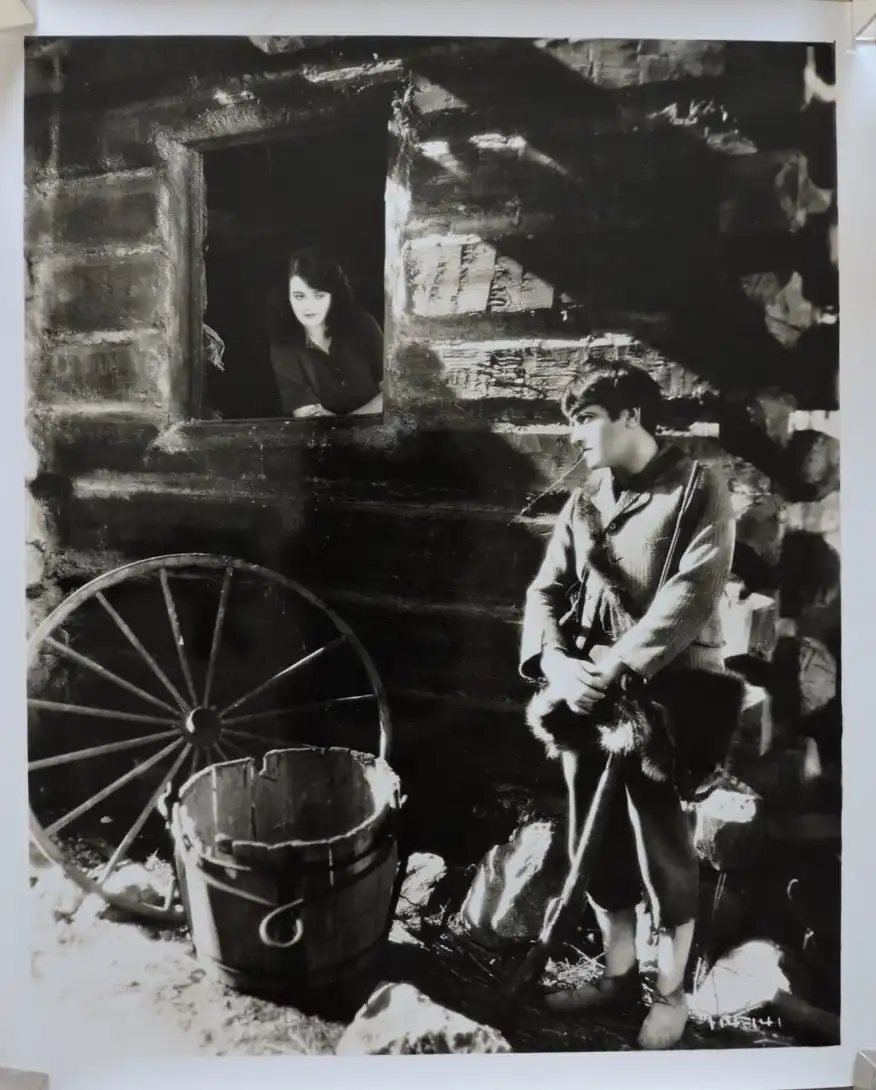
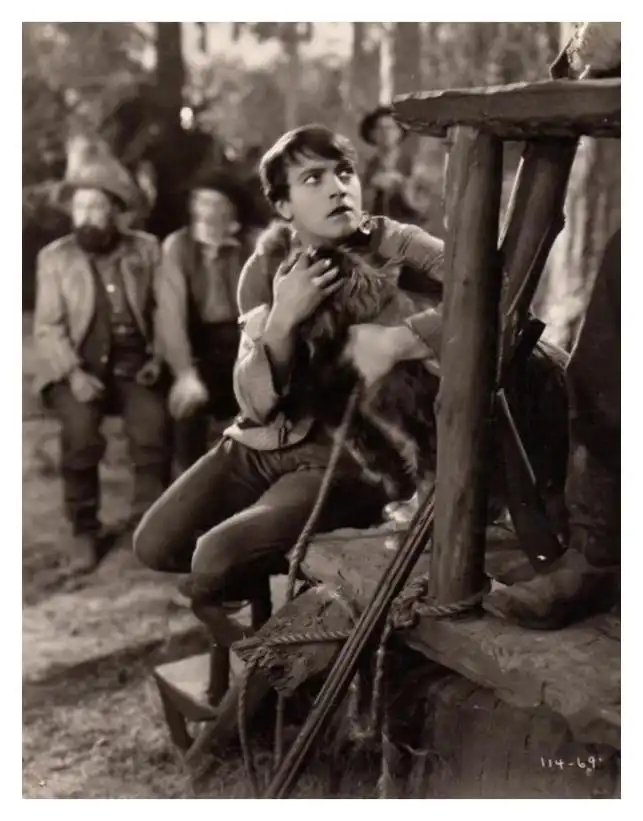
Director Alfred Santell makes a clear visual distinction between the two worlds Chad inhabits. The mountain scenes are shot with a rugged, almost documentary-like texture. You can see the dust on the characters' clothes and the unevenness of the cabin walls. There’s a specific shot of Chad sitting on a fence with his dog that feels genuinely lived-in. The lighting is naturalistic, favoring shadows and the harsh textures of the Kentucky wilderness.
Once the action moves to Lexington, the visual language shifts. The sets become symmetrical, the lighting becomes softer and more diffused, and the costumes—particularly those worn by Molly O'Day—are shimmering and pristine. This isn't just a budget choice; it highlights Chad’s internal displacement. He looks physically out of place in the soft-focus world of the Major’s mansion. The editing rhythm slows down here, lingering on the formalities of Southern life, which makes the eventual intrusion of the Civil War feel all the more disruptive.
The film’s biggest weakness is its handling of the Civil War. For a story that builds so much tension around Chad’s divided loyalties, the actual conflict feels truncated. We see Chad join the Union Army—a controversial choice for a boy adopted by a Southern Major—but the film rushes through his military career. The battle scenes are competent but lack the visceral impact of earlier silent epics. They feel like necessary plot points to be checked off rather than a core part of the drama.
There is an awkward jump in the second act where Chad goes from a struggling student to a decorated Captain almost overnight. The film loses its intimate focus during these sequences, trading character development for generic wartime tropes. The death of Major Buford is handled with appropriate weight, but the aftermath feels hurried. We are told Chad is grieving, but the film is too eager to get him back to the mountains for the final romantic resolution.
Claude Gillingwater as Major Buford provides a much-needed anchor. He avoids the 'grumpy old man' stereotype, playing the Major with a mix of loneliness and stern pride. The scene where he realizes Chad’s true lineage is a masterclass in silent reaction. There are no grand gestures; just a softening of the jaw and a long, contemplative look at a family portrait. It’s a quiet moment that feels more 'human' than the more theatrical performances found in films like The Snob.
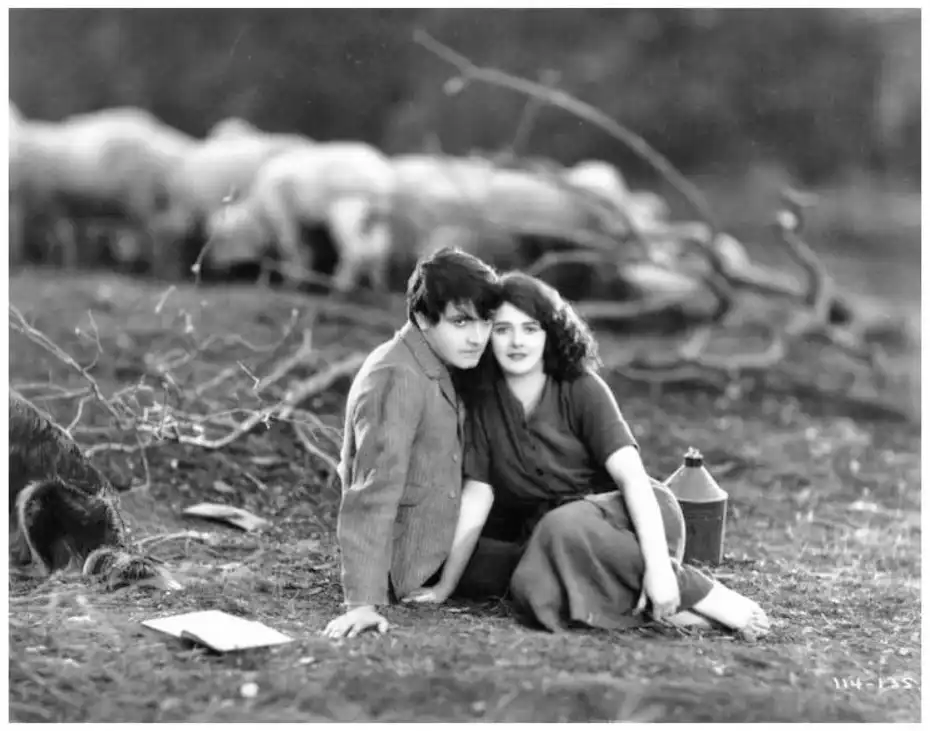
Molly O'Day is charming enough as the love interest, though her character is somewhat underwritten. She exists primarily as the 'reward' for Chad’s journey. However, the chemistry between her and Barthelmess in the final scenes is palpable. The way they stand together in the mountain clearing, framed against the wide Kentucky sky, provides a satisfying, if predictable, emotional payoff.
The Little Shepherd of Kingdom Come isn't a revolutionary piece of filmmaking, but it is a deeply sincere one. It avoids the cynicism that would later define many Southern-set dramas. While the middle section drags and the war sequences feel like a distraction from the central character study, the film succeeds because it respects its protagonist. It treats the 'mountain boy' not as a joke, but as a person with a complex internal life. For fans of the silent era, it’s a worthwhile 80 minutes, offering a glimpse of a star at the height of his powers in a story that, while old-fashioned, still carries a genuine emotional pulse.
Community
Log in to comment.