DbcultAccessing Vault...
Cult Review
Senior Film Conservator
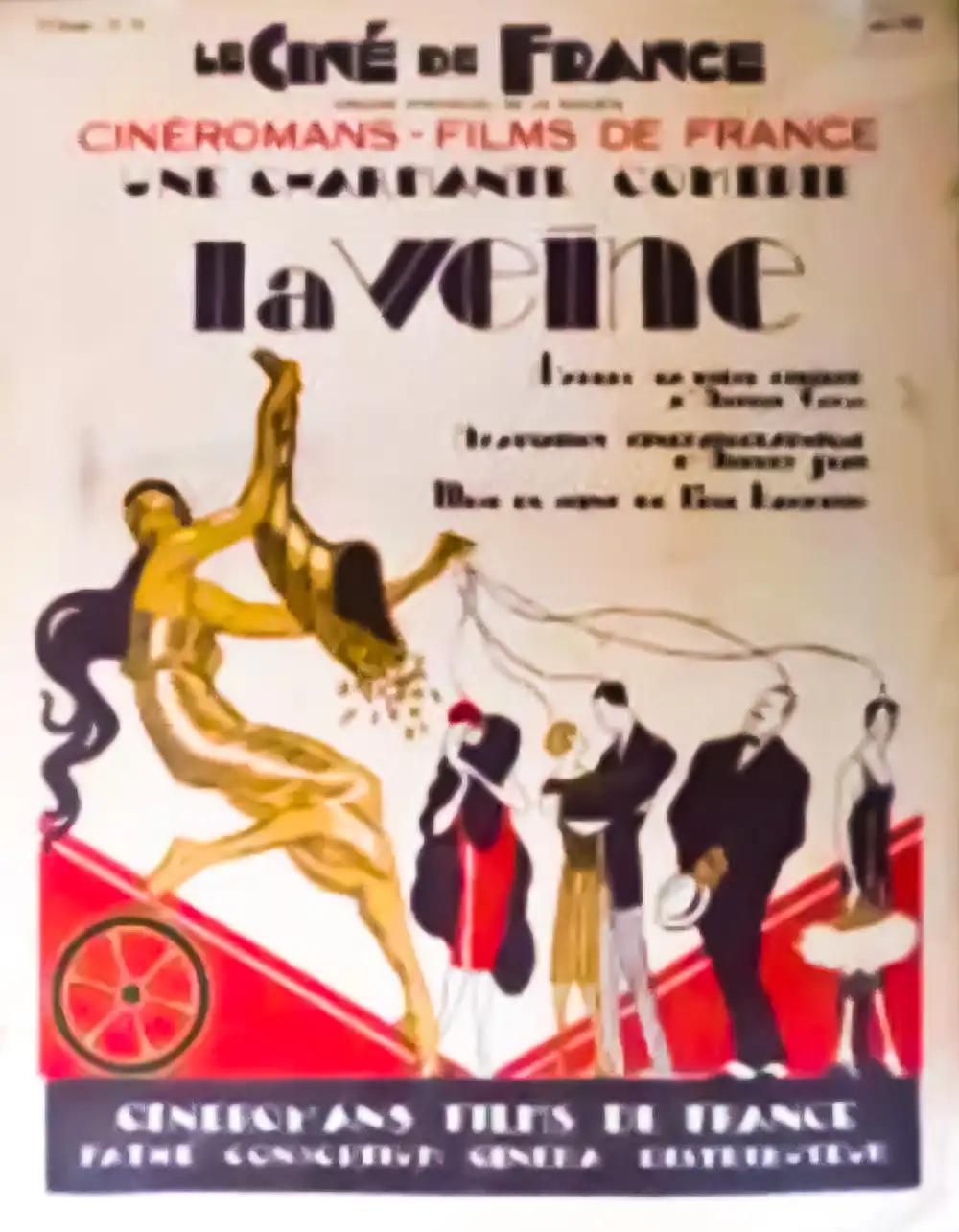
Alright, so 'La veine' isn't exactly a Saturday night popcorn flick for most folks. Let's be real, it's a silent film from 1924, which already puts it in a niche category. If you're someone who loves diving into film history, or just appreciates the sheer artistry of early cinema, then yes, absolutely worth your time. You'll probably find a lot to chew on here. But if you're looking for fast-paced action or modern dialogue, you'll likely be bored stiff, maybe even a little frustrated. This one asks for a different kind of engagement, a slower pace.
I found myself caught up in the mood of it all, even with the scratches and flickers. There's a certain stark beauty to how they tell the story without a single spoken word. The plot, well, it’s about a character, maybe a young woman, trying to make her way. You see her hopes and heartbreaks played out in these grand, almost theatrical gestures. Elmire Vautier, she really carries a lot of the emotional weight. Her expressions are just *everything* in those close-ups. You don't need dialogue to understand the sheer dread on her face when things go south.
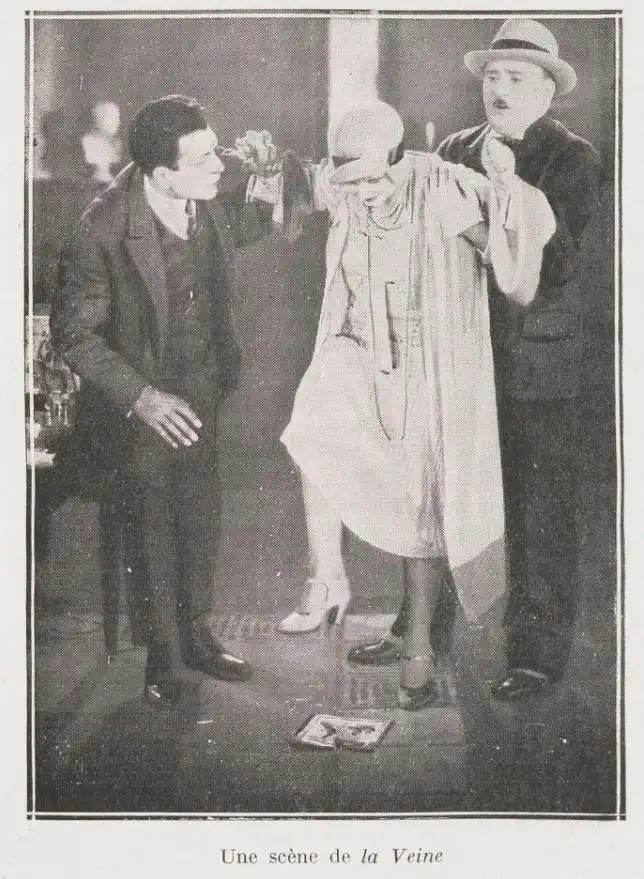
One scene really stuck with me. It’s early on, and there’s this sequence where the camera just holds on a small, almost insignificant object – a crumpled letter, I think – for what feels like ages. It’s such a simple thing, but the way the light hits it, and the almost unbearable quiet… it builds this immense tension. You just know something bad is coming, even if you can't quite pinpoint it yet. It’s a trick modern films often forget, that power of holding a shot. ✨
Then there are these crowd scenes, which feel surprisingly intimate despite the number of people. It’s like the director, whoever it was, managed to pull out individual stories from the bustle. You see a glance here, a nervous gesture there. It feels lived-in, not just a bunch of extras milling about. Though, to be fair, sometimes the pacing does drag a bit, especially in the middle. You can almost feel the movie trying to convince you this moment matters, and you're just like, 'Okay, okay, I get it, move on now.' 🤷♀️
André Nicolle plays this sort of, I don't know, *smarmy* character. He doesn’t need to say a word for you to instantly distrust him. Every smirk, every sidelong glance just screams trouble. It’s a testament to how good silent actors had to be, relying solely on their physicality and facial expressions. Modern actors could learn a thing or two, honestly.
The cinematography, for its time, is quite something. There are these deep shadows in some of the indoor shots that create a real sense of gloom. And then, suddenly, a wide shot of a bustling street, full of life and movement. It’s a constant play of light and dark, hope and despair. The transitions between these moods aren’t always smooth, mind you. Sometimes it feels a bit jarring, like someone just cut a scene and slapped another one right after. But that's part of its charm, I think. It’s less polished, more raw.
There's a scene near the end, where a character is just walking, walking for what feels like miles. The camera is far back, making them tiny against a vast, empty landscape. You get this powerful sense of isolation. It’s a quiet moment, but it speaks volumes about where they are, mentally. It’s *really* effective. You feel their exhaustion, their quiet desperation, just from that simple, drawn-out shot. Not every movie can pull that off.
So, yeah, 'La veine' is a commitment. It asks you to slow down, to actually *watch* and interpret, rather than just passively consume. It’s not a perfect film, by any stretch. There are moments where the plot gets a little fuzzy, or a reaction shot lingers so long it becomes funny. 😂 But it’s these little quirks, these imperfections, that make it feel so human. It’s a peek into a different way of making movies, and for that alone, it’s definitely worth experiencing if you're curious about film's roots.
IMDb —
1924
Community
Log in to comment.