DbcultAccessing Vault...
Cult Review
Senior Film Conservator
The documentary Atentatat v Sveta Nedelya is a stark, unflinching look at a pivotal moment in history, isolating the period from April 16, 1925, to May 27, 1925. It focuses on the explosion that ravaged the Holy King Church, one of the central landmarks in Sofia, Bulgaria, at the time. The film is not just a recounting of events but a deeply emotional journey through the rubble, the grief, and the justice that ensued.
From the moment the explosion occurred, the film captures the immediate aftermath. The Holy King Church stands as a symbol of loss, with one of its central parts and a cube destroyed. The documentary uses a mix of archival footage and reenactments to convey the chaos and destruction. Firefighters are seen meticulously cleaning up the wreckage, their faces etched with grim determination. The camera lingers on the debris, emphasizing the scale of the tragedy.
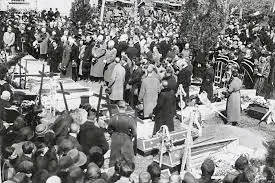
The film then shifts to the preparations for the memorial service held next to the fresh graves. The solemnity of this scene is palpable, with the weight of loss and reverence for the deceased palpable. The community comes together to honor those who perished, their collective grief palpable. The film's attention to detail is evident in the way it portrays the community's response, capturing the raw emotions and the sense of shared trauma.
As the narrative progresses, the focus shifts to the legal proceedings. Three defendants, bound in chains, are led out of the courtroom. The severity of the charges is made clear, the gravity of their actions not lost on anyone. The public trial serves as a platform for justice, but the film does not shy away from the harsh realities of the verdict. The sentence of death by hanging is carried out in front of the public, a stark reminder of the time and the justice system's approach to such crimes.
The execution scene is depicted with a level of respect and solemnity that is both respectful and impactful. The film does not sensationalize the event but instead uses the visual and emotional power of the moment to convey the gravity of the situation. This is a crucial aspect of the documentary, as it highlights the complex interplay between justice and human emotion.
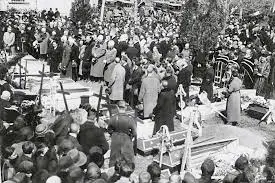
Atentatat v Sveta Nedelya is a powerful and detailed documentary that provides a deep dive into a historical event that shaped the community. It is not just a recounting of facts but a emotional exploration of the impact of tragedy and the pursuit of justice. The film is a testament to the resilience of the human spirit and the enduring legacy of historical events.
For those interested in historical documentaries, this film is a must-watch. It stands alongside other notable works such as West Meets East and Young Ideas, both of which explore the intersection of history and human experience. Atentatat v Sveta Nedelya, with its meticulous attention to detail and powerful emotional core, is a stark reminder of the past and its profound impact on the present.
The film's impact is not just in its content but in the way it is presented. The use of archival footage and reenactments creates a vivid and immersive experience, drawing the viewer into the world of the past. The director's choice to focus on the human elements—grief, resilience, and justice—makes the documentary more than just a historical account but a poignant exploration of the human condition.
In conclusion, Atentatat v Sveta Nedelya is a documentary that demands attention. It is a powerful and deeply moving exploration of a tragic period in history, one that resonates with the universal themes of loss, justice, and the enduring impact of historical events. It is a film that should be seen by those interested in historical documentaries and those who seek a deeper understanding of the human experience.
For more information on historical documentaries and the impact of historical events on modern society, check out these related films:
Explore these films for a deeper understanding of the power of historical storytelling and its relevance in contemporary times.
IMDb 6
1935
Community
Log in to comment.