DbcultAccessing Vault...
Cult Review
Senior Film Conservator
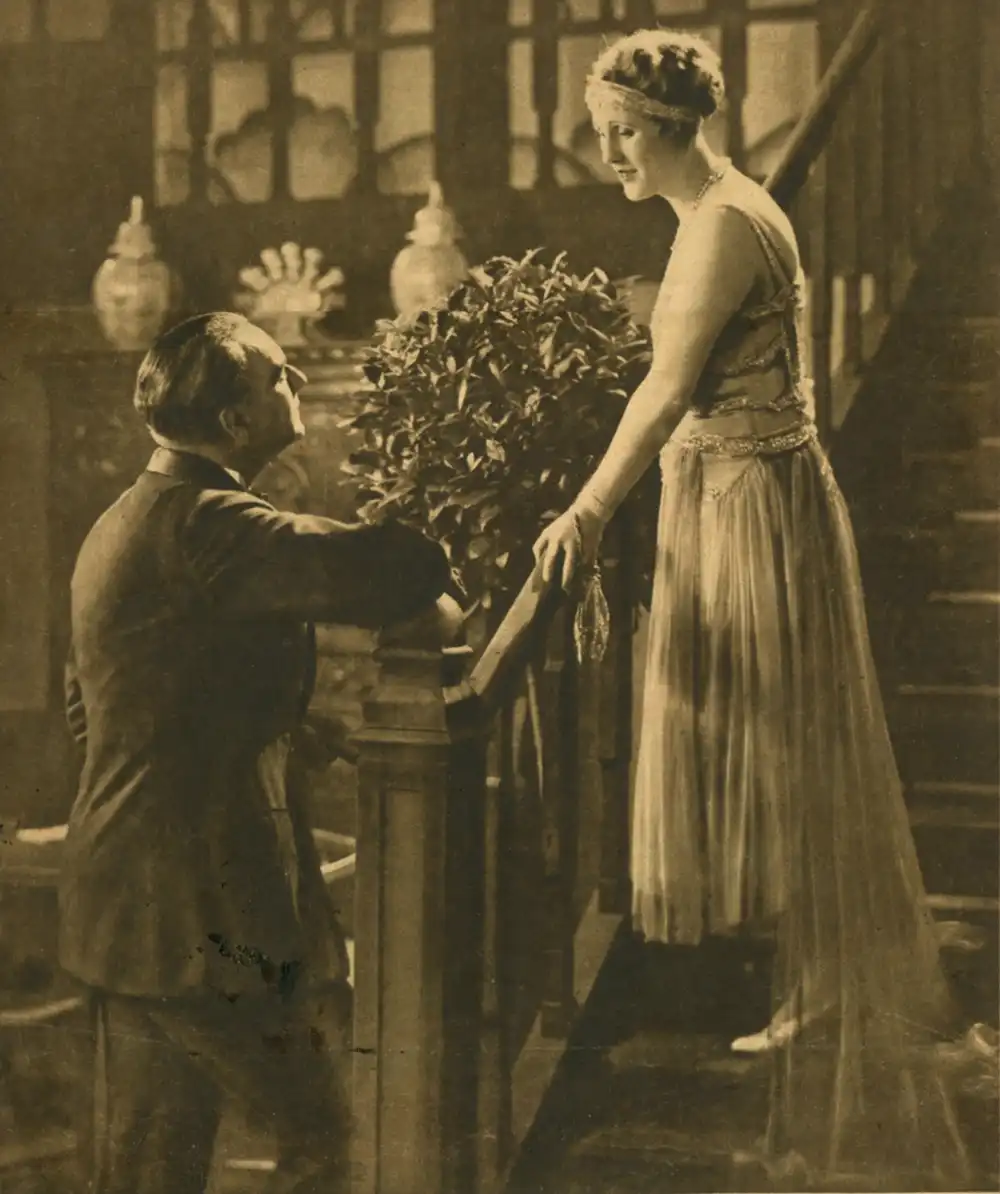
Alright, let’s talk about La vierge folle, a silent film from way back in 1923. Is it worth checking out today? Well, if you’re into old movies, especially French silent cinema, then absolutely, give it a shot. For everyone else, those who need dialogue and a quicker pace, you might find it a tough watch, honestly.
This film is for people who appreciate the raw, over-the-top emotions that silent era actors had to convey without a single spoken word. If you hate anything that feels slow or relies on intertitles, you’ll probably be scrolling away pretty fast. But there’s a certain charm to it, a real historical document feeling. 📜
The story itself is pure melodrama, straight out of a stage play. A young woman, played by Emmy Lynn, falls for this older, married lawyer. Her brother, Maurice Schutz, is *not* having it. He’s intense, to say the least. You can practically see the steam coming off him in certain scenes.
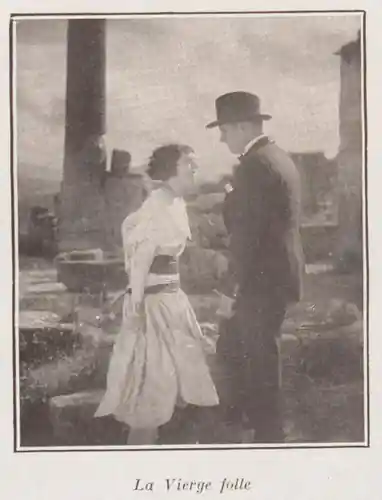
The whole thing kicks off when the couple tries to run off together. And that’s when Schutz’s character, the brother, just loses it. He goes after them, and the film really leans into the idea of a **fateful chase**. It's a pretty simple premise, but they really squeeze all the drama out of it.
What struck me most was how much emotion they could wring out of a close-up. Emmy Lynn, as the girl, has these wide, pleading eyes that just scream distress. You can almost feel her dilemma, even if the acting style is a bit much by today’s standards.
Maurice Schutz, on the other hand, is all about the fury. His stares could melt steel. There's a moment when he’s just standing there, fists clenched, after finding out about his sister. It lingers, almost uncomfortably so, but it really drives home his character’s obsession. It's a bit much, maybe, but it works for the time.
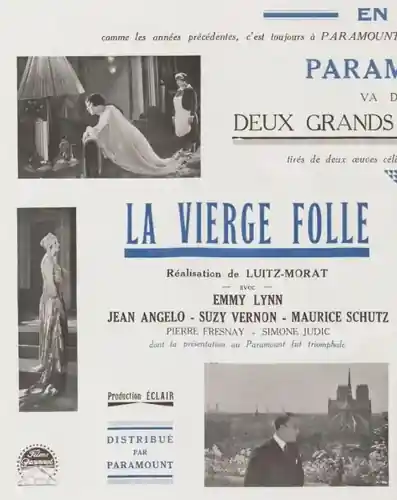
The lawyer, played by Jean Angelo, feels a little less developed. He’s handsome, sure, and has that charming rogue thing going on. But his motivations sometimes seem a touch fuzzy, like the script didn't quite know what to do with him beyond being the catalyst for trouble.
The actual pursuit scenes are interesting because they don't have the kinetic energy you’d expect from a modern film. Instead, it’s all about the *tension* in the faces, the frantic gestures. You see carriages rattling along, then quick cuts to the brother looking determined. It’s less a car chase, more a race against fate.
And the intertitles? They’re everywhere, obviously. Sometimes they’re really poetic, trying to set a mood. Other times, they just state the obvious, which can be a little jarring. It reminds you how much storytelling has changed since then.
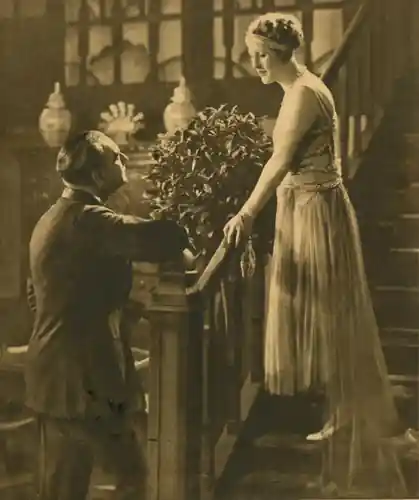
There's a scene near the end, during the tragic payoff, where the expressions are just so *raw*. It’s a very specific kind of grief they’re performing, almost like a tableau. You can tell they're putting everything into it, even if the technique feels old-fashioned.
One small thing I noticed: the way extras move in the background sometimes. They seem to glide rather than walk naturally. It’s a minor detail, but it gives the whole film this dreamlike, almost staged quality, like a moving painting.
The film’s pacing is what you’d expect for the era. It takes its time setting things up, then rushes into the dramatic conclusion. There isn’t much breathing room once the conflict starts, which actually kinda works. It keeps the melodrama flowing.
It’s not a perfect movie, not by a long shot. Some of the emotional beats feel rushed, even with the slower pacing, or maybe they just didn't translate as well to a modern eye. But it has this undeniable power, a directness in its emotional appeal.
La vierge folle is a window into a different time of filmmaking. It's about passion, honor, and tragedy, told in a way that feels very grand and very immediate. A solid pick if you want to see how they used to tell big stories with just faces and gestures. Definitely one for the silent film enthusiasts out there. 👍
IMDb 7.5
1932
Community
Log in to comment.