DbcultAccessing Vault...
6.4/10
Senior Film Conservator
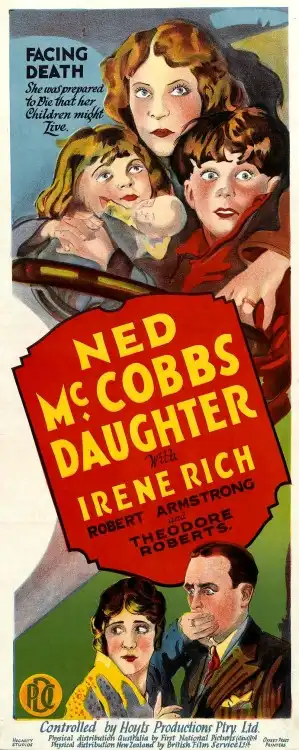
A definitive 6.4/10 rating for a film that redefined the boundaries of cult cinema. Ned McCobb's Daughter remains a cornerstone of transgressive art.
If you are looking for a silent film that feels a bit more dangerous than the usual stagey melodramas, this is definitely worth your time. It is a great pick for fans of early Carole Lombard or anyone who likes a crime story where the hero is actually a bootlegger. People who want a fast-paced modern thriller might find the first half a bit slow, though. 🍎
The movie spends a lot of time in this big, drafty house in Maine. You can almost feel the chill coming off the water through the screen.
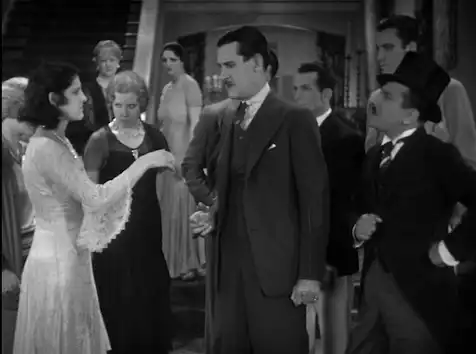
Carole Lombard plays Carrie, and she has this grounded energy that makes the whole restaurant-run-from-home setup feel real. She is the only one actually working while the men around her are busy being various shades of corrupt.
George, her husband, is truly one of the most punchable characters in 1920s cinema. He steals ferry fares to buy jewelry for a waitress named Jennie while his wife is literally scrubbing floors. 😠
The shift from a domestic drama to a murder mystery happens so fast it might give you whiplash. One minute they are talking about fares, and the next, there is a government official dead in the cellar.
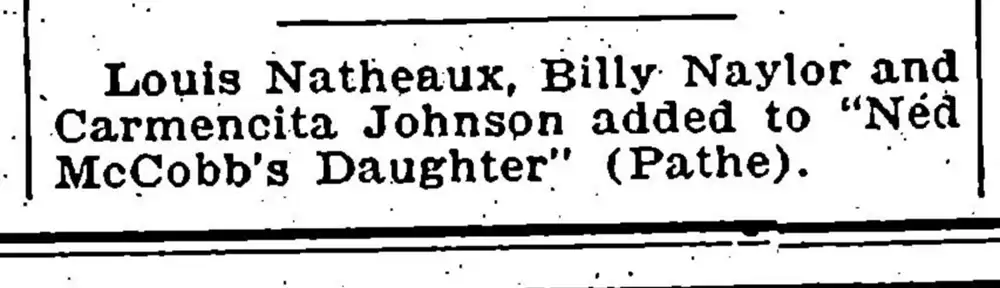
The scene where George hides the body in an apple bin is genuinely creepy. The lighting in the cellar is surprisingly effective at making the space feel claustrophobic and gross.
Robert Armstrong plays the 'bad' brother, Babe, with a lot of charisma. He is a criminal, sure, but he is the only one who actually seems to care when the kids are in danger.
There is a weirdly long shot of the trucks with false bottoms. It feels like the director was really proud of how the prop worked and wanted us to see every single hinge. 🚛
The movie gets much better once the stakes move outside the house. The tension really ramps up when the Prohibition officers start poking around the yard.
I found the chemistry between Carrie and Babe much more interesting than her marriage. You can tell they respect each other's grit, even if they are on opposite sides of the law.
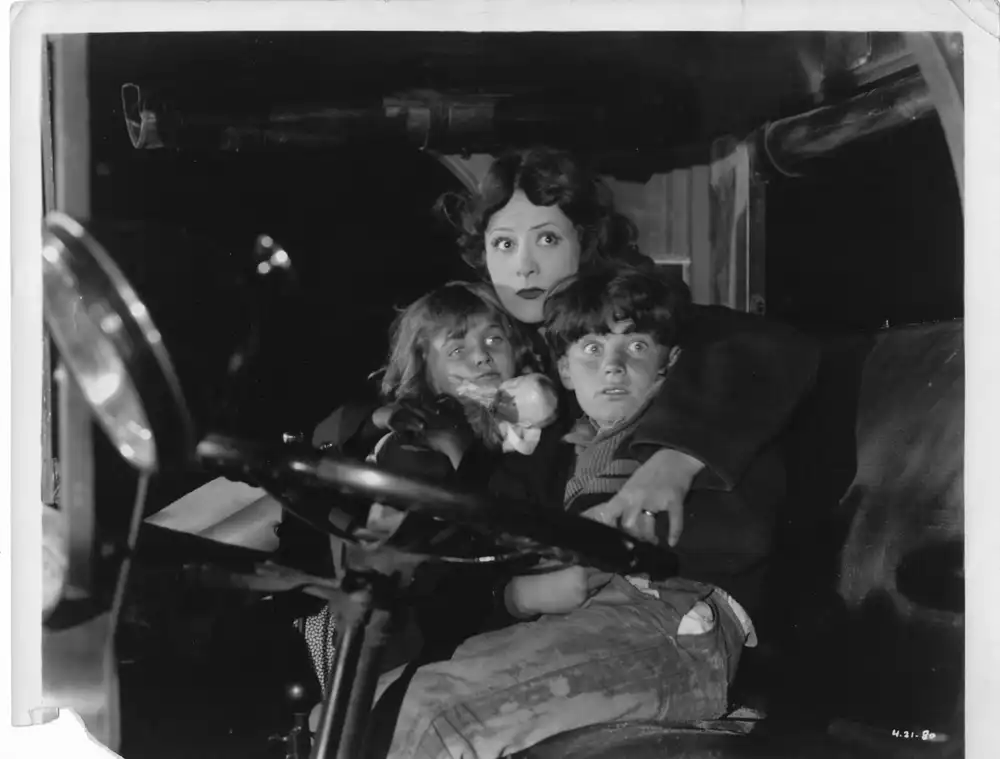
The climax involves a truck chase that is surprisingly intense for 1928. They are flying down these dirt roads, and you can see the dust kicking up in a way that feels very raw.
George using his own children as shields to get past a police blockade is a wild character choice. It makes you really root for his eventual plunge over the cliff. 🌊
The way the car goes over the edge looks a bit like a toy, but the emotional impact is still there. It is a very definitive way to end a villain's arc.
Lombard’s face in the final scenes is what sticks with me. She doesn't overact; she just looks exhausted and relieved, which feels like the most honest reaction possible.
It is not a perfect film, and some of the titles cards are a bit wordy. But as a character study of a woman holding it together while the men ruin everything, it holds up. 🏚️
If you enjoy this kind of high-stakes social tension, you might also want to look at The Climbers. For something with a bit more mystery, Fear Not is another interesting relic from that era.
The ending where Babe promises to return feels a little bit like a sequel hook that never happened. It leaves you wondering what Carrie does with that big house once the dust finally settles.
IMDb 6.6
1935
Community
Log in to comment.