DbcultAccessing Vault...
5.2/10
Senior Film Conservator
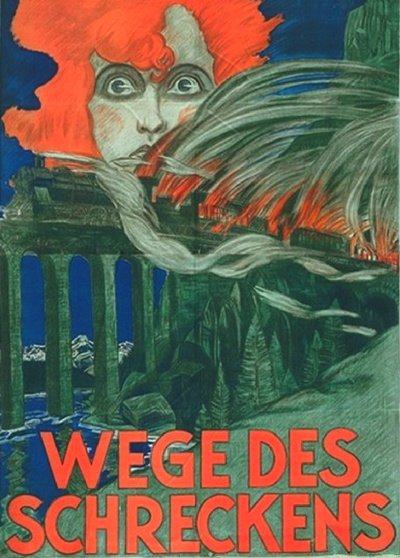
A definitive 5.2/10 rating for a film that redefined the boundaries of cult cinema. Labyrinth of Horror remains a cornerstone of transgressive art.
Few silents dare to steep their aristocrats in such industrial grime. Director Fred Wallace—more poet than showman—paints steel-mill dusk across drawing-room satins, so that every tuxedo lapel carries a faint metallic reek. The titular labyrinth is not a literal catacomb but the social strata themselves: mahogany corridors, stock-exchange catwalks, cabarets that flicker like faulty synapses. Wallace’s camera prowls through smoke as though seeking confessions in the curls of cigarette haze.
Alphons Fryland’s Edward embodies the brittle charm of inherited wealth: his smile arrives a half-second late, suggesting someone who has never been refused except by gravity. Opposite him, Lucy Doraine’s Maud is incandescent in ruin; her cheekbones seem sharpened by every betrayal. When she later sports a cigarette holder long as a conductor’s baton, she wields it like a punctuation mark to every man’s sentence.
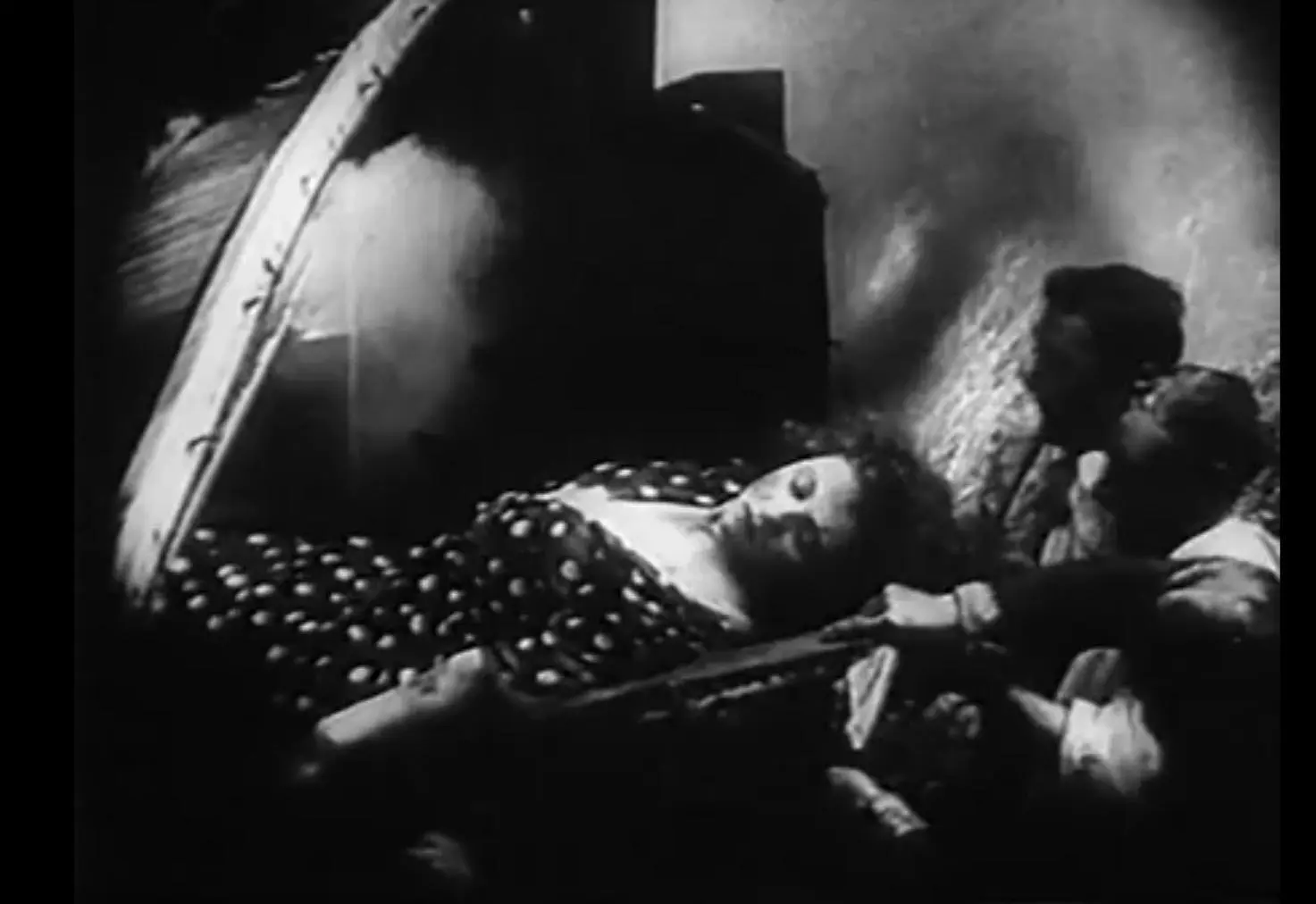
The pivotal crash—rendered through model work, double-exposure, and shards of optically printed debris—feels eerily predictive of later European modernist nightmares. We do not merely witness carnage; we inhabit the locomotive’s dying heartbeat. Metal screams, steam billows across the iris-in, and for a moment the frame itself jitters as though sprockets felt guilt. Wallace intercuts Edward reading a forged letter of infidelity while Maud claws through splintered carriage wood: moral derailment and physical derailment fused by montage.
Post-accident, the film’s tone pivots from melodrama to something closer to decadent fever dream. Maud’s descent into the "easy life” luxuriates in Weimar chic: absinthe cascades into conical glasses, tuxedoed women trade barbs in gender-bending attire, and Paul Askonas’s nightclub maestro slinks across the frame like a human treble clef. Here the intertitles grow sardonic: “Virtue is simply debt unpaid.” Audiences of 1921, still dizzy from wartime rationing, must have felt the sting of that aphorism in their very marrow.
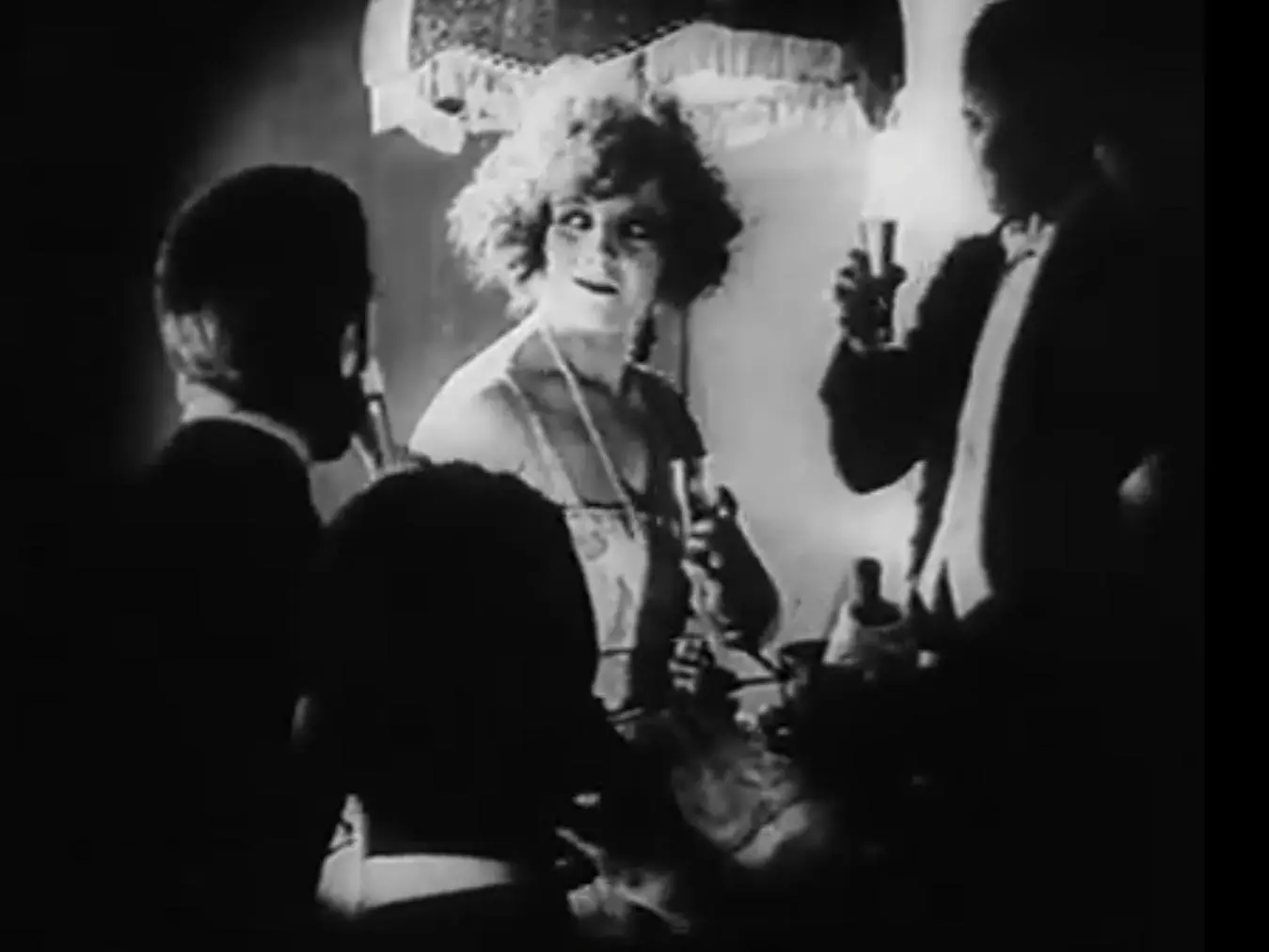
“In Wallace’s universe, redemption is a promissory note forged by cowards and cashed by cynics.”
Fryland’s silent-era technique relies on micro-gesture: a knuckle whitening around a silver cigarette case, the way breath fogs a mirror as he rehearses an apology never delivered. Doraine commands broader strokes—arms flung wide in a cabaret waltz—but the nuance lies in her eyes, which seem to record every indignity like a camera obscura. Jean Ducret, playing the homicidal brother, exudes raffish magnetism; you half-root for him even as the gendarmes’ shadows lengthen. Character actor Mathilde Danegger steals a scene with nothing but a shrug when asked if love conquers all; her shoulders say, “Conquest itself is a masculine myth.”
Devotees of Jealousy will note a similar claustrophobic rectangle of obsession, though Wallace trades that film’s seaside fatalism for urban vertigo. Meanwhile the satirical bite of The Six Best Cellars resurfaces here in the champagne-soaked soirées, proving that social critique can coexist with Grand Guignol thrills. Less congruent but fascinating is the tonal collision with Don Quixote: both pictures ask whether illusion can mend a splintered world, though Wallace’s answer is far more nihilistic.
Cinematographer Max Devrient lenses candlelit ballrooms so that chandeliers resemble constellations of unpaid debts. For the nocturnal streets he switches to low-key lighting that anticipates noir by two decades. The German laboratory’s tinting protocol—amber for interiors, viridian for exteriors, rose for scenes of debauchery—has faded in most prints, yet the surviving 4K restoration breathes prismatic life back into each frame. Pair this with a new score by Anton Kerg (performed by a chamber ensemble) and the experience becomes almost synesthetic.
Shot in late 1920, the film opened amid inflation riots and political assassinations; audiences craved escapism yet recognized their own fractured republic in every betrayed vow. Wallace laces the dialogue with euphemisms about “reparations” that surely drew nervous laughter. Seen today, the narrative’s austerity-vs-hedonism dialectic mirrors post-2008 angst, making Labyrinth of Horror a century-old cautionary tale that refuses to fossilize.
Edward’s suspicion stems partly from gossip sheets hawked on street corners—an early analogue to today’s doom-scroll. Wallace stages a remarkable sequence inside a darkroom where negatives of Maud’s face drip in chemical trays; the image forms and dissolves like trust itself. Under scrutiny, identity becomes a gelatin emulsion: fragile, reversible, easily scratched.
While the surface plot punishes Maud for sexual autonomy, Wallace’s camera complicates the verdict. Her cabaret number, framed from the wings so we see both audience lust and backstage drudgery, indicts the very spectators who paid admission. The film recognizes the marketplace of feminine display, yet refuses to moralize away its allure—a tension still unresolved in contemporary media.
Without spoiling the finale, suffice it to say reunion arrives freighted with compromise. A railroad platform at dawn, two silhouettes sharing a cigarette whose ember winks like a faulty moral compass. Wallace cuts to black before we know who boards, who stays, who vanishes along the track’s silver perspective. That open shutter haunts the viewer more than any closure could.
Prints circulate via European archives; a Blu-ray from Kino Lorber’s “Shadowline” series boasts commentary by historian Gisela Pichler, who unpacks the film’s tax-shelter production trickery. Streamers may find a serviceable rip on public-domain sites, but invest in the restoration: every scratch digitally mended reveals another nuance of Doraine’s performance.
Labyrinth of Horror endures because it refuses to flatter our need for moral simplicity. It proposes that class is the original haunted house, that love can survive only by cannibalizing itself, and that every ticket stamped with desire may lead us straight off the rails. Watch it once for historical curiosity; revisit it whenever the world feels too certain of its own rectitude. The film will greet you with a smirk, offer a drink, and whisper that the next train is always on time—whether or not you care to board.
IMDb —
1916
Community
Log in to comment.