DbcultAccessing Vault...
5/10
Senior Film Conservator
A definitive 5/10 rating for a film that redefined the boundaries of cult cinema. Young Ideas remains a cornerstone of transgressive art.
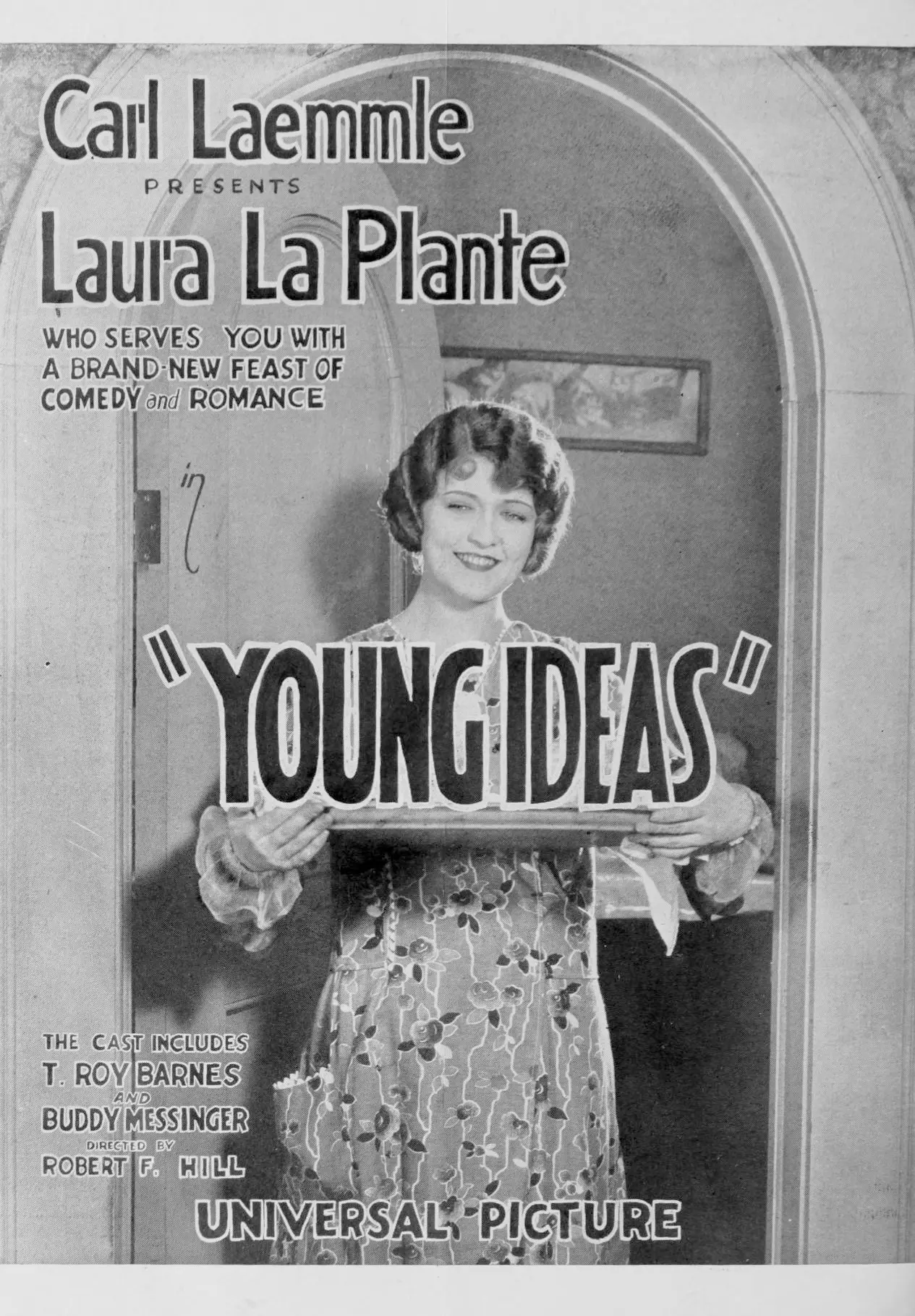
In the realm of silent cinema, 'Young Ideas' (1925) emerges as a fascinating study of the human condition, deftly weaving a narrative that probes the complexities of familial relationships, romantic longing, and the machinations of deception. Directed by an uncredited filmmaker and penned by Sophie Kerr and Hugh Hoffman, this film presents a unique blend of comedy and pathos, set against the backdrop of a seemingly ordinary family.
The story centers around Octavia Lowden, portrayed with remarkable aplomb by Laura La Plante, the mainstay of a household fraught with illness and ineffectuality. Her Aunt Minnie, played by Lydia Yeamans Titus, is convinced of her impending demise, while her younger sister Eloise, embodied by Lucille Ricksen, exhibits a disposition that can only be described as peculiar. The family also includes Uncle Eph, played by James O. Barrows, who fought alongside General Grant at Appomattox, and Bob, a youthful sibling with an affinity for sleep and mischief, portrayed by Buddy Messinger. The only semblance of normalcy in this household is Grandma, played by Jennie Lee, whose spirited nature is tempered by her confinement to a chair.
Octavia's professional life is intertwined with her family's needs, as she works as a photographer in Pritchett Spence's gallery. Spence, portrayed by T. Roy Barnes, harbors a deep affection for Octavia, which, however, remains unrequited due to her preoccupation with her family's well-being. The tragicomic situation of Octavia's family, with their array of ailments and eccentricities, serves as a fertile ground for Spence's romantic overtures, albeit ones that are tinged with a manipulative intent.
Spence's plan to extricate Octavia from her domestic entanglements involves a ruse of considerable audacity. He orchestrates an out-of-town assignment for her and, in a clever move, enlists a doctor friend to quarantine the house. The ensuing isolation prompts Octavia to worry about her family's well-being, unbeknownst to her that they are, with the exception of Grandma, gainfully employed and facing the realization that work is a prerequisite to sustenance. This ingenious plot twist lays bare the dynamics of deception and the lengths to which individuals will go to achieve their objectives.
As the narrative unfolds, Spence's machinations are confronted with a series of unforeseen consequences. A skunk's intervention leads to the liberation of the 'imprisoned' family members, and Octavia returns home to a scene of domestic role-reversal, with her family members donning aprons and overalls. This turn of events precipitates a poignant moment of reckoning for Spence, who, having sought forgiveness for his 'trick,' is instead met with an extraordinary punishment - a life sentence with Octavia.
The film's exploration of love, deception, and redemption offers a nuanced perspective on the human experience. Through its characters, 'Young Ideas' posits that the intricacies of human relationships are often fraught with challenges, necessitating creative solutions and a deep understanding of the complexities that govern human interactions.
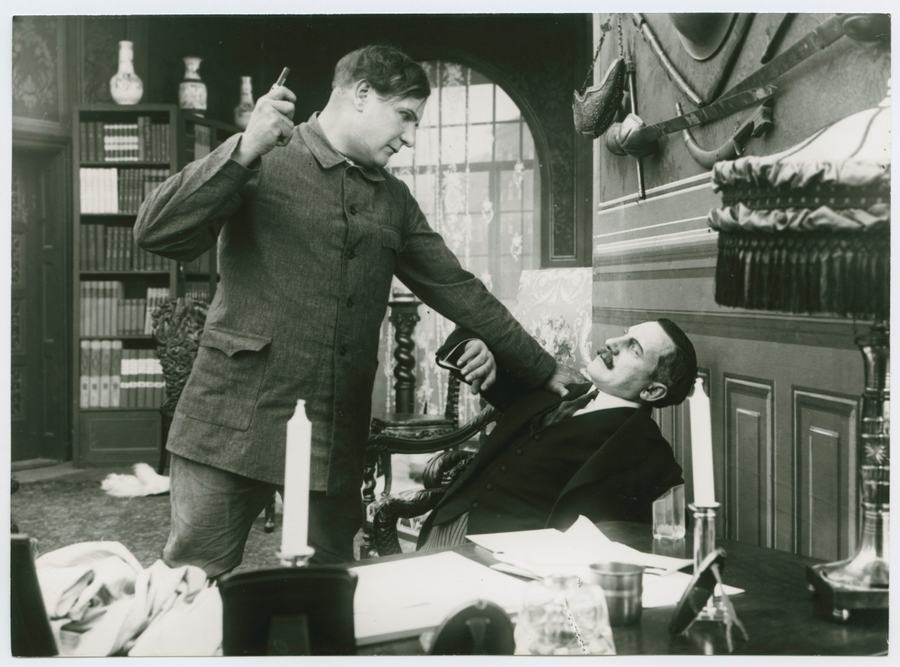
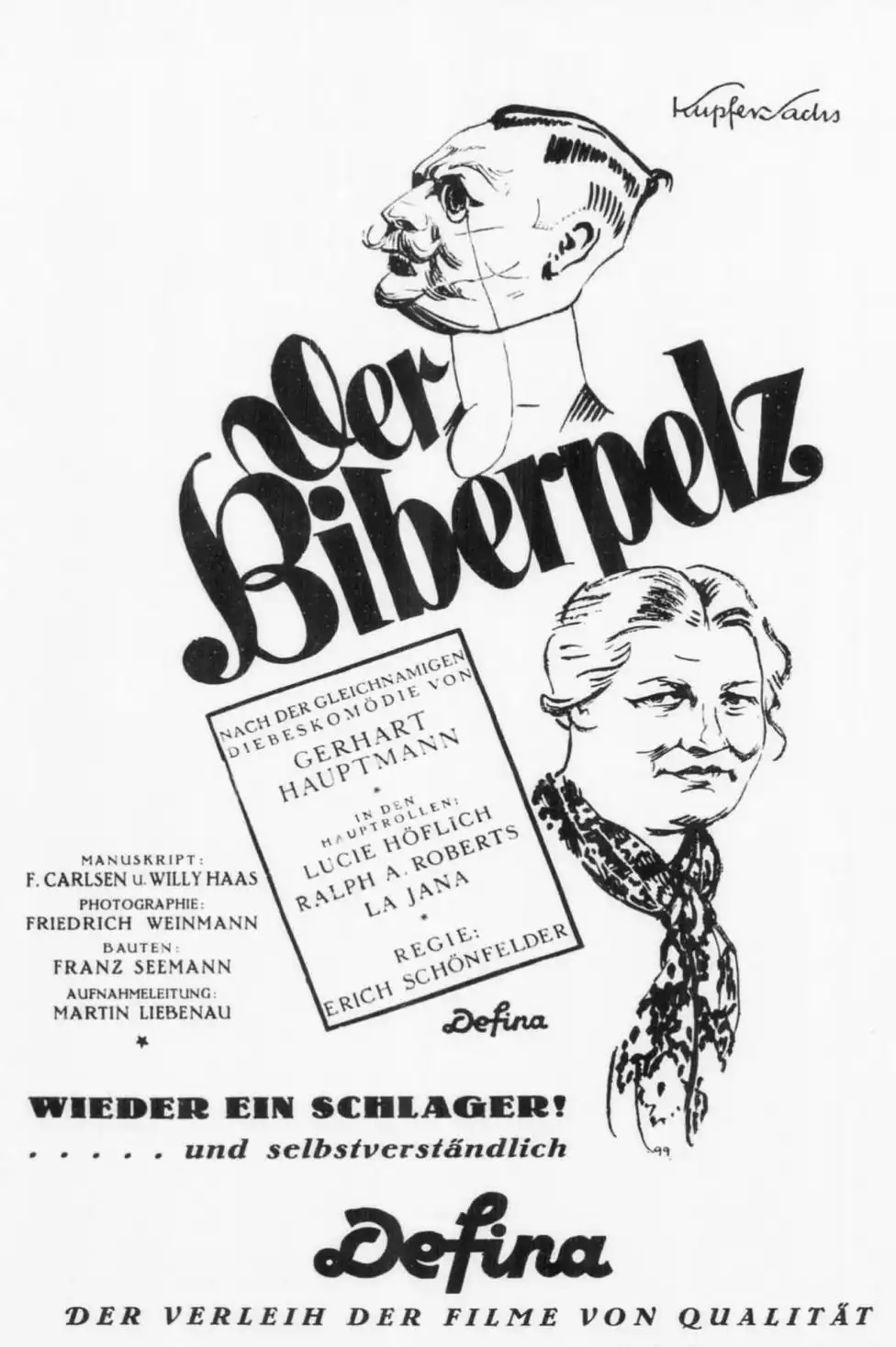
In comparison to its contemporaries, such as The Firefly and The Old Fool, 'Young Ideas' distinguishes itself through its unique narrative and character-driven approach. While films like Die Verführten and The Book Agent explore themes of deception and relationships, 'Young Ideas' does so with a distinctive tone that blends comedy and pathos.
The performances in 'Young Ideas' are noteworthy, with Laura La Plante delivering a tour-de-force performance as Octavia. The supporting cast, including T. Roy Barnes and Lydia Yeamans Titus, add depth and complexity to the narrative, creating a rich tapestry of characters that drive the plot forward.
In conclusion, 'Young Ideas' is a captivating film that offers a thought-provoking exploration of love, deception, and redemption. Through its intricate plot and well-developed characters, the film provides a unique perspective on the human condition, making it a must-see for fans of silent cinema.
IMDb —
1924
Community
Log in to comment.