DbcultAccessing Vault...
6/10
Senior Film Conservator
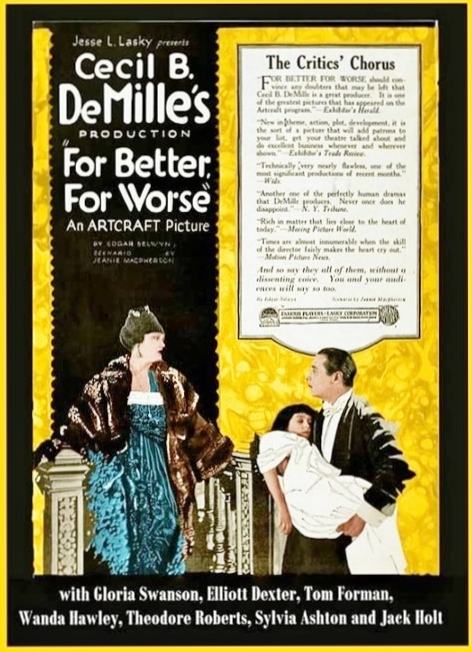
A definitive 6/10 rating for a film that redefined the boundaries of cult cinema. For Better, for Worse remains a cornerstone of transgressive art.
The flickering shadows of early cinema often served as a canvas for grand narratives, tales that, despite their silent presentation, spoke volumes about the human condition. Among these, For Better, for Worse emerges as a particularly poignant and morally intricate melodrama, a film that, even a century later, compels us to ponder the true nature of heroism, the shifting sands of love, and the profound weight of personal sacrifice. Directed by William C. de Mille, with a screenplay by Jeanie Macpherson and Edgar Selwyn, this cinematic endeavor transcends mere romantic entanglement to delve into the very soul of its characters, exposing the fissures between perceived valor and genuine compassion. It is a testament to the power of storytelling that such a complex ethical quandary could be so eloquently articulated without a single spoken word, relying instead on the nuanced performances of its stellar cast and the evocative visual language of the era.
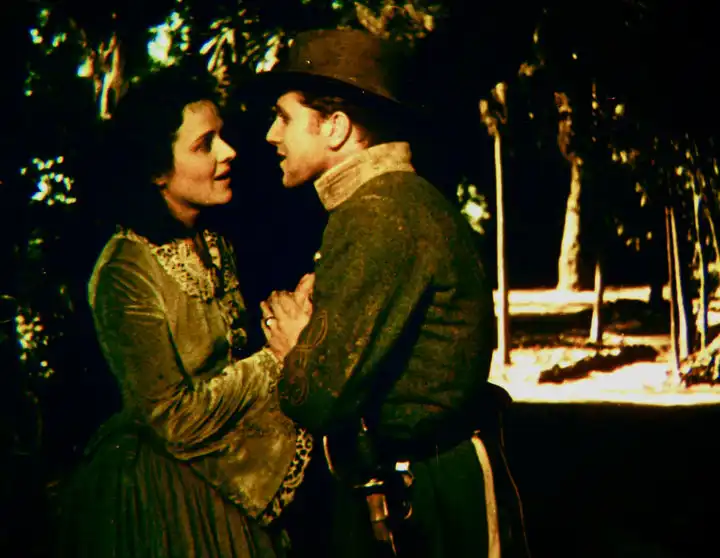
At its heart, For Better, for Worse presents a triangular emotional entanglement, a classic setup that quickly spirals into a profound moral dilemma. We are introduced to Dr. Edward Meade, portrayed with understated gravity by Elliott Dexter, a man whose medical prowess is matched only by his deep-seated empathy. His rival for the affections of the beautiful Sylvia Norcross, brought to life with captivating intensity by Gloria Swanson, is Richard Burton, played by the robust Jack Holt. Both men are poised to answer the call of war, a patriotic fervor sweeping the nation. However, Meade makes a choice that deviates sharply from the expected path of wartime heroism: he elects to remain behind, not out of cowardice, but to dedicate his surgical skills to the harrowing task of caring for children disfigured by the war. This decision, born of a quiet, profound sense of duty to the most vulnerable, is tragically misconstrued by Sylvia. In her eyes, and perhaps in the eyes of a society that valorized battlefield glory above all else, Meade’s choice appears as a profound failing, a lack of courage that pales in comparison to Burton’s overt willingness to face the enemy.

This initial divergence sets the stage for a narrative steeped in irony and the bitter taste of misunderstanding. Sylvia, swayed by the prevailing societal narrative of heroism and perhaps by a romanticized ideal of wartime sacrifice, marries Burton. Her choice, while seemingly understandable within the context of the period's expectations, underscores the film's central critique: the often-simplistic binary through which courage is judged. Is true bravery found only on the front lines, or does it reside in the quiet, arduous work of healing and rebuilding? Meade's selflessness, though less outwardly dramatic, is arguably the more profound act of sacrifice, a long-term commitment to alleviate suffering rather than inflict it. This foundational premise imbues the film with an intellectual weight that elevates it beyond a mere love story, transforming it into a meditation on the multifaceted nature of human virtue. The writers, Jeanie Macpherson, William C. de Mille, and Edgar Selwyn, meticulously craft this moral quandary, ensuring that no character is entirely without justification, yet none are entirely blameless in the unfolding tragedy.
The narrative takes its first agonizing turn when news arrives of Burton's presumed death in action. This development, while devastating, paradoxically opens a new chapter for Sylvia and Meade. In the shared crucible of grief and the quiet passage of time, their paths converge once more. Sylvia, having endured the initial shock and sorrow, begins to see Meade's character in a new light, understanding the depth of his earlier sacrifice. The societal pressures that once clouded her judgment begin to recede, allowing a genuine connection to blossom between them. Their decision to wed, born out of a renewed understanding and a shared history, represents a fragile hope, a chance for redemption and true companionship after the ravages of war and personal misjudgment. The film skillfully portrays the delicate dance of their rekindled romance, emphasizing the quiet strength and unwavering devotion that Meade had always harbored for Sylvia.

Just as this hard-won peace seems within reach, the film delivers its most devastating blow: Burton returns. But this is not the triumphant return of a hero. Instead, he is a ghost, both physically and emotionally scarred, a living testament to the brutal realities of war. His maimed body and haunted eyes are a stark contrast to the dashing figure Sylvia once married. This unexpected resurrection plunges all three characters into an unbearable moral abyss. Sylvia is torn between her solemn vows to a man she believed lost and her burgeoning love for Meade, whose steadfastness has proven to be the bedrock of her emotional world. Meade, in turn, faces the agonizing prospect of losing the woman he loves, not to a rival, but to a man who has endured unimaginable suffering. Burton's return, far from being a joyous event, is a catalyst for profound anguish, forcing each character to confront the limits of their love, loyalty, and capacity for sacrifice. The film masterfully exploits the dramatic tension inherent in this impossible situation, leaving the audience to grapple with questions of duty, compassion, and the true cost of moral obligation.
The success of For Better, for Worse hinges critically on the performances of its lead actors, who, without the benefit of dialogue, must convey a torrent of complex emotions through gesture, facial expression, and body language. Gloria Swanson, a titan of the silent screen, delivers a performance of remarkable depth as Sylvia Norcross. Her initial portrayal of a woman swayed by conventional notions of heroism is nuanced, allowing the audience to understand, if not entirely agree with, her choices. As the narrative progresses, Swanson's Sylvia undergoes a profound transformation. Her grief, her slow awakening to Meade's true character, and her subsequent torment upon Burton's return are conveyed with an intensity that is both heartbreaking and utterly convincing. She doesn't just emote; she embodies Sylvia's internal struggle, making her a sympathetic figure despite her initial misjudgment.
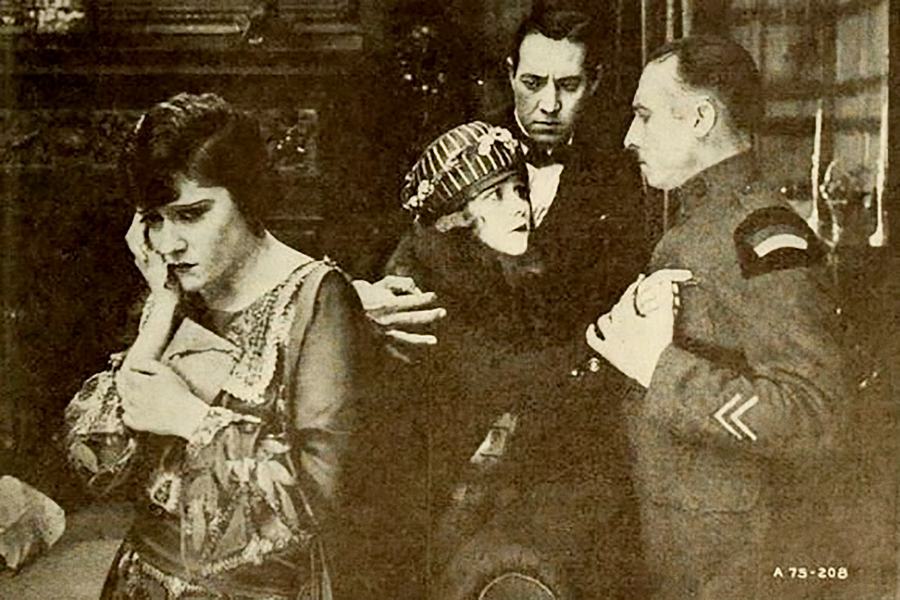
Elliott Dexter's portrayal of Dr. Edward Meade is equally compelling. Dexter imbues Meade with a quiet dignity and an unwavering moral compass. His heroism is not the flamboyant kind, but a deep, abiding commitment to healing and compassion. Dexter's subtle expressions convey Meade's love, his disappointment, and his eventual anguish with a profound sincerity that resonates long after the credits roll. He is the film's moral anchor, a man whose choices, though initially misunderstood, are ultimately vindicated by their inherent goodness. His performance is a masterclass in restrained emotion, allowing the audience to feel the weight of his sacrifice and the purity of his intentions.
Jack Holt, as Richard Burton, faces perhaps the most challenging role. He must first portray the charismatic, seemingly heroic figure who captures Sylvia's heart, and then, upon his return, transform into a shattered, embittered shell of his former self. Holt rises to this challenge magnificently, conveying the physical and psychological toll of war with harrowing realism. His scarred visage and haunted demeanor are not merely superficial; they are windows into a soul ravaged by unimaginable suffering. The audience is forced to confront the tragedy of his transformation, making his presence a source of profound discomfort and pity, rather than simple villainy. The ensemble work, under William C. de Mille's direction, ensures that each performance contributes to the film's powerful emotional tapestry, creating a truly unforgettable cinematic experience.
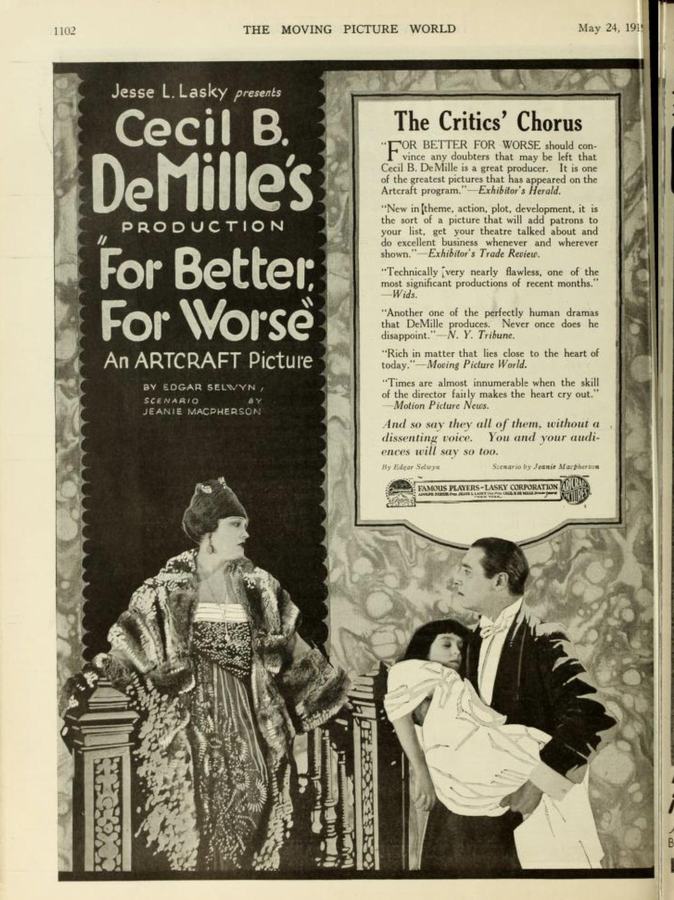
William C. de Mille, a name often overshadowed by his more famous brother Cecil, proves his own directorial prowess in For Better, for Worse. His direction is marked by a keen understanding of visual storytelling, a necessity in the silent era. He employs a thoughtful use of framing, often positioning characters to emphasize their emotional distance or connection. Close-ups are utilized strategically to capture the nuances of the actors' facial expressions, allowing the audience to intimately connect with their inner turmoil. The pacing of the film is deliberate, allowing the emotional beats to register fully, building tension gradually towards the inevitable confrontation. De Mille avoids overly theatrical gestures, opting instead for a more naturalistic approach that grounds the melodrama in a believable reality.
The cinematography, while perhaps not groundbreaking for its era, effectively serves the narrative. The use of light and shadow, though rudimentary by today's standards, is employed to heighten dramatic effect, particularly in scenes involving Burton's return, where his scarred appearance is often emphasized by stark contrasts. The sets and costumes, while reflective of the period, are not overly ostentatious, allowing the focus to remain firmly on the characters and their moral struggles. The intertitles, crucial in silent films, are crafted with precision, delivering necessary exposition and emotional commentary without disrupting the flow of the visual narrative. They are succinct yet impactful, guiding the audience through the complex emotional landscape of the story. This meticulous attention to detail in all aspects of production ensures that the film remains a cohesive and deeply affecting work, a testament to the collaborative artistry of silent cinema.
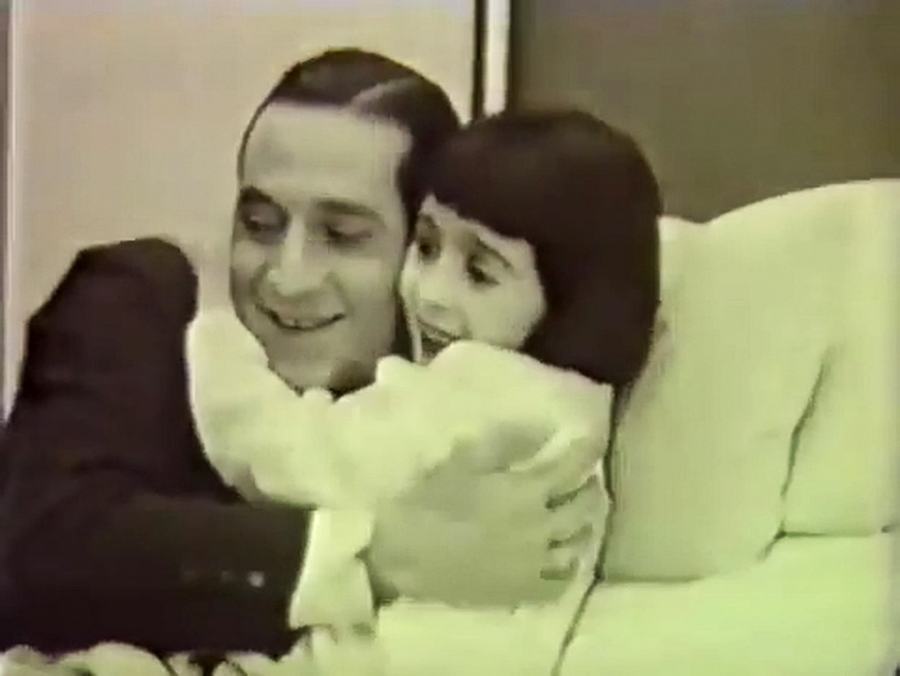
What makes For Better, for Worse resonate even today is its timeless exploration of ethical dilemmas and the multifaceted nature of human experience. The film challenges simplistic definitions of heroism and cowardice, forcing us to consider the profound implications of our choices and the often-unforeseen consequences that ripple through lives. It speaks to the enduring question of what constitutes true love and loyalty when faced with impossible circumstances. The raw emotional honesty of the narrative transcends its historical context, making its themes universally relatable. The post-war setting, while specific to its time, provides a powerful backdrop for examining the psychological scars that conflict leaves behind, not just on soldiers, but on entire societies and the personal relationships within them.
In its depiction of sacrifice, both overt and understated, For Better, for Worse finds thematic kinship with other films of its era that grappled with the difficult choices forced upon individuals. For instance, the theme of personal sacrifice for the welfare of children, as exemplified by Dr. Meade, finds a parallel in films like The Children Pay, which also explored the profound impact of adult decisions on the youngest and most vulnerable members of society. Similarly, the complexities of romantic entanglements and the social pressures surrounding marriage and fidelity are themes beautifully explored in films such as His Sweetheart and Hearts and Flowers, though perhaps without the same stark, war-induced moral quandary. These comparisons highlight For Better, for Worse's place within a rich tradition of early cinema that sought to plumb the depths of human emotion and societal expectation.
Ultimately, For Better, for Worse is more than just a historical artifact; it is a compelling piece of cinematic art that continues to provoke thought and stir the emotions. Its powerful performances, intricate narrative, and profound thematic depth solidify its position as a significant contribution to silent cinema. It reminds us that the greatest battles are often fought not on battlefields, but within the confines of the human heart, where love, duty, and sacrifice collide in an agonizing dance of conscience and consequence. For anyone seeking a film that challenges easy answers and delves into the true complexities of the human spirit, this silent masterpiece remains an essential viewing experience.

IMDb —
1925
Community
Log in to comment.